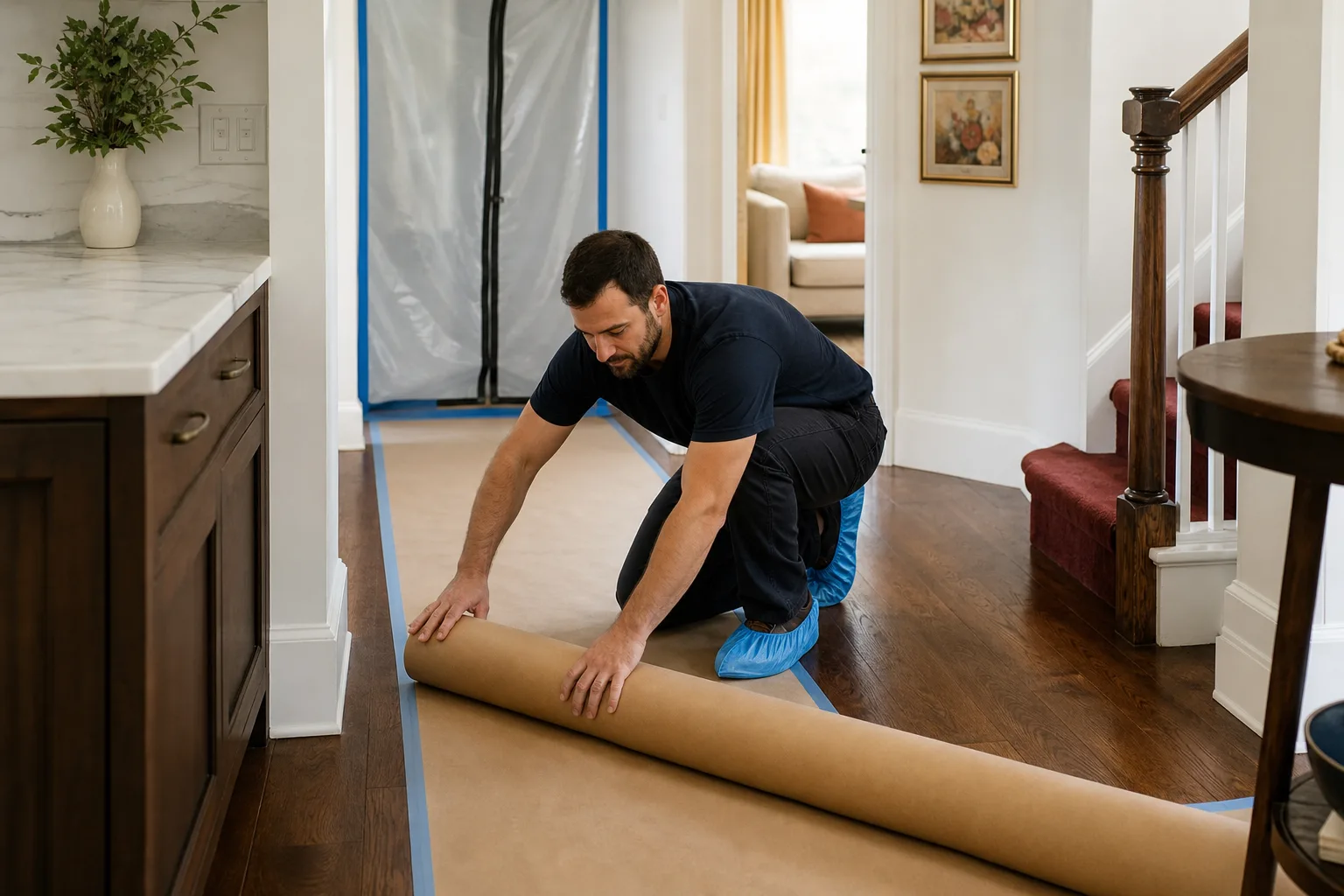
Last updated November 18, 2026



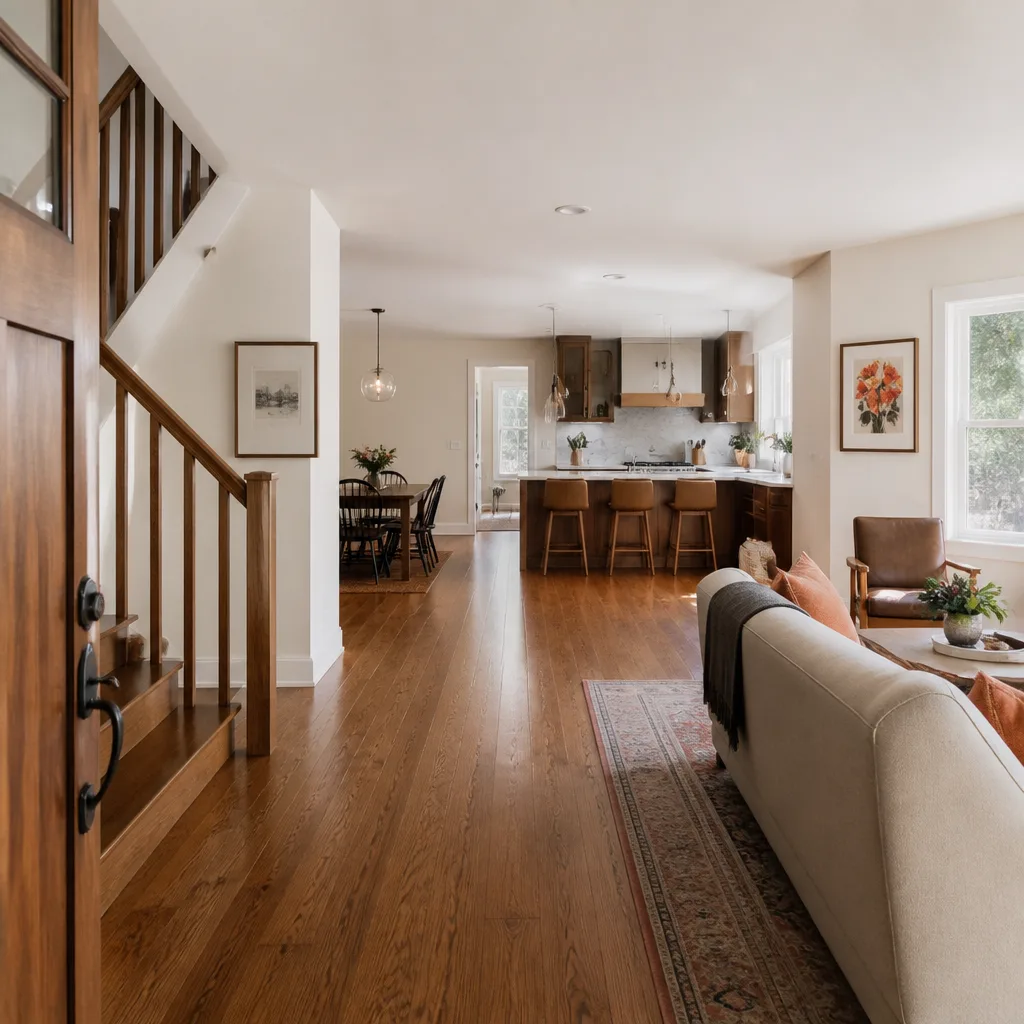




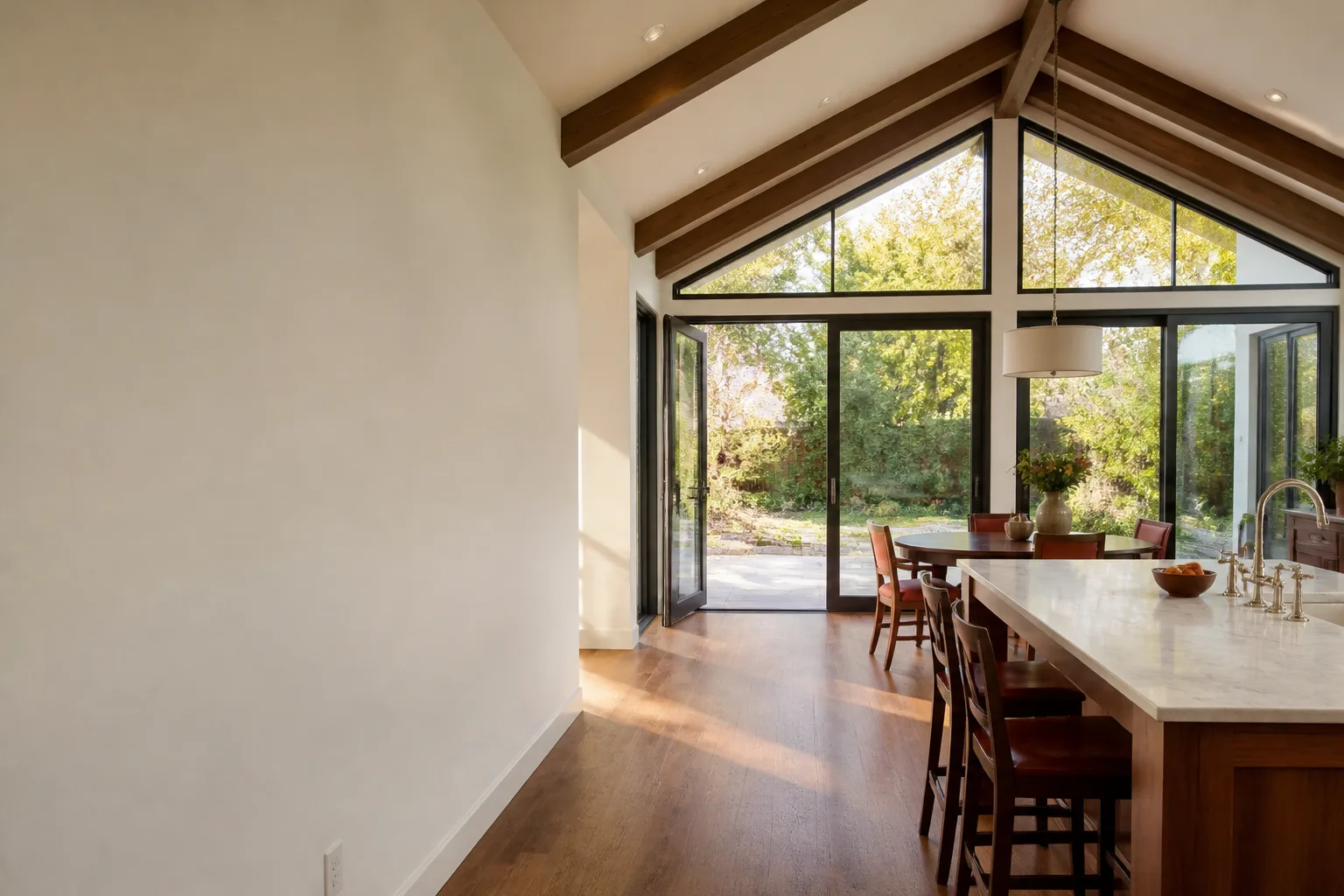
Free written scope consultation - allowances, timeline, and change-order rules on paper before a single trade is scheduled
DIY vs Professional General Contractor: What’s Safe to Do Yourself
Nevada law lets a homeowner pull an owner-builder permit and do their own work. That’s a real right, and plenty of Boulder City homeowners have used it to finish a bathroom or redo a kitchen on their own schedule. But here’s the part nobody mentions at the permit counter: the moment you sell the house, that owner-builder history becomes a disclosure item. Buyers’ inspectors pull permit records, and a self-performed electrical run or an unpermitted shower pan shows up on a report years later. This guide draws the line clearly – which parts of a renovation are legally yours to do in Nevada, which parts void your permit if you touch them, and where DIY genuinely saves money versus where it costs you double after corrections. You’ll also see how a Boulder City general contractor can split a project so you keep the savings on the parts that are actually yours to keep.
Quick Answer
In Nevada, a homeowner can legally self-perform demolition, painting, finish carpentry, flooring, and landscaping under an owner-builder permit, but any work tied to a licensed trade – electrical, plumbing, gas, and most structural changes – requires a licensed contractor or it won’t pass inspection and can void your permit. The safe DIY tasks are prep, demo, cleanup, and cosmetic finishes; the unsafe and non-compliant tasks are anything that carries current, carries water, or holds up a wall.
Styles & brands we work with
- Kitchen remodeling
- Bathroom remodeling
- Home additions & ADU
- Roofing
- Windows & doors
- Driveway & pavers
- Fence
Table of Contents
- What Nevada’s owner-builder permit actually lets you do
- Which demo, painting, and finish tasks are genuinely DIY-friendly
- The “easy” tasks that hide licensed-work requirements
- How DIY plumbing and electrical mistakes cause insurance claim denials
- The honest cost comparison: where DIY saves and where it costs more
- How to split a project with a contractor – and what that contract looks like
- Boulder City-specific realities: climate, permits, and resale history
- Common mistakes to avoid
What Nevada’s Owner-Builder Permit Actually Lets You Do
Nevada’s owner-builder exemption exists so a homeowner can build or remodel a home they intend to live in. You file for the permit yourself, you sign an affidavit that you’re doing the work for your own use, and you take on the role of general contractor for that scope. That last part matters.
When you sign as owner-builder, you’re not just doing the work – you’re responsible for the inspections, the sequencing, and the compliance of every subcontractor you hire. If you bring in an electrician and their work fails inspection, that’s your inspection failure, not theirs. The permit holder carries the risk.
Here’s what the owner-builder path realistically covers:
- Demolition and haul-away – pulling cabinets, tearing out tile, removing old fixtures
- Painting and drywall finishing – interior walls and ceilings
- Finish carpentry – trim, baseboards, simple shelving, cabinet hardware
- Flooring installation – tile, luxury vinyl plank, and engineered hardwood on a prepared substrate
- Landscaping and hardscape – pavers, planting, irrigation lines (but not main-line plumbing)
What it doesn’t cover, no matter how confident you are:
- Electrical work beyond swapping a fixture – new circuits, panel changes, and any rough-in are licensed electrician work
- Plumbing beyond a faucet swap – moving a drain, rerouting a supply line, or installing a shower valve is licensed plumber work
- Gas line work – water heaters, ranges, and fireplaces require a licensed gas fitter and a pressure test
- Structural changes – removing a wall, cutting a beam, or altering the load path requires engineered plans and a licensed contractor
Boulder City sits under Clark County permitting, and the county’s online permit portal makes it easy to pull an owner-builder permit for the tasks above. It’s also easy for a future buyer’s inspector to see exactly what was permitted and what wasn’t. If you’re weighing the full picture, our general contractor in Boulder City page explains how a licensed GC handles the permit-inspection sequence so nothing lapses.
Which Demo, Painting, and Finish Tasks Are Genuinely DIY-Friendly
The best DIY money is on the front end of a project and the back end of it. Demo is honest work that saves real labor cost, and finishes are where a careful homeowner can match a professional’s result given enough patience.
Here’s how we’d rank the tasks by real-world feasibility, with Boulder City’s climate in mind:
- Cabinet and countertop demo. Under $1,000 in labor savings on a typical kitchen, and it teaches you what’s behind the wall before anyone bids the rebuild.
- Tile and flooring tear-out. Same logic. Every hour of demo is an hour you don’t pay a crew for.
- Interior painting. A 12×14 room costs $250 – $600 to have painted in the Boulder City market. Doing it yourself saves most of that. The catch is the desert heat – interior paint in Boulder City dries faster in summer, so cut your wall sections smaller than you would in April.
- Cabinet hardware and faucet swaps. Allen wrench work, honestly. Just shut off the supply lines first.
- Baseboards, trim, and shelving. A brad nailer, a miter saw, and a level cover most of it. Saves $300 – $800 on a room.
- Cleanup and haul-away. The most underrated DIY task on the list. A dumpster rental in Boulder City runs $350 – $600 depending on size, and you keep the crew time on the front end.
Where it gets dicier: anything involving cutting into existing finishes where you don’t know what’s behind them. Knob-and-tube wiring, an unvented dryer duct, or a shower pan that wasn’t sloped correctly are all things a homeowner can uncover during demo and none of them are things you want to discover with a sledgehammer in hand. Stop, take pictures, and call a pro before you go further.
The “Easy” Tasks That Hide Licensed-Work Requirements
This is where the DIY math gets dangerous. Some tasks look like finish work but legally count as licensed trade work in Nevada.
- Replacing a bathroom vanity. Looks like furniture. The moment you disconnect supply or drain lines and add a new trap, you’re doing plumbing. Most jurisdictions, including Clark County, treat the rough-in as licensed work even on a vanity swap in a permitted remodel.
- Swapping a light fixture for a ceiling fan. If the existing box isn’t fan-rated, you need an electrician to install a proper brace and box. A fan that falls onto a bed – or onto a person – is exactly the kind of thing the inspector is looking for.
- Wiring under-cabinet lights. Low-voltage LED strips plugged into an outlet are fine. Hard-wired into a switch leg are electrical work and require a permitted connection.
- Installing a shower niche or moving the shower valve. Any change to the wet-wall plumbing requires a rough-in inspection before the substrate (the cement board layer behind your tile) goes up. Skip the inspection and the whole bathroom can fail at final.
- Moving a dryer vent or a range hood duct. Ducting changes fall under mechanical permits in Clark County. Easy to do wrong, hard to fix later.
- Tiling a shower yourself. Legal to do under owner-builder, but the waterproofing behind the tile is where 90% of failures come from. We see cracked grout and efflorescence in Boulder City bathrooms every spring because the pan wasn’t sloped to the drain correctly.
None of this is a knock on homeowners. It’s the code doing its job – the trades are separated because each one carries a distinct risk. If your permit application lists a scope of work, that scope is the legal boundary. Cross it and the inspection fails, which means you rebuild the piece that failed. The finished material cost alone usually erases the labor you saved.
How DIY Plumbing and Electrical Mistakes Cause Insurance Claim Denials
This is the part that rarely shows up in DIY forums, and it’s the one that should give you real pause. A homeowner’s insurance policy usually covers “sudden and accidental” discharge of water – a burst pipe, a failed supply line. It generally does not cover long-term seepage or work that wasn’t done to code, and the moment your insurer’s adjuster traces the loss to unpermitted or non-compliant work, the claim can be denied or reduced.
Concrete scenarios we’ve seen or heard about in the Boulder City area:
- A homeowner installs a new shower valve without a permit. The valve leaks slowly inside the wall for eight months. The drywall, the framing, and the adjacent bedroom carpet all rot. Insurer investigates, finds unpermitted plumbing, and the claim is contested.
- A DIY electrical junction behind new drywall overheats over a summer. The fire damage to the kitchen is real. The insurer finds no permit for the circuit work and pulls coverage of the contractor-repair portion.
- A homeowner routes a new drain line under a slab and it cracks at the joint. The water damage claim is complicated by the fact that the plumbing was never inspected.
Even the ones that get covered usually come with a premium bump at renewal. The premiums alone over ten years often exceed what hiring a licensed plumber or electrician would have cost up front. This is a case where the “do it yourself and save” math ignores the tail risk entirely. If you’re remodeling a bathroom, our bathroom remodeling in Boulder City page walks through what the licensed scope actually looks like so you can decide where to draw the line.
The Honest Cost Comparison: Where DIY Saves and Where It Costs More
We’ve run both kinds of projects – the fully licensed ones and the ones where a homeowner did their own demo and finishes. Here’s the comparison drawn honestly, using Boulder City-area numbers.
- Kitchen gut to studs, DIY demo: Saves $800 – $1,800 in labor. Genuine savings if you’re careful with the tear-out.
- Bathroom tear-out, DIY demo: Saves $400 – $900. Same story.
- Interior painting, DIY: Saves $1,200 – $2,400 on a full-home repaint. Real savings if you have the time.
- Tile floor, DIY on a flat slab: Saves $1,800 – $3,500 in labor. Genuine if your slab is flat, but Boulder City has plenty of older homes where the slab isn’t level – prep work eats the savings fast.
- Tile shower, DIY: Looks like it saves $2,500 – $4,000. The correction cost after a failed pan or a failed inspection runs $3,000 – $6,000. Net loss.
- Owner-performed plumbing rough-in: Saves maybe $1,200 on paper. One water-damage claim or one insurance complication erases it many times over.
- Owner-performed electrical rough-in: Saves $900 – $2,000 up front. Any fire or failed inspection erases it entirely and then some.
- Removing a load-bearing wall: Never DIY. The structural consequences can run into five figures and no insurer covers the engineered correction.
On a $30,000 kitchen remodel – a reasonable midrange budget in Boulder City for a modest layout with KraftMaid cabinetry and a Silestone countertop – the DIY-able portion of the work (demo, painting, hardware) typically saves 8 – 15%. That’s $2,400 – $4,500 real dollars. It’s not nothing. But it’s the headroom that needs a genuinely careful homeowner, not a story worth telling about a weekend project that ballooned into six weeks.
If you’re weighing a full kitchen, our kitchen remodeling in Boulder City page lays out where the licensed budget honestly goes.
How to Split a Project With a Contractor – and What That Contract Looks Like
There’s a legitimate middle path here, and it’s the one we’ve seen work for Boulder City homeowners who want both savings and a clean permit history. You handle a defined scope, the general contractor handles the licensed and structural scope, and your contract spells out exactly who owns what.
A split-scope contract should cover:
- A written scope of work, itemized by trade. Not “the homeowner handles finish work” – a specific list: “Owner will perform cabinet demolition, wall painting, and final cleanup. Contractor will perform all electrical, plumbing, drywall, cabinet installation, and countertop templating.”
- The permit holder’s name. If the GC is pulling the permit, the GC is responsible for inspections. If you’re pulling an owner-builder permit for your own scope, that permit is separate and clearly documented.
- Sequencing and inspection dates. The GC’s rough-in inspections need to be scheduled before your finish work starts, or you’ll be applying paint over a wall that has to be opened back up.
- A correction clause. If your DIY work has to be corrected to pass a joint inspection, that’s on your scope, not the GC’s. This should be in writing before you start.
- Insurance and lien provisions. Each party’s insurance and lien exposure should be named. A licensed GC carries their own; you carry yours.
This works. In our experience with customers who’ve done it in Boulder City, the projects that go smoothly are the ones where the scope line is very clearly drawn – typically demo, painting, and cleanup on the homeowner side, everything else on the licensed side. The projects that go sideways are the ones where “I’ll probably just do the tile too” gets added verbally at week three.
Because Penhallow Remodeling operates under The Kingswell Way – say the price before the work, show up in the window we gave, leave the place cleaner than we found it – a split-scope contract is straightforward for us to price in writing. You get a written number on the licensed scope before anything begins, and you keep the savings on the parts that are yours to keep.
Boulder City-Specific Realities: Climate, Permits, and Resale History
A few local facts matter for the DIY decision specifically.
Boulder City is in a wind-exposed, high-desert environment. Exterior work here fails faster than it would in a milder climate – paint chalks, tile grout hairline-cracks from the summer-to-winter swing, and wood trim swells and shrinks more than you’d expect. For DIY exterior painting and trim work, budget extra for the prep and primer stages or the finish will fail inside two years. Project materials sourced from recognized trade brands – James Hardie siding, Therma-Tru doors, and Boral trim – hold up better here than builder-grade alternatives, and if you’re doing the painting yourself, the prep work under those materials matters more than the paint coat.
Clark County permitting for Boulder City projects (the city operates within county review for most residential scopes) is documentable and searchable online. That’s the good news for a homeowner planning the DIY scope carefully – you can see what’s needed before you start. The other side: any future buyer and their inspector can also see it, and the owner-builder permit history stays on file. That disclosure isn’t a problem if the work was done correctly and permitted. It’s a real problem if the work was done under a permit whose scope you then exceeded.
In our experience thinking about Boulder City resale values: a home with clean, permitted remodel work – even if the painting was done by the homeowner – sells more smoothly than a home with “we did it ourselves, but don’t worry about the electrical” in the disclosure. The first is a story about competent work. The second is a story about risk.
Common Mistakes to Avoid
- Pulling an owner-builder permit and then hiring unlicensed help. The permit makes you the responsible party, and hiring an unlicensed sub to do the electrical scope means the insurance claim is on you, not them.
- Doing the plumbing rough-in under a permit, then skipping the rough-in inspection. In Clark County, the shower valve, the drain, and the supply lines all need to be witnessed before the cement board goes up. Skip it and the final fails.
- Assuming “cosmetic” means “unpermitted.” Moving a vanity, adding a new light switch, or relocating a dryer vent all count as trade work even though they feel cosmetic.
- Painting exterior trim in Boulder City in July or August. The paint cures too fast in the desert heat, and the finish fails in a season. Wait for the 70s.
- Overlooking what’s behind the wall before demo day. Knob-and-tube wiring, an unvented dryer, or a shower pan without a slope all sit behind the finish. Open the wall carefully with a utility knife before you swing a hammer.
- Underestimating the correction cost of a failed inspection. A failed shower pan inspection means you tear out the tile, redo the waterproofing, and retile. That’s $3,000 – $6,000 on a project you may have saved $2,000 on labor.
- Not getting the split-scope contract in writing. Verbal agreements between a homeowner and a GC are the source of nearly every “the price changed at week three” complaint we hear in Boulder City.
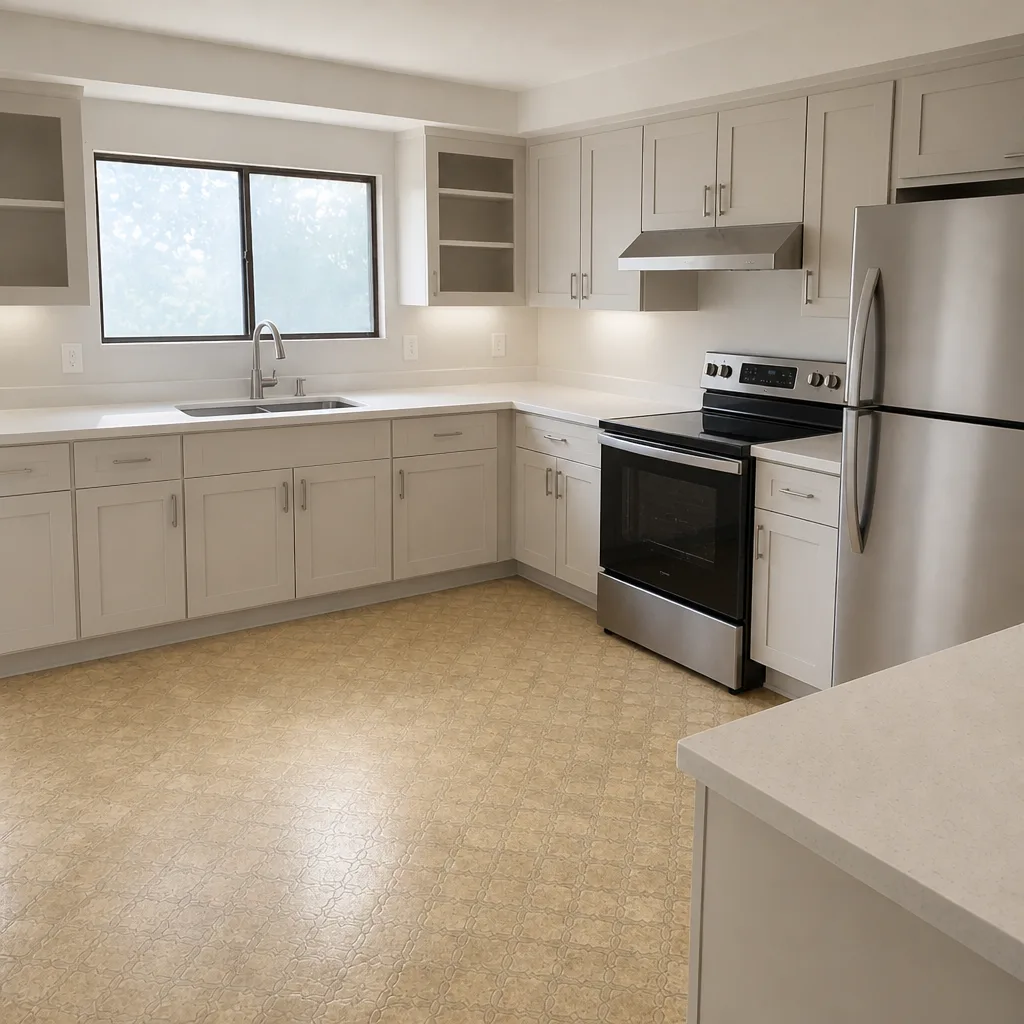
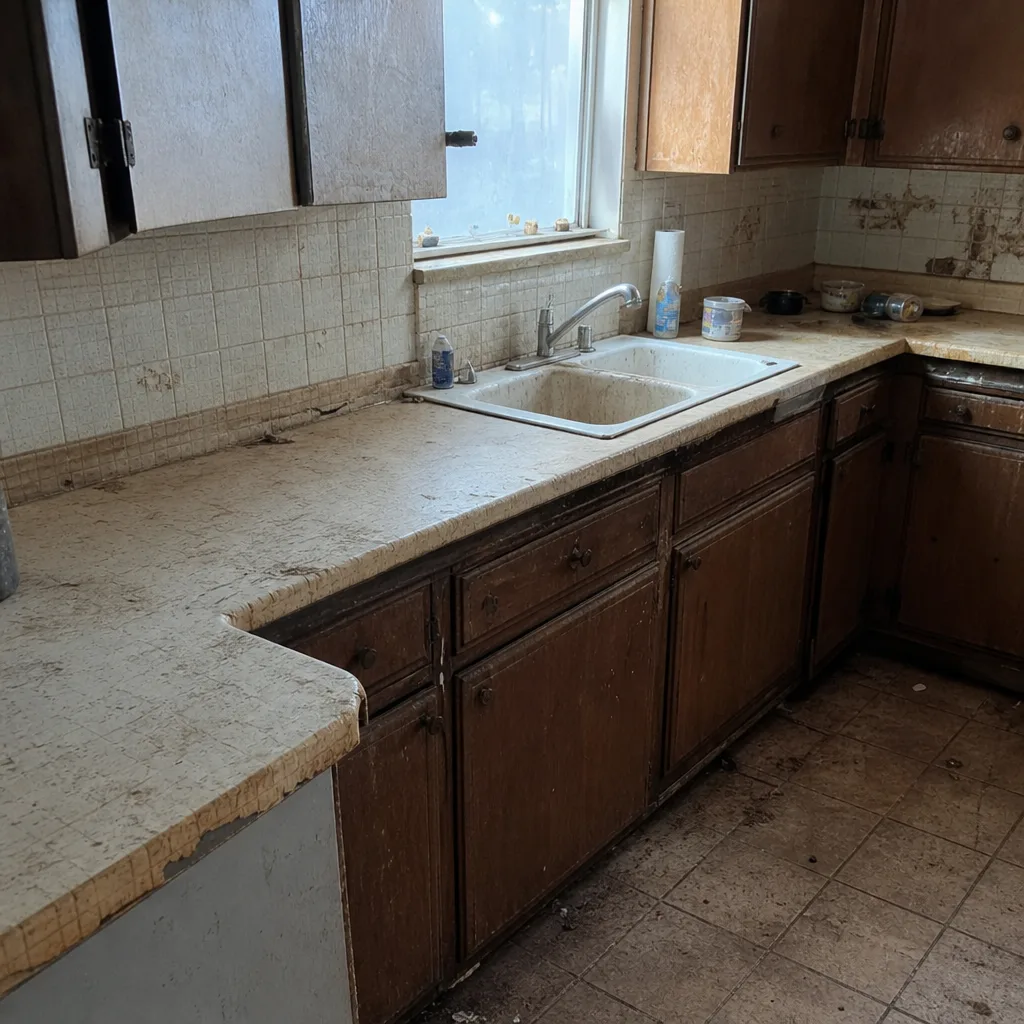
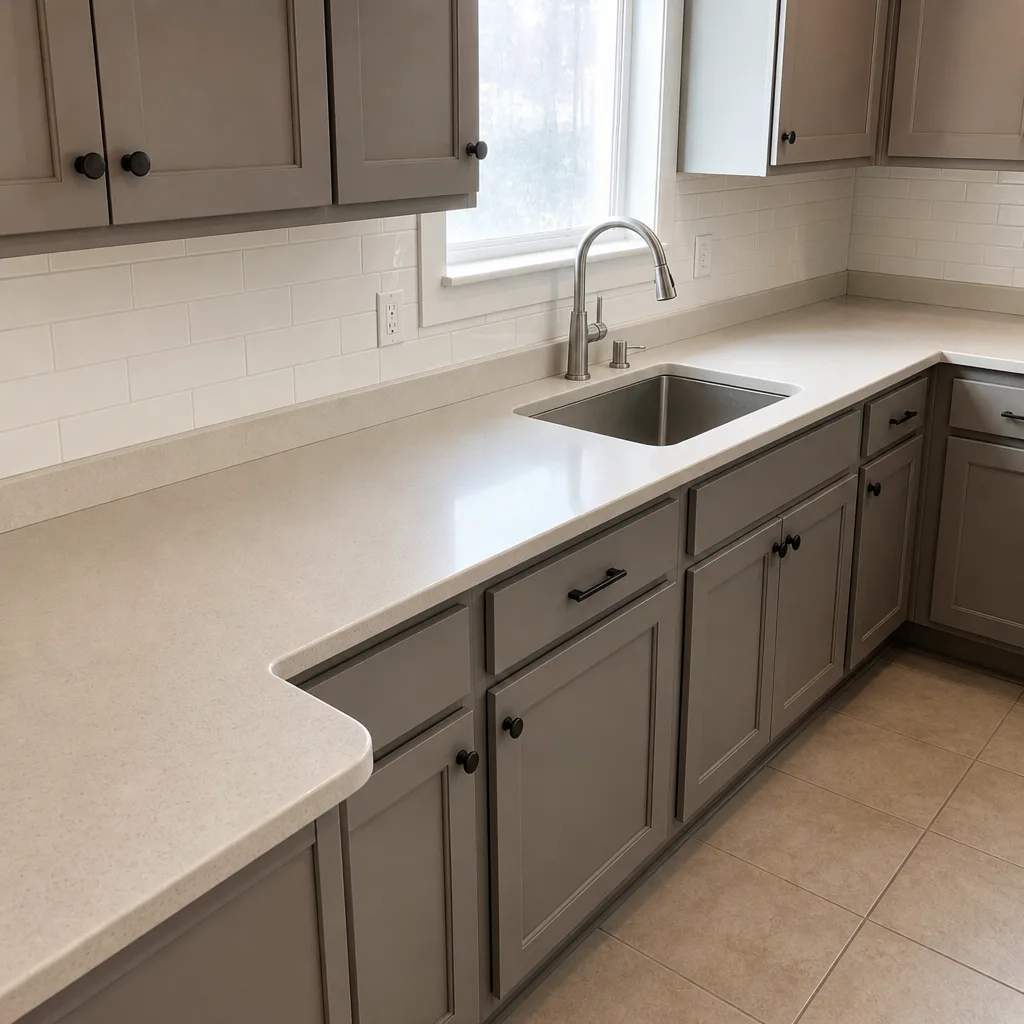
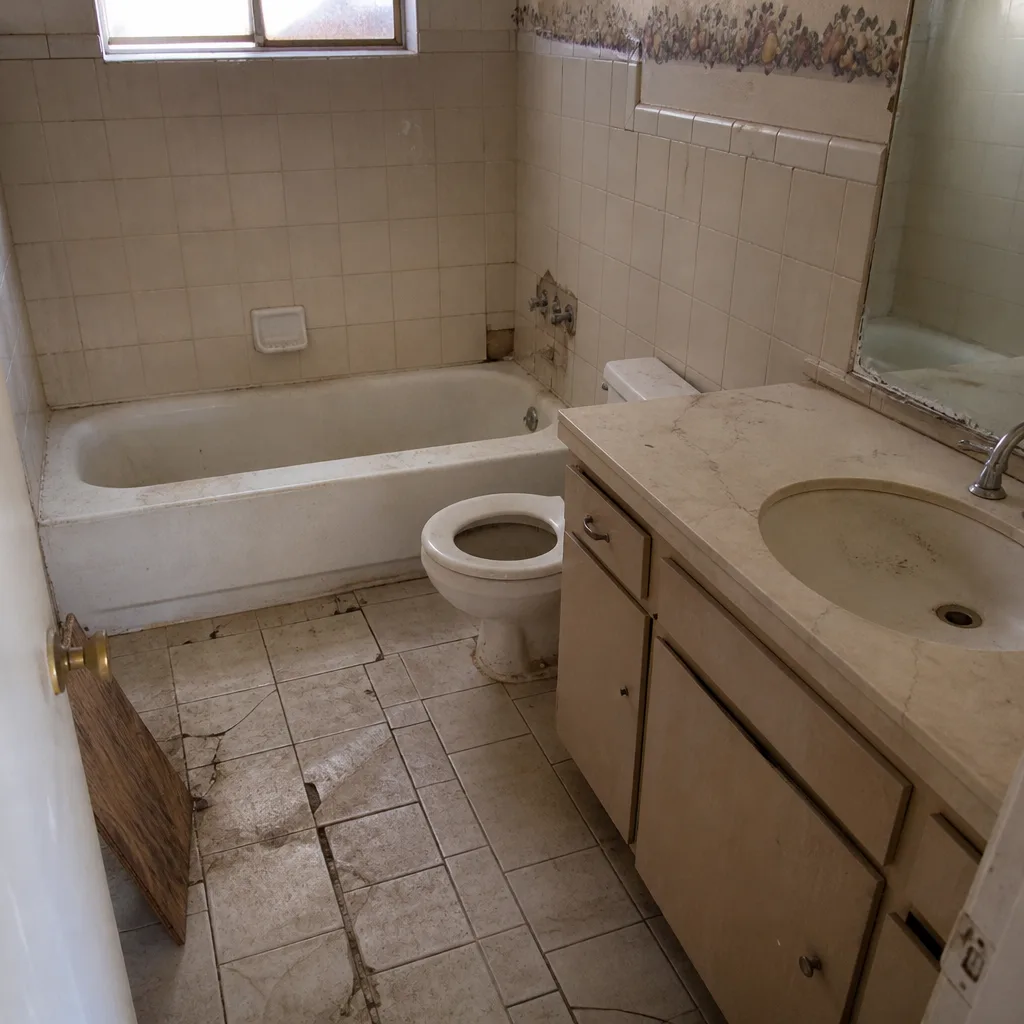
See the difference
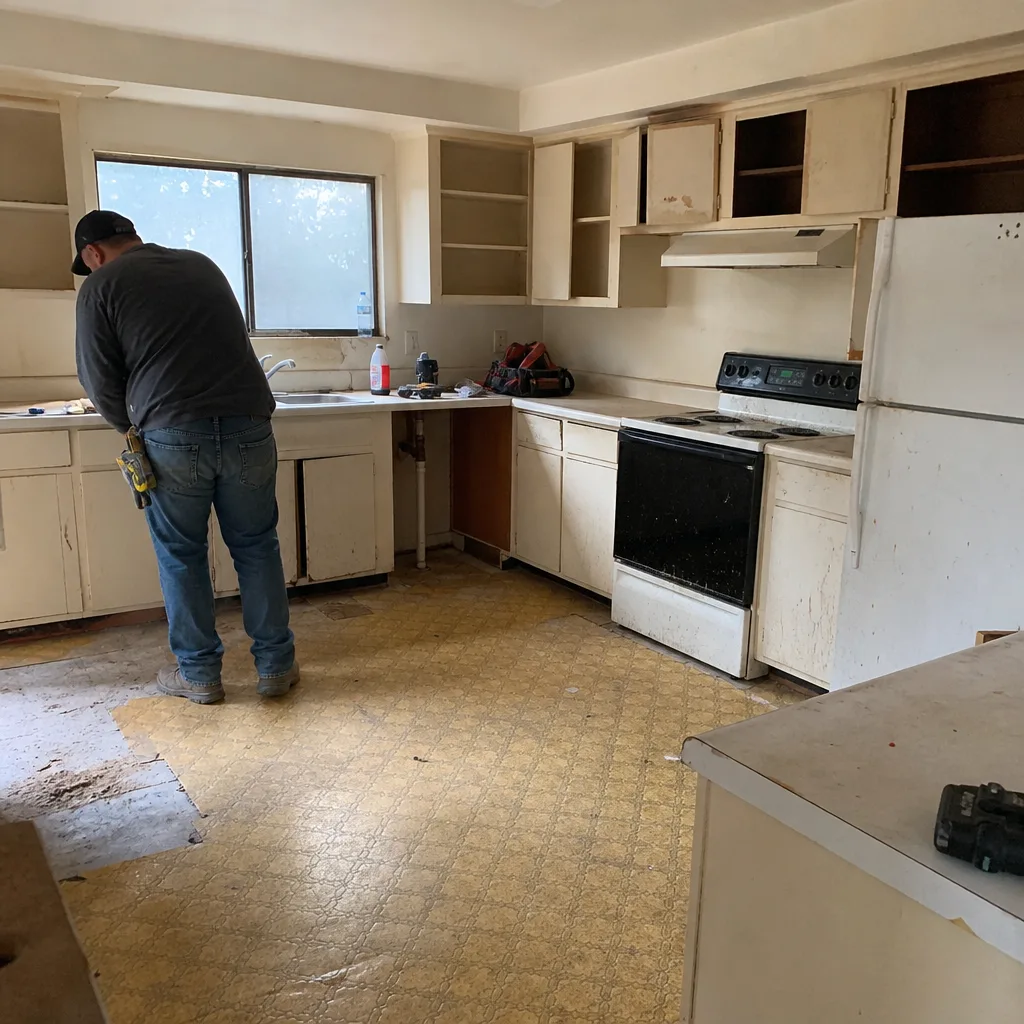 Before
 After
 Before
 After
 Before
 After
When to Call a Professional
Call a licensed general contractor when the project involves any of these: a structural change (wall removal, beam, framing), new electrical circuits or panel work, plumbing rough-in or fixture relocation, gas line work of any kind, a shower or bathroom build where the waterproofing has to be inspected, or any scope where you’re not certain what’s behind the wall. Also worth calling for: kitchen remodels over $15,000, whole-home remodels, and any project where you’ll be out of town during the work. Save your DIY hours for demo, painting, hardware, and cleanup – those are the honest savings. Penhallow Remodeling Boulder City offers free estimates in Boulder City – call (844) 834-9740. You’ll get a written price before any work starts, a real arrival window, and the 365-Day Done Right Promise in writing on every project.
Frequently Asked Questions
In most cases, no. Nevada requires licensed electricians for anything beyond swapping an existing fixture or outlet, and any rough-in or new circuit is licensed work. A homeowner can pull an owner-builder permit for other scopes, but electrical rough-in falls outside what the permit covers. Call (844) 834-9740 for a free estimate on the licensed portion of your project – estimates are free.
You can safely handle demolition, painting, and final cleanup under an owner-builder permit. The shower pan, the plumbing rough-in, the electrical for lights and fans, and the waterproofing all need licensed trade work and inspection. Call (844) 834-9740 to price the licensed scope – estimates are free.
It can. Insurance covers sudden and accidental damage from burst pipes or failed supply lines, but it generally excludes long-term seepage and work that wasn’t permitted or code-compliant. If a claim is traced to unpermitted work, the insurer can deny or reduce the claim. Call (844) 834-9740 for a free estimate that keeps the licensed scope on solid footing.
It becomes a disclosure item on your seller’s report, and buyers’ inspectors pull the permit history. Clean, permitted DIY work is not a problem – it’s a record. Work done under a permit but outside its scope, or without one at all, is the thing that complicates resale. Call (844) 834-9740 to free-estimate a project planned around clean permitting from the start.
Yes. Splitting a project – homeowner demo and painting, licensed contractor for electrical, plumbing, and cabinet installation – is legitimate and common. It works best with a written scope that names the permit holder, the sequencing, and a correction clause. Call (844) 834-9740 to price your split scope in writing – estimates are free.
At Penhallow, no. Every homeowner gets a written price before any work starts – the number on day one is the number on the invoice. That’s the Kingswell standard, and it’s the reason we write the price before we pick up a tool. Call (844) 834-9740 for your free estimate.
The Bottom Line

The real DIY question in Nevada isn’t “can I do this?” – it’s “which parts are legally mine to do, and which parts blow up the permit if I touch them?” The honest answer: demolition, painting, finish carpentry, flooring, and cleanup are yours and save real money ($2,400 – $4,500 on a typical $30,000 kitchen). Electrical, plumbing, gas, and structural work are licensed trade scope, and the insurance and resale exposure on doing them yourself outweighs the labor savings every time. The middle path – a split-scope contract with a licensed GC – lets you keep the savings on the parts that are yours and hands the licensed work to a professional who answers the phone and puts the price in writing. Start from Penhallow Remodeling Boulder City home and see how the licensed side of your project would price in Boulder City.
Call (844) 834-9740 for your free estimate. You’ll get a written price before any work starts, background-checked and uniformed technicians on the job, a live person on the phone 24/7 (no voicemail maze), the 365-Day Done Right Promise in writing, and a free second visit if any repair fails. That’s the standard – in writing, every time.
Written by the team at Penhallow Remodeling Boulder City.