Last updated November 18, 2026








Free written scope consultation - allowances, timeline, and change-order rules on paper before a single trade is scheduled
General Contractor Maintenance Checklist for Boulder City Homeowners
Boulder City sits at roughly 2,500 feet elevation, regularly swings 50°F between a summer night and the next afternoon, and sits close enough to Lake Mead that humidity behaves nothing like the Las Vegas Strip seven miles away. That combination quietly breaks homes on a schedule most maintenance advice never accounts for. A checklist copied from Phoenix or a generic “desert climate” template will tell you to watch for the wrong things in the wrong months. This guide is built around the actual rhythms Boulder City homes live with: caliche soil that won’t drain, UV that hits harder at elevation, and thermal cycling that pulls caulk and expansion joints apart long before the calendar says to look. You’ll learn what to check, when, and how to document it so your guarantee stays valid.
Quick Answer
Boulder City homeowners should inspect caulk and expansion joints every spring, before summer heat locks in; check drainage and grading after any monsoon rain because the caliche layer traps water and stresses foundations; and document exterior and roof conditions annually with dated photos. Those three habits, done on a Boulder City schedule rather than a generic one, catch most expensive failures while they’re still cheap to fix.
Styles & brands we work with
- Kitchen remodeling
- Bathroom remodeling
- Home additions & ADU
- Roofing
- Windows & doors
- Driveway & pavers
- Fence
Table of Contents
- Spring Thermal Cycling: Why Caulk Fails Before Summer
- Lake Mead Humidity and Your Stucco and Wood Frame
- Caliche Drainage: What Standing Water Is Telling You
- UV Degradation Timeline for Roofs, Paint, and Decking
- A Month-by-Month Boulder City Maintenance Calendar
- How to Document Maintenance So Your Guarantee Stays Valid
- Common Mistakes to Avoid
- When to Call a Professional
Spring Thermal Cycling: Why Caulk Fails Before Summer
Boulder City’s 50°F day-to-night swing is the single biggest driver of exterior joint failure, and it does its damage in spring, not fall. Every time the temperature drops at night and climbs again by afternoon, exterior caulk, window seals, and expansion joints flex. That flexing is normal. What isn’t normal is the rate. At this elevation the material moves more times per week through March, April, and May than it will at any other point in the year, and each cycle nudges a tired bead of caulk a little closer to cracking.
Check joints in spring because once the heat hits in late May and June, that same caulk softens and stretches instead of cracking. A hairline gap in April becomes a water path by July. In our experience working on Boulder City homes, spring is when we find the failing bead – not because it failed in spring, but because spring is the first time it opened wide enough to see.
What to inspect each spring
- Walk the full exterior and press a finger along window and door caulk lines. Soft, gummy, or separated caulk needs replacing before summer.
- Check expansion joints at the base of stucco walls and where additions meet the original structure.
- Look at the flashing around roof penetrations – vents, chimneys, skylights – where thermal movement opens the smallest gaps.
- Inspect the seal at exterior door thresholds and garage door frames.
Small gaps let in monsoon rain and, over a few seasons, moisture that swells framing and feeds stucco cracks. Recaulting in April costs a fraction of what water-damaged framing runs later. For larger envelope repairs, our General Contractor in Boulder City team handles the structural side.
Lake Mead Humidity and Your Stucco and Wood Frame
Boulder City’s proximity to Lake Mead produces seasonal humidity spikes that neighboring Las Vegas homes simply don’t experience the same way. When the lake is high and the winds shift, moisture in the air climbs for stretches. Stucco, which is porous, absorbs some of that. When the moisture works back out through the surface, it carries dissolved salts with it and leaves white efflorescence – the chalky staining many Boulder City homeowners mistake for a cosmetic problem.
Efflorescence is a signal, not just a stain. It means moisture is moving through the wall, and if that moisture is getting behind wood framing, the frame swells, then contracts as it dries, and nails begin to back out and drywall seams pop inside. Homes near the lake edge and the older blocks close to downtown Boulder City tend to show this pattern more than newer builds set farther back from the water.
What to check after a humid stretch
- White or gray staining on stucco, especially on shaded north and east walls.
- Interior drywall cracks near corners and above windows, which often track with exterior frame movement.
- Doors and windows that suddenly stick or drag – a classic sign of frame swelling.
- Any soft spots or bubbling paint near the base of exterior walls.
Efflorescence on its own can often be cleaned, but recurring staining needs a drainage and moisture-control look, not a fresh coat of paint over it. If you’re seeing it repeatedly, a professional assessment is worth the call before it reaches the interior.
Caliche Drainage: What Standing Water Is Telling You
Boulder City soil is heavily caliche – a cemented, calcium-carbonate-hard layer that water can’t easily penetrate. When it rains hard, the water has nowhere to go fast, so it pools. Standing water after a rain isn’t a minor annoyance in this soil; it’s a direct hint that drainage is failing and that water is sitting against your foundation for hours or days.
The risk is not the water on the surface. It’s what the trapped moisture does to the soil under the slab and to the graded slope around the house. Caliche holds water against the foundation, softens supporting soil, and over enough cycles can drive cracks and settling. Homes on the flatter lots near the older part of town and along the slopes toward the lake face this more directly because the grading has less room to shed water.
What to watch after a monsoon
- Note where water pools and how many hours it sits. More than a day is a warning.
- Check that the ground slopes away from the foundation on all sides – a drop of about six inches over the first ten feet is the usual target.
- Look for cracks in driveways, walkways, and the foundation line that widen over a season.
- Confirm gutters and downspouts push water well clear of the walls.
- Watch for interior floor cracks or doors that no longer close cleanly, which can track with foundation movement.
Fixing drainage early is far less expensive than addressing a foundation or slab issue. If water is reliably pooling against the house, get a professional grading assessment before you finish over it. Major interior changes that come after a repair are better planned with a remodeling team – our Penhallow Remodeling Boulder City home page outlines where those projects start.
UV Degradation Timeline for Roofs, Paint, and Decking
Elevation and clear desert air mean Boulder City takes more direct UV than lower, hazier cities, and that shortens the life of anything outdoors. The failure points follow a fairly predictable timeline, which makes them easier to budget for.
- Exterior paint: Expect meaningful fading and chalking in about five to seven years on sun-facing walls. South and west elevations go first.
- Roofing membranes: Flat and low-slope membrane roofs show UV-driven cracking and brittleness in roughly ten to fifteen years, faster on unshaded roofs.
- Composite decking: Most quality composites hold color well, but sun-facing boards fade and chalk first. Composite that fades is normal; composite that cracks or pills is a sign it was under-protected.
- Sealants and coatings: Any clear sealer on wood or stone near the lake needs refreshing every few years, not every decade.
Knowing the timeline means you can budget and replace before a membrane fails. A roof that’s cracked and letting water in during a monsoon is far more expensive than one replaced on schedule. When roof work touches interior ceilings or walls, that’s often the point to plan a larger project – see our Bathroom Remodeling in Boulder City page for how water-affected spaces usually get handled.
A Month-by-Month Boulder City Maintenance Calendar
This calendar is built specifically for Boulder City’s weather, not a generic desert schedule. Run through it once and it becomes a habit.
Spring (March through May)
- Inspect and replace failed caulk and expansion joints before the heat locks them in.
- Wash and check stucco for new efflorescence after the first humid spells.
- Clear gutters before the summer monsoon season.
- Test all exterior door and window seals.
Summer (June through September)
- Watch the ground after monsoon rains. Note every pool of standing water and how long it lasts.
- Check the roof and flashing visually after any significant storm.
- Look for interior cracks, sticking doors, and popped drywall seams as humidity swings.
Fall (October and November)
- Do the full exterior walk you did in spring and compare – any new gaps?
- Inspect the roof membrane for cracking or brittleness before winter.
- Refresh sealants on any wood or stone near the lake.
Winter (December through February)
- Take photos of everything you checked to build your documentation file.
- Plan any larger replacements – roof, deck, cabinetry – for spring.
How to Document Maintenance So Your Guarantee Stays Valid
A written guarantee is only as strong as the record behind it. Most homeowners don’t realize that a warranty can be undercut simply because nobody documented the condition of the work or the maintenance that followed. Two habits fix that.
First, keep a dated photo log of the exterior envelope, roof, and drainage once a season. Photos with a visible date turn “it failed on its own” into a record anyone can review. Second, keep the paperwork from every contractor who worked on the home, including the written price you received before work started and the written guarantee that came with it.
A simple documentation routine
- Create a folder – digital or physical – for the home’s maintenance history.
- Photograph the roof, all four exterior walls, and every drainage area each season, with the date visible.
- Save every contractor’s written price and guarantee in the same folder.
- Note the date and result of any repair visit.
This is why we put every promise in writing. Under the 365-Day Done Right Promise, if work we completed fails within the guarantee period, we come back and fix it at no charge. That promise only works cleanly when both sides can point to the record. A written guarantee on every repair, plus a free second visit if a repair fails, only holds up when everyone knows what was done and when.
Common Mistakes to Avoid
- Doing your only inspection in fall. In Boulder City, spring is when caulk and expansion joints show failure – checking in October misses the window when the fix is cheap.
- Treating efflorescence as a stain. Scrubbing it off without finding the moisture source just means it comes back. White staining on stucco is a sign of water movement, not dirt.
- Ignoring standing water after rain. On caliche soil, a pool that sits for a day is a drainage warning, not a minor nuisance, and it stresses the foundation over time.
- Painting over recurring efflorescence or cracks. Paint hides the signal and lets the underlying moisture problem grow.
- Letting a roof membrane run past its UV timeline. A cracked membrane during a monsoon is far costlier than replacing it on schedule.
- Skipping the photo log. Without dated records, a guarantee is harder to defend even when the failure was clearly not your fault.
- Accepting a verbal price. A price that changes after demo is the most common complaint we hear. A written number before work starts protects you.
When to Call a Professional
Some jobs on this checklist are worth handing to a professional. Call someone when caulk failure has spread into stucco cracks you can fit a finger into; when water pools against the foundation for more than a day after rain; when efflorescence keeps returning despite cleaning; when roof membrane is cracked or you spot missing or lifted flashing; or when interior cracks, sticking doors, or popped seams suggest frame or foundation movement. Steep roof work and anything on a fragile membrane is not a weekend DIY job – call a trained professional rather than climbing up there. Penhallow Remodeling Boulder City offers free estimates in Boulder City – call (844) 834-9740 to schedule one.
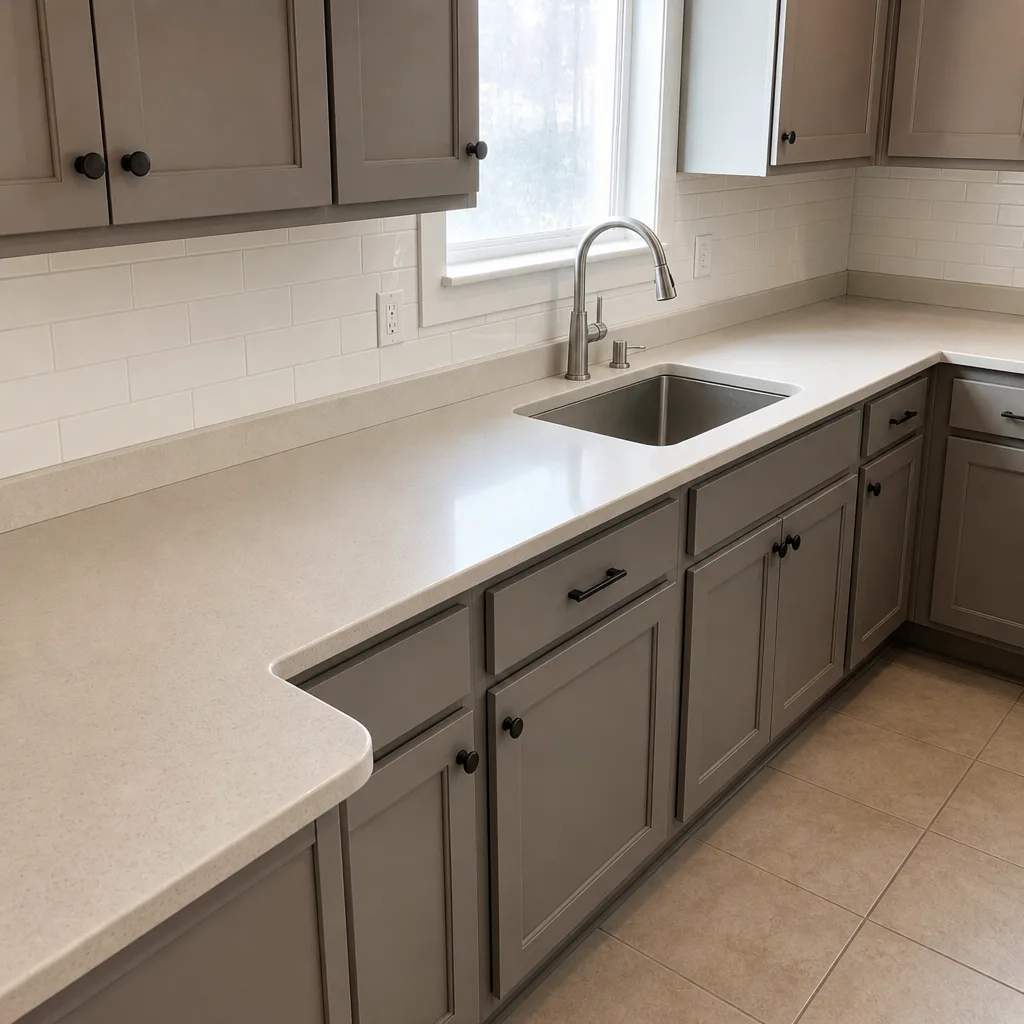
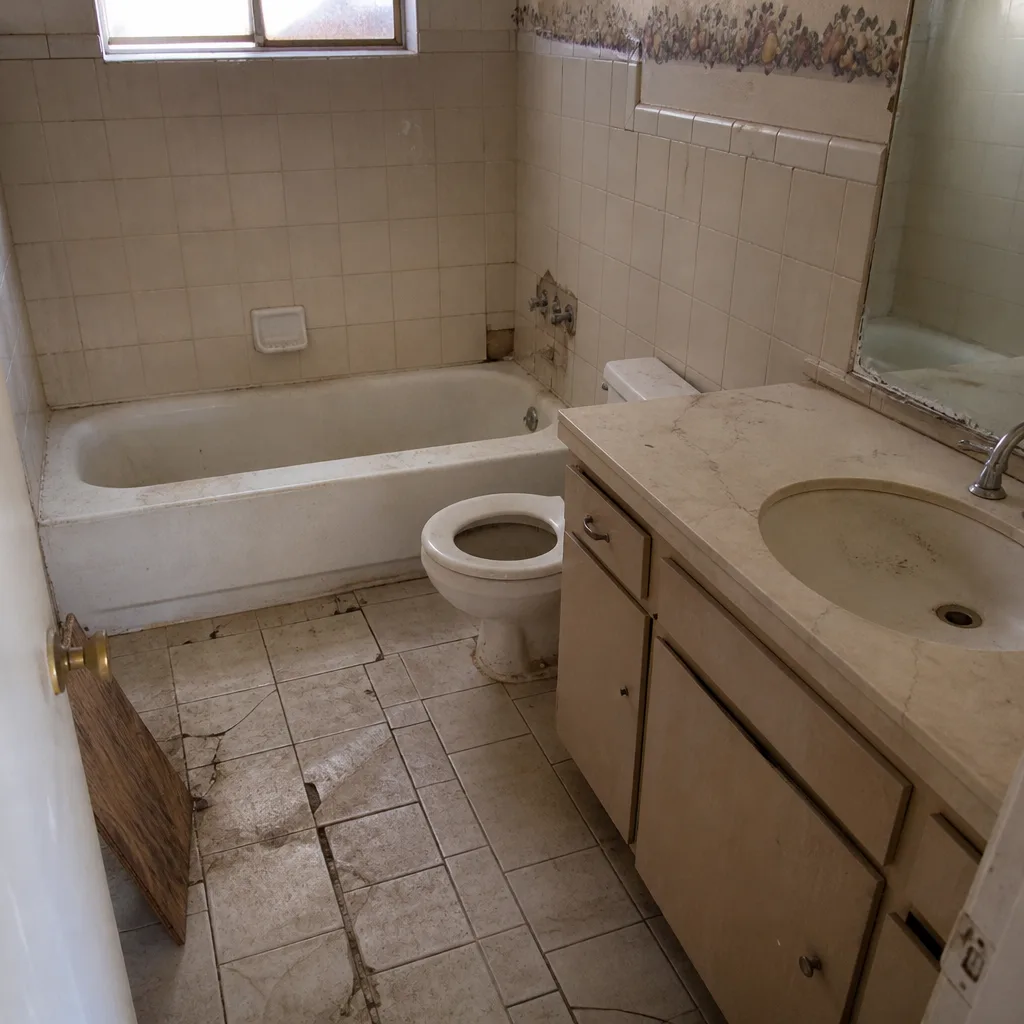
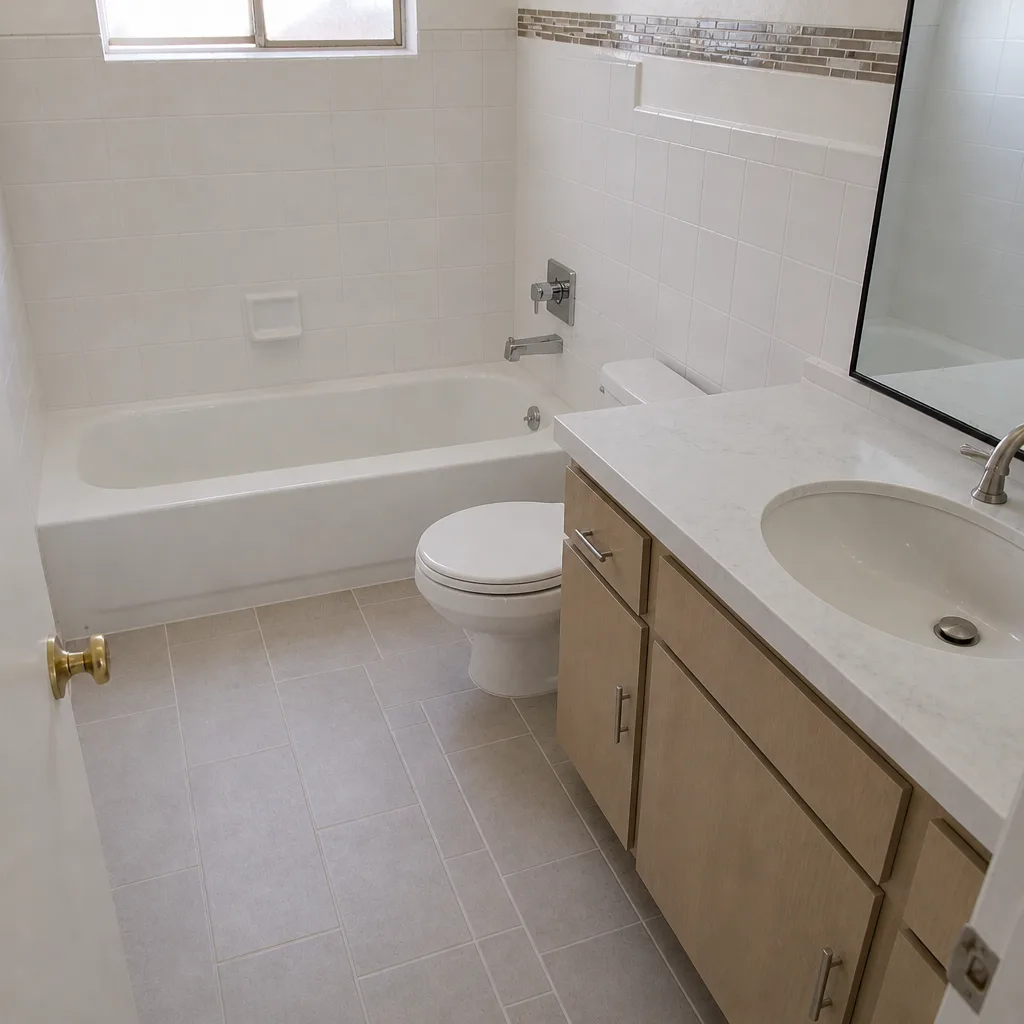
See the difference
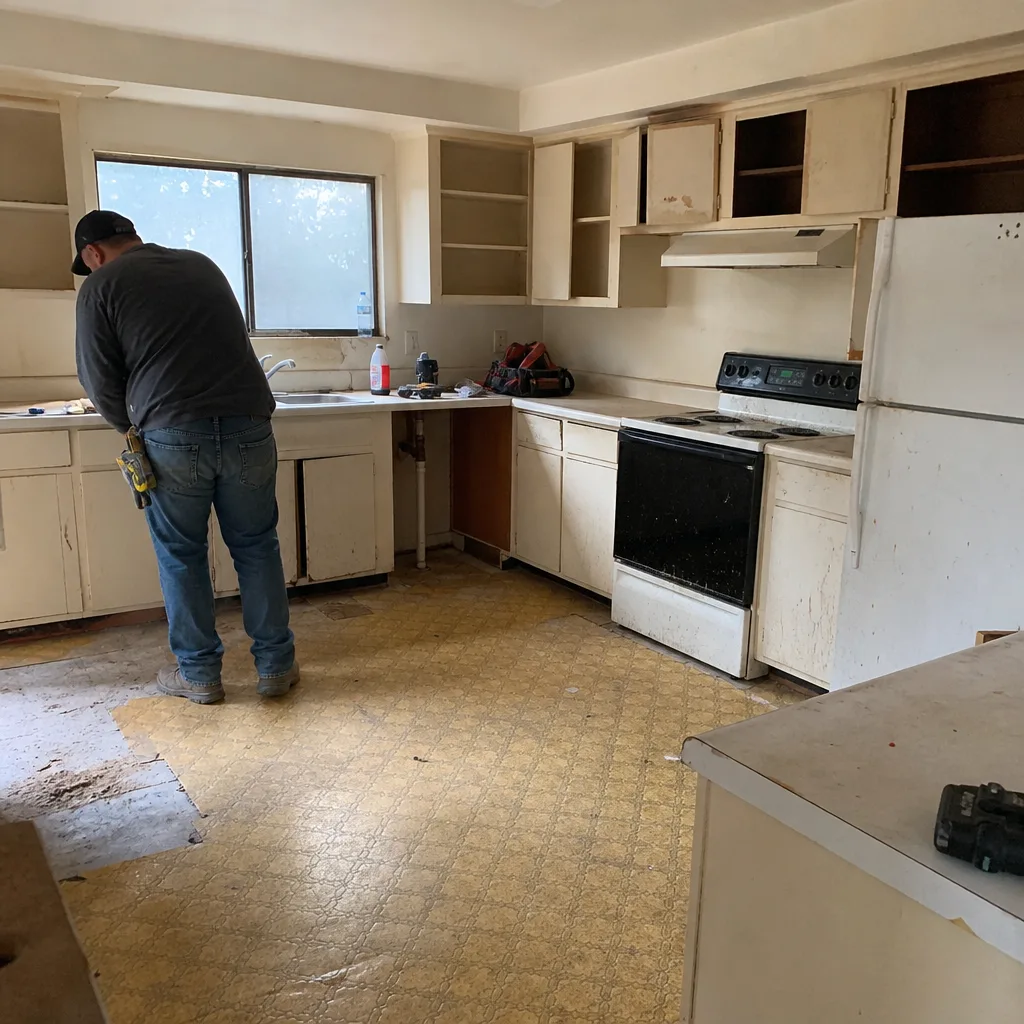 Before
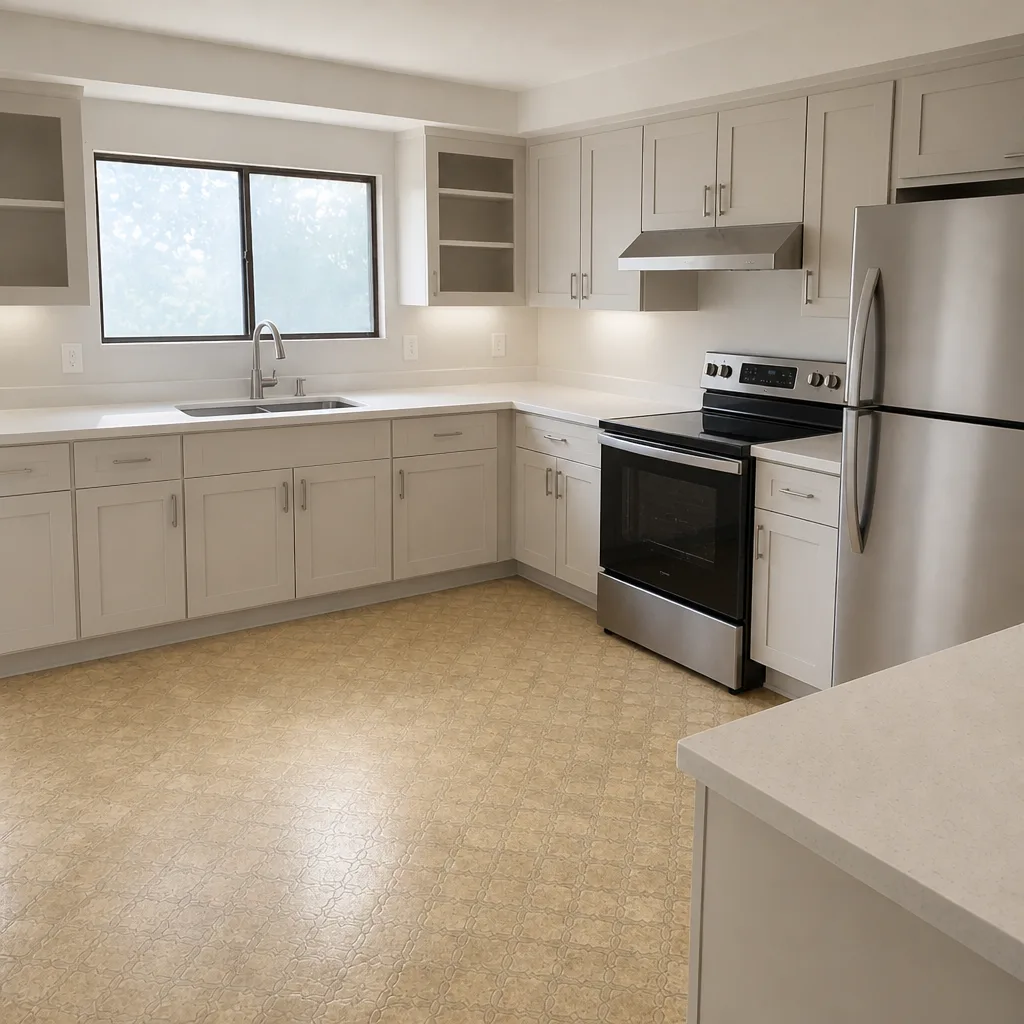 After
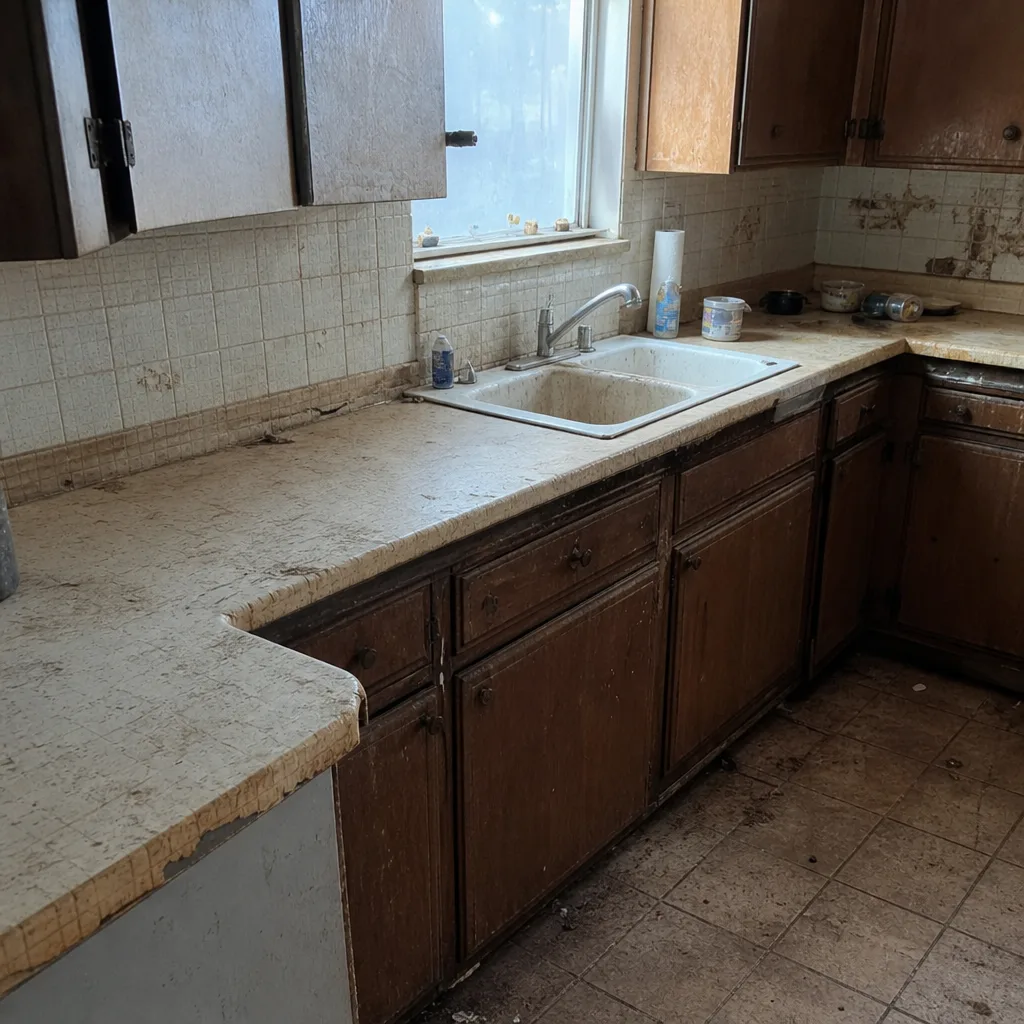 Before
 After
 Before
 After
Frequently Asked Questions

Twice a year, but not at the standard intervals: check in spring before the heat and again in fall. The spring inspection matters most in Boulder City because thermal cycling does its damage before summer, not after it. Call (844) 834-9740 for a free estimate on any exterior repair.
White staining, called efflorescence, happens when moisture moves through stucco and carries salts to the surface. Near Lake Mead, seasonal humidity spikes drive it more than other desert cities. If it keeps returning, get the moisture source checked – call (844) 834-9740 for an estimate.
Yes. The caliche soil layer here won’t drain easily, so water that pools against the foundation for more than a day is a genuine warning sign. Address drainage before it reaches the foundation – call (844) 834-9740 for a free assessment.
Expect about five to seven years before meaningful fading and chalking, with south and west elevations failing first because of direct UV. Plan repaints before the paint fails, not after – call (844) 834-9740 to schedule an estimate.
A written guarantee is strongest when you document the home’s condition and every repair. Keep dated photos and every contractor’s written price and guarantee. A guarantee on every repair and a free return visit if something fails only work cleanly when both sides have the record. Call (844) 834-9740 for details on how our guarantee applies.
Small caulk jobs you can often do yourself. Once you’re seeing stucco cracks, flashing problems, or water getting inside, it’s time for a professional. Call (844) 834-9740 for a free estimate.
The Bottom Line
Boulder City homes fail on their own schedule, driven by elevation, thermal swings, Lake Mead humidity, and caliche soil that won’t drain. Check caulk and expansion joints every spring, not just fall. Watch for efflorescence after humid spells and standing water after rain, because both are signals, not cosmetic complaints. Track the UV timeline on your roof, paint, and decking so you replace on schedule instead of after the damage. And document everything with dated photos and written paperwork so your guarantee stays defensible. That routine, done on a Boulder City schedule, keeps small fixes from becoming big ones.
Ready to Plan Your Next Project?

When a maintenance check turns into a real repair or a remodel, work with a team that gives you a written price before any work starts and backs the job with a 365-Day Done Right Promise. Penhallow Remodeling Boulder City keeps the process plain: a written number on day one, an arrival window we actually keep, uniformed and background-checked technicians, and a live person on the phone any time. We install materials from brands like Moen, Kohler, and Caesarstone, so the products behind the guarantee are as solid as the promise. Call (844) 834-9740 for a free estimate, and take a look at our Kitchen Remodeling in Boulder City page if your project starts in the heart of the home.
Written by the team at Penhallow Remodeling Boulder City.