Last updated November 18, 2026






Free written scope consultation - allowances, timeline, and change-order rules on paper before a single trade is scheduled
DIY vs Professional Kitchen Remodeling: What’s Safe to Do Yourself
Painting your own cabinets can save $800. Moving a gas line yourself can void your homeowner’s insurance and stop your project cold at inspection. Those two tasks get filed under the same “DIY” heading in most articles, and they carry nothing close to the same risk. The question worth asking isn’t whether you’re handy enough for a kitchen remodel. It’s which specific tasks have a low cost of failure and which ones can cost more to fix than hiring them out would have cost in the first place. This guide sorts the work task by task, explains what Nevada and Clark County actually require, and shows the hybrid approach working remodelers use in Boulder City to save money without touching the dangerous stuff.
Quick Answer
Safe DIY kitchen tasks are the cosmetic, reversible ones: painting cabinets, swapping hardware and faucets, installing a backsplash, and light finish work. Electrical, plumbing, gas, and any structural change should go to a licensed professional, because a mistake there can fail inspection, void insurance, or cost thousands to open back up. Everything in between is where the hybrid model earns its keep.
Styles & brands we work with
- Kitchen remodeling
- Bathroom remodeling
- Home additions & ADU
- Roofing
- Windows & doors
- Driveway & pavers
- Fence
Table of Contents
- Sorting Tasks by Cost of Failure
- What’s Genuinely Safe to Do Yourself
- What You Should Never Touch
- The Hybrid Model Remodelers Actually Use
- Nevada Licensing and Owner-Builder Permits
- The Hidden Cost of a DIY Mistake in a Kitchen
- Get a Written Estimate First, Even If You DIY
- Common Mistakes to Avoid
Sorting Tasks by Cost of Failure
The useful filter for any DIY decision is simple: if this goes wrong, how bad is it? A crooked tile in a powder room gets redone with a chisel and an afternoon. A crooked tile floor under newly set base cabinets means the cabinets come out too. That gap between “annoying” and “gut the room” is what separates a smart DIY list from an expensive lesson.
We think about kitchen work in three tiers. The point isn’t to scare anyone off a paint roller. It’s to be honest about which tier each task belongs to before you buy the materials.
- Tier one, low cost of failure: paint, cabinet hardware, a freestanding faucet swap, backsplash tile on a clean wall, caulk and trim. A mistake costs you a weekend and maybe $150 in supplies.
- Tier two, medium cost of failure: cabinet refacing, open shelving anchored into studs, a dishwasher or range swap in an existing hookup, prep work like patching drywall. Doable with care, but mistakes show up later and aren’t free.
- Tier three, high cost of failure: anything electrical beyond a light fixture, anything involving water supply or drain lines, gas, load-bearing walls, subfloor and substrate work, and permit-inspected rough work. A mistake here can be unsafe, fail inspection, or force a redo of finished surfaces.
Boulder City homes add a wrinkle. A good share of the housing stock in older neighborhoods was built decades ago, so you’re often working around original wiring, galvanized or undersized plumbing, and walls that aren’t quite plumb. That pushes more tasks into tier three than a newer build would.
What’s Genuinely Safe to Do Yourself
The safe list is real, and it saves real money. Cabinet painting is the clearest example. A careful homeowner with a few days and a sprayer or good brush can produce a finish that holds up, and the savings against a professional refinish are often $800 to $2,500 depending on kitchen size and door count. Hardware swaps take an hour and cost $60 to $200 in pulls. These are good DIY projects.
- Painting or refinishing cabinets. Degrease thoroughly, sand, prime with a bonding primer, and use a cabinet-grade enamel. The prep is 80% of the result.
- Swapping hardware. If the new pulls don’t line up with old holes, you’ll be filling and redrilling, which is fine on painted doors and fussier on stained wood.
- Replacing a faucet. Shut the supply valves first, and know that old valves under an older sink sometimes don’t reopen cleanly. That’s a plumbing call, not a DIY one.
- Installing a backsplash. The wall behind it must be flat and sound. A bad substrate (the layer the tile bonds to) will telegraph through no matter how neat your grout lines are.
- Painting walls, trim, and ceilings. Lowest risk item on the list, biggest visual payoff per dollar.
- Caulking, sealing, and small trim work. Cosmetic and reversible.
If you’re planning a full face-lift with new cabinetry and counters later, our guide to kitchen remodeling in Boulder City walks through the sequencing so your DIY phase doesn’t collide with the professional one.
What You Should Never Touch
Electrical, gas, and structural work are where DIY stops being a money-saving choice. A kitchen circuit involves dedicated appliance lines, GFCI protection near water, and code requirements that an inspector will check. A gas line feeds a range or a cooktop, and a leak you can’t smell is a genuine hazard. Load-bearing walls hold up the house, full stop. High-voltage work, gas connections, and structural changes should always go to a trained, licensed professional, and we’d say that even if it cost us the job.
- Gas line work. Requires a licensed plumber or gas fitter and inspection. An unpermitted gas line is an insurance problem as much as a safety one.
- Electrical panel changes, new circuits, and most outlet or fixture relocations. Licensed electrician and permit.
- Moving or removing walls. Needs structural review and often engineering before a permit will be issued.
- Water supply and drain relocation. A slow leak inside a wall can run for months before it shows. Licensed plumber.
- Subfloor and cabinet base leveling. Sounds simple. If the base isn’t dead level, every cabinet, counter, and door reveals the gap.
The same caution applies on the other side of the house. We’ve seen a homeowner tile a bathroom floor over a soft substrate and lose the whole job. If you’re weighing a bath project, bathroom remodeling in Boulder City covers where the substrate and waterproofing rules change.
The Hybrid Model Remodelers Actually Use
Experienced remodelers don’t work all-or-nothing, and neither should you. The hybrid model splits a kitchen project by risk: hire out the rough work and inspections, then do the finish and cosmetic work yourself. You keep the savings on the visible labor, and you hand off the parts that can stop a project cold.
- Hire the rough work. Framing, electrical rough-in, plumbing rough-in, and HVAC changes go to licensed trades. They’re permitted, inspected, and documented.
- Pass inspection before covering anything up. The inspector needs to see the work open. This sequencing is not optional.
- Take on the finish work yourself. Cabinet painting, backsplash tile, hardware, paint, and trim. These are where your hours convert into the most saved dollars.
- Bring a pro back for the final connections. Hook up the range, the disposal, the dishwasher, and any gas appliance. Small scope, high risk.
- Get the finished work inspected where required. Final inspection is what makes the whole project transferable if you ever sell.
That structure is how a Boulder City homeowner can save $2,000 to $6,000 on finish labor while keeping a clean permit record. It also means someone else is accountable if a rough-in fails inspection, which is worth more than the savings.
Nevada Licensing and Owner-Builder Permits
Nevada requires a licensed contractor for most residential construction work over a set dollar threshold, and Clark County enforces it through permits and inspections. The state does allow homeowners to pull what’s called an owner-builder permit for work on their own primary residence, but the scope is narrower than people assume.
- The owner-builder permit is for the homeowner’s own home, not a rental or a flip.
- It doesn’t convert dangerous work into safe work. Gas and electrical still require licensed trades and inspection.
- It puts the inspection responsibility squarely on you. If the work fails, that’s on your record.
- Owner-builder work can complicate a future sale, because some buyers and lenders want to see permitted, inspected records.
If you’re unsure where your project falls, a quick call to Clark County’s building department settles it. We also walk homeowners through the permit question on every estimate, because it changes both the cost and the timeline. Our general contractor in Boulder City page covers how permits get pulled and inspected on a typical project.
The Hidden Cost of a DIY Mistake in a Kitchen
Here’s the asymmetry that sinks DIY budgets. A botched tile job on a bathroom floor is fixable: pull the tile, fix the substrate, redo it. A botched tile job on a kitchen floor under newly installed cabinets and quartz counters is a full gut, because the cabinets and counters come out to reach the floor. A $400 DIY tile mistake becomes a $6,000 to $14,000 problem.
A few more examples we’ve seen in Boulder City:
- A cabinet hung 1/4 inch out of level shows up everywhere: the counter seam, the door reveal, the toe kick. Fixing it means re-hanging the whole run.
- An unpermitted electrical circuit surfaces at inspection, and the fix means opening walls you just finished.
- A missing moisture barrier behind a backsplash on an exterior wall can blister paint within two summers in our climate.
The lesson isn’t that DIY is bad. It’s that the tasks you do yourself should be the ones where a mistake is cheap to undo. That’s the whole test.
Get a Written Estimate First, Even If You DIY
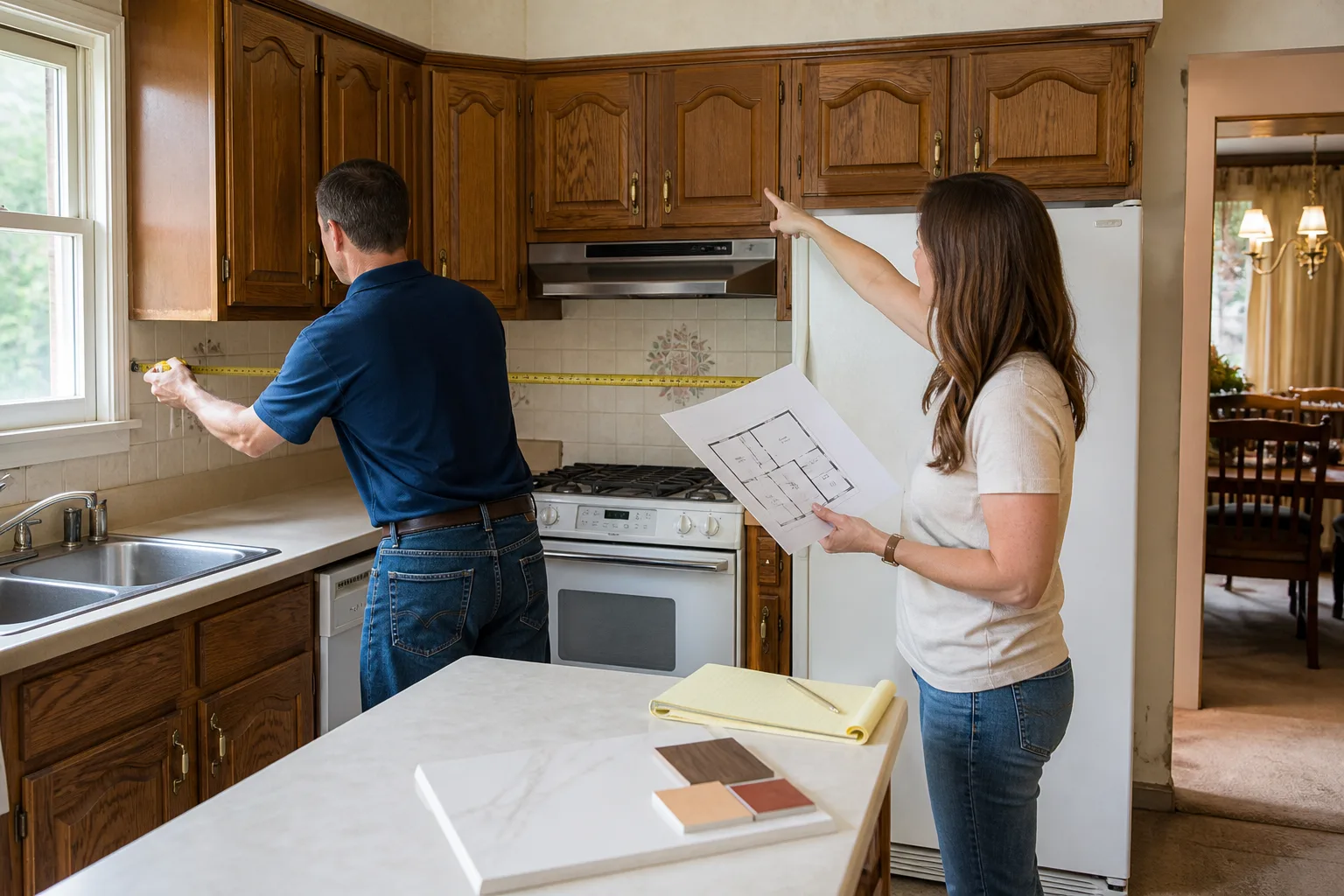
You can’t know whether DIY is saving you money until you know what the professional price actually is. Get a written, itemized estimate before you pick up a tool. That number is the benchmark your DIY hours get measured against.
A real written estimate should show line items for demolition, rough trades, cabinetry, countertops, tile, and finish work, with material allowances named. Not a verbal ballpark. At Penhallow Remodeling, every homeowner gets a written price before any work starts, so the number on day one is the number on the invoice. That gives you a document to compare against your own time and material costs.
When we quote cabinets and counters, the brands are named: KraftMaid and Wellborn cabinetry, Cambria, Silestone, and Caesarstone countertops, Kohler and Moen fixtures. Those specific lines make the price comparison meaningful instead of guesswork. You can see exactly where the money goes, then decide which lines you’re comfortable taking on yourself.
Common Mistakes to Avoid
- Treating all DIY as equal risk. Painting a cabinet and moving a gas line don’t belong on the same list. Sort by cost of failure before you buy anything.
- Skipping the permit to save time. In Clark County, an unpermitted rough-in can surface at final inspection and force walls back open. It also becomes a disclosure issue at sale.
- Buying cabinets before the base is level. We’ve seen homeowners hang $8,000 in cabinets on a floor that was out by half an inch. The cabinets came back down.
- Tiling a kitchen floor under new cabinets without checking the substrate. A soft or uneven substrate under new cabinetry is a full redo, not a touch-up.
- Hiring the cheapest bid without a written scope. A verbal number that changes after demo is the most common complaint we hear from homeowners in Boulder City.
- Doing the rough work yourself to save money, then calling a pro to fix it. Fixing unpermitted work usually costs more than doing it right the first time.
- Not getting a written professional estimate before starting. Without a benchmark, you have no idea whether your DIY hours are actually saving anything.
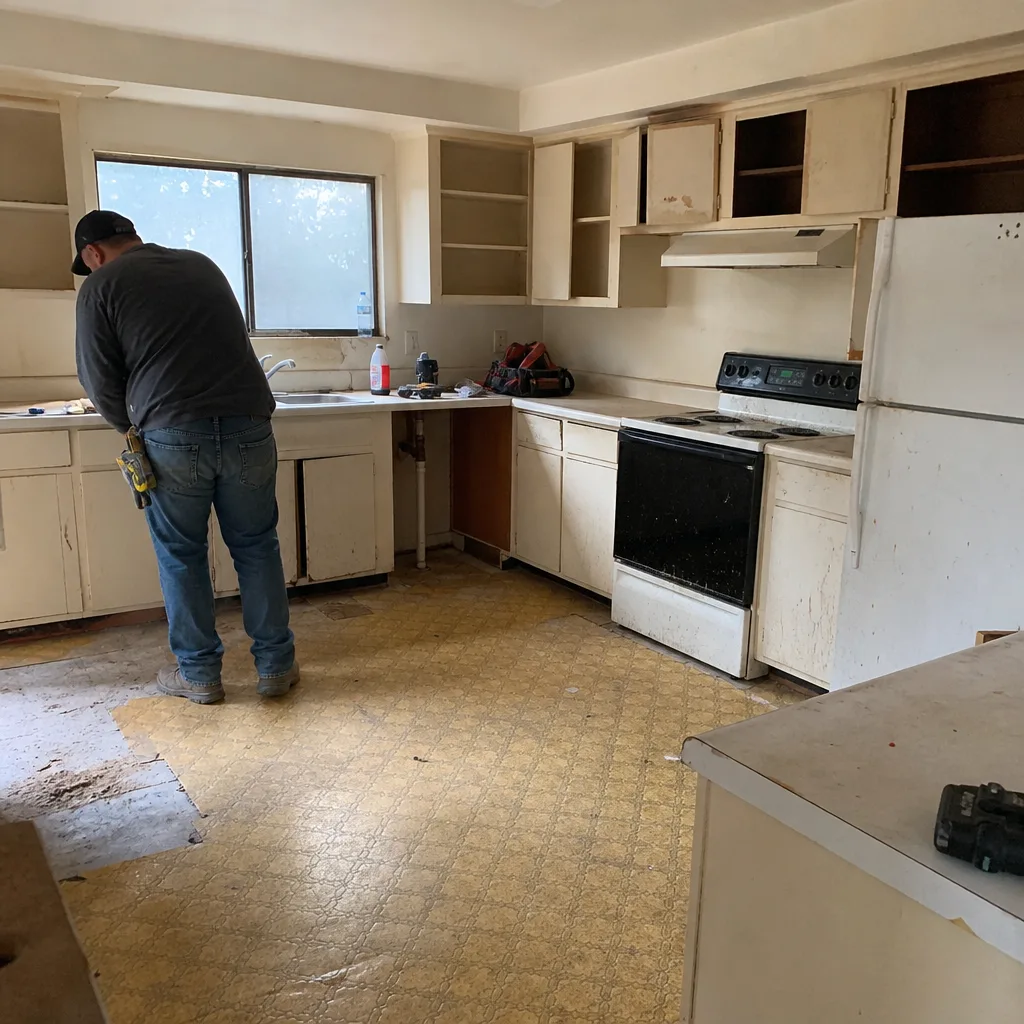
See the difference
 Before
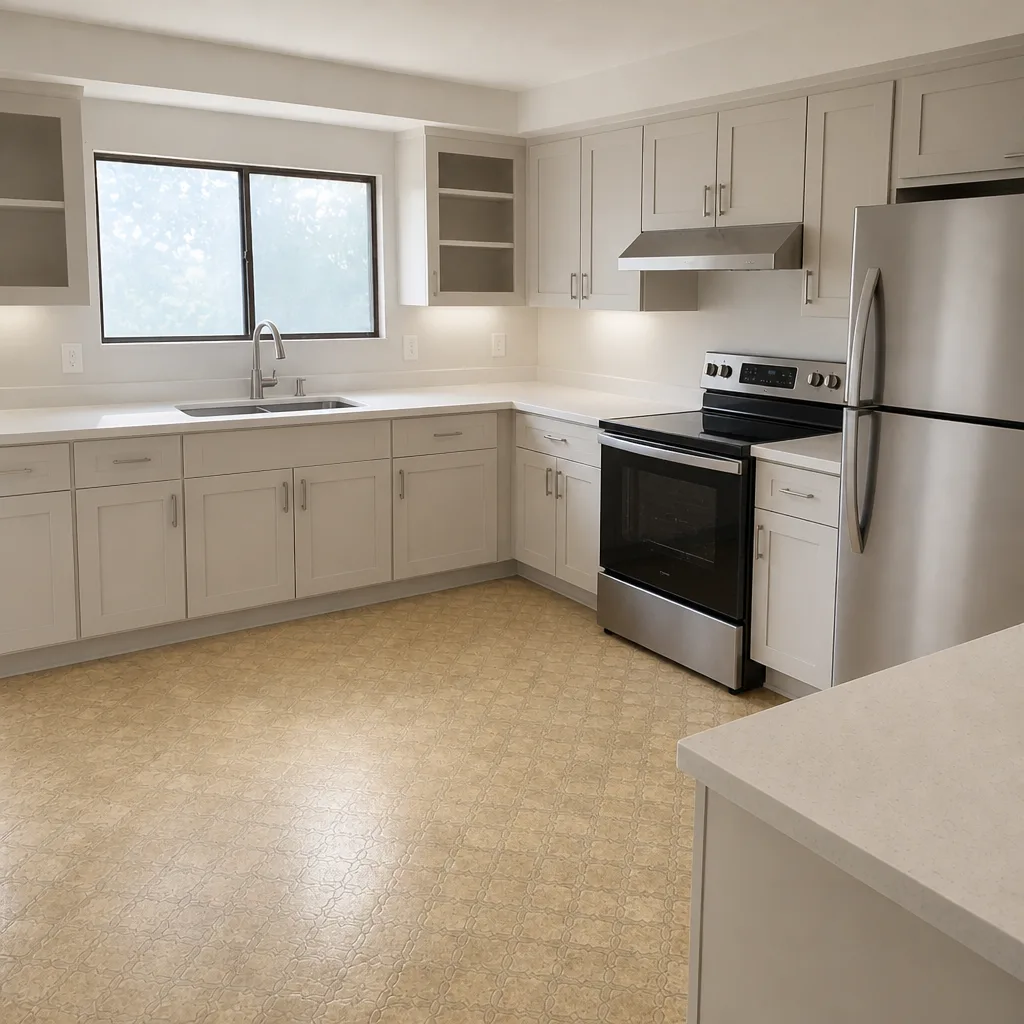 After
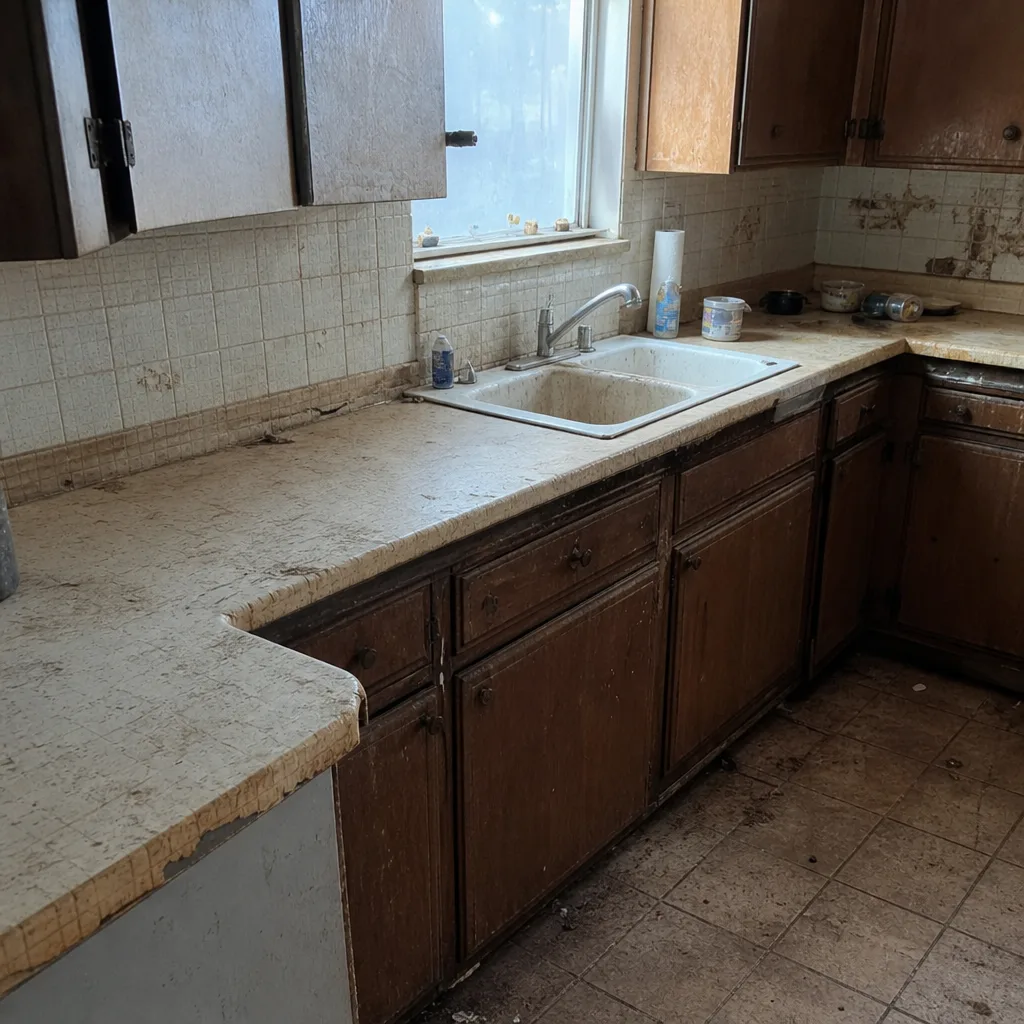 Before
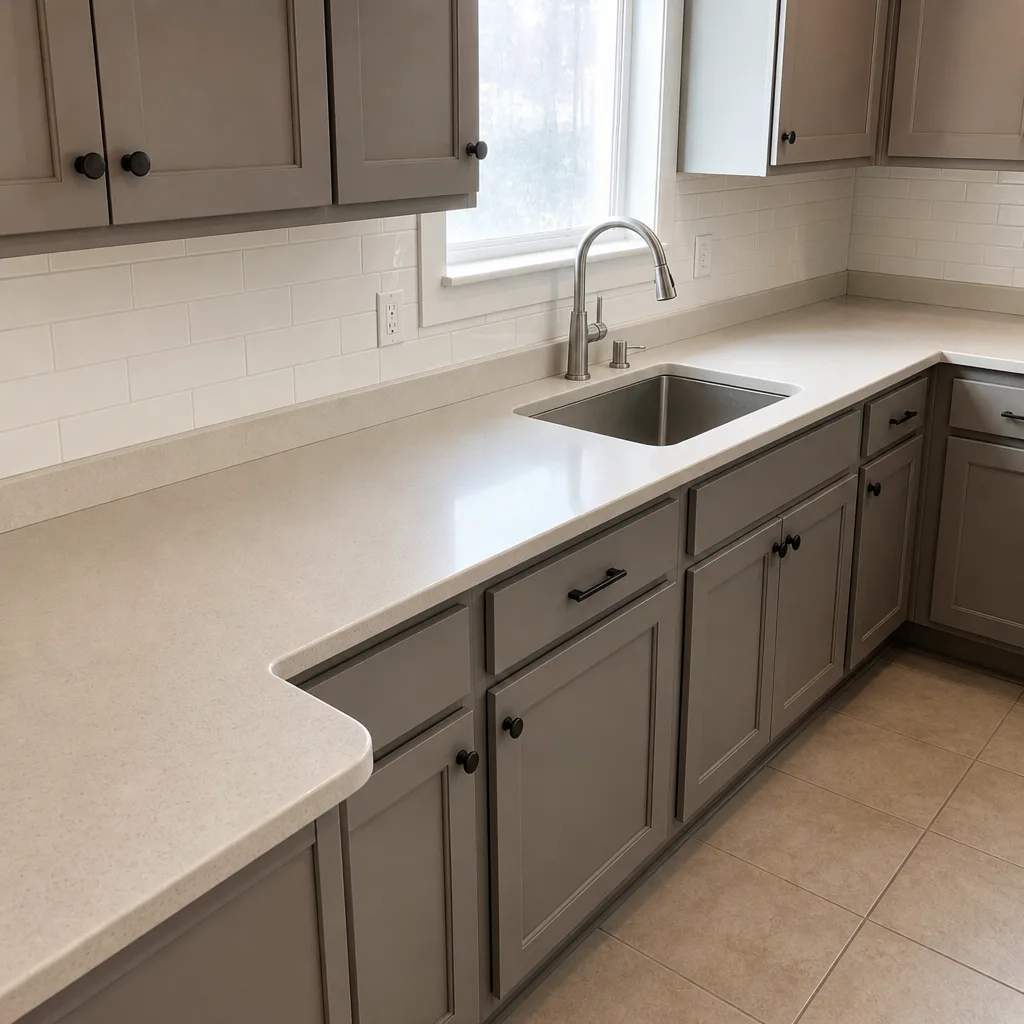 After
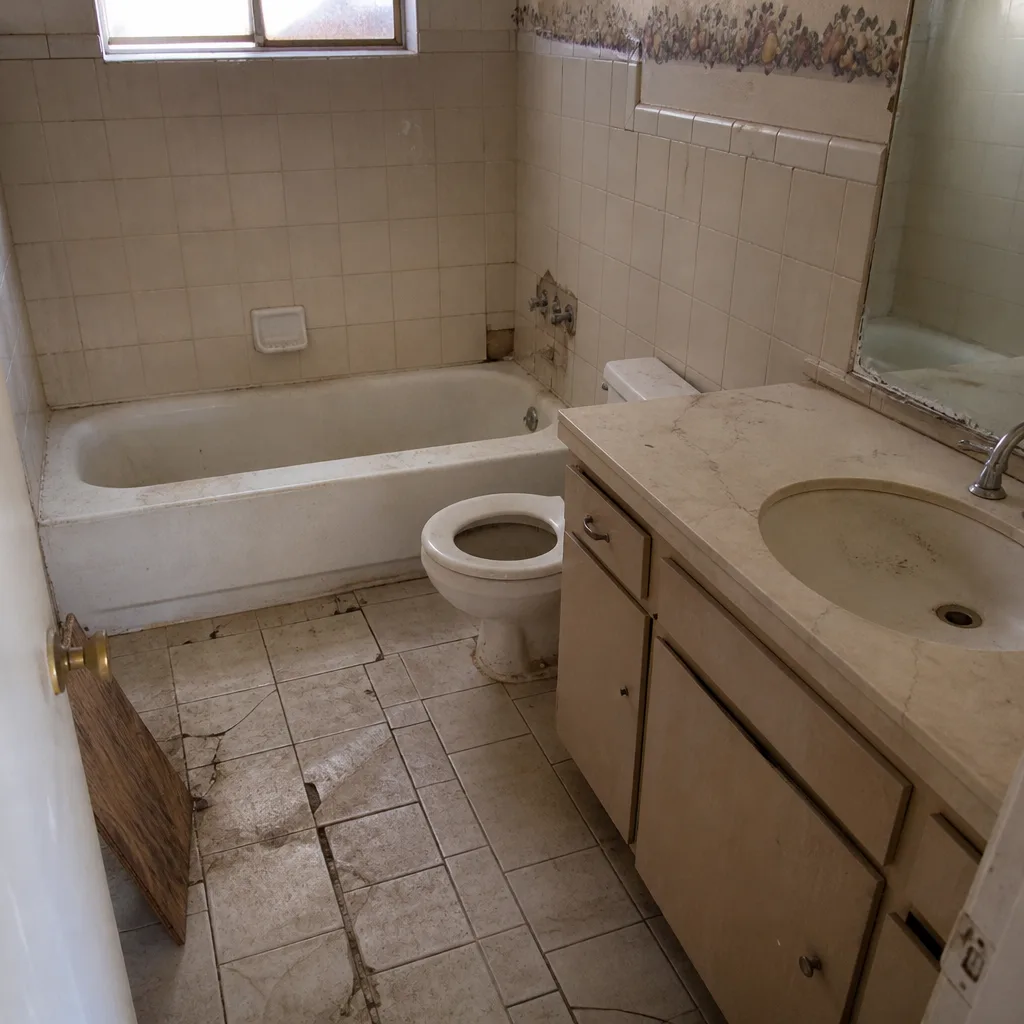 Before
 After
When to Call a Professional

Call a professional the moment your project touches gas, electrical beyond a simple fixture swap, plumbing supply or drain lines, or any wall that might be load-bearing. Call when you’re pulling a permit and want the inspection record clean. Call when the substrate under your tile or cabinets is questionable, because that decision drives everything above it.
And call before you start, not after. A written estimate gives you the real professional price so you can make an informed choice about which lines to DIY. Penhallow Remodeling Boulder City offers free estimates in Boulder City. Our technicians have up to 22 years of experience, they’re background-checked and uniformed, and you’ll get a written guarantee on every project, backed by the 365-Day Done Right Promise. Call (844) 834-9740 and a real person will answer, any hour.
Frequently Asked Questions
It depends entirely on which tasks you take on. DIY saves the most on cosmetic finish work like painting cabinets, hardware, and backsplash tile, often $2,000 to $6,000 on a typical kitchen. DIY costs more than it saves on electrical, plumbing, and structural work once mistakes and inspection failures are factored in. Get a written professional estimate first so you can compare line by line.
Homeowners can pull an owner-builder permit for cosmetic and finish work on their own primary residence, but gas and electrical work still require licensed trades and inspection in Clark County. The owner-builder permit doesn’t make dangerous work safe. Call (844) 834-9740 if you want help sorting out what your specific project requires.
No. Painting cabinets, swapping hardware, and painting walls don’t require a permit. Permits come into play when you move or add electrical, plumbing, gas lines, or structural elements. If you’re unsure whether your project crosses that line, a free estimate will clarify it.
Yes, backsplash tile is one of the safest DIY tasks in a kitchen, as long as the wall behind it is flat, sound, and properly prepped. The risk goes up if the substrate is uneven or the wall is exterior and lacks a moisture barrier. Call (844) 834-9740 for a free estimate if you’d rather have it done right the first time.
Unpermitted work can surface during a buyer’s inspection or a lender’s review, and it can delay or kill a sale until it’s corrected and inspected. In some cases the fix means opening walls you already finished. That’s a large part of why we recommend pulling permits on any rough work, even on a DIY project.
Kitchen remodels in Boulder City typically run $18,000 to $55,000 depending on layout, cabinet line, and countertop material. Cosmetic refreshes with painting and new hardware land on the lower end, while full layout changes with new cabinetry and counters push toward the top. Call (844) 834-9740 for a free written estimate, and estimates are free.
The Bottom Line

The right DIY question isn’t “am I handy enough?” It’s “what does a mistake here actually cost me?” Painting cabinets and tiling a backsplash are good DIY calls. Gas, electrical, plumbing, and structural work aren’t, no matter how confident you feel. The hybrid model lets you save real money on finish labor while keeping the dangerous work licensed and inspected. Get a written professional estimate first, because you can’t measure a saving against a number you never had. If you’re planning a kitchen in Boulder City and want that benchmark, Penhallow Remodeling Boulder City is here to help.
Call (844) 834-9740 to schedule your free estimate. A real person answers any hour, and you’ll get a written price before any work starts.
Written by the team at Penhallow Remodeling Boulder City.