
Last updated November 18, 2026








Free written scope consultation - allowances, timeline, and change-order rules on paper before a single trade is scheduled
DIY vs Professional Home Remodeling: What’s Safe to Do Yourself
A bathroom tile job done yourself can look fine for six months. Then a hidden waterproofing gap rots the subfloor, and the plumber now has to tear out the tile you just set to reach the damage. That’s the part most DIY advice skips: the visible work and the consequential work aren’t the same thing. The right question isn’t “can I do this myself?” It’s “which parts of this project, if done wrong, become someone else’s expensive problem to diagnose?” In this guide, we draw that line by task type, not by skill level, with Boulder City specifics on permits, desert-climate failures, and what you can safely keep off a contractor’s quote.
Quick Answer
Most homeowners can safely handle cosmetic and non-structural work like painting, cabinet hardware, trim, and demolition. Anything that touches waterproofing, plumbing supply or drain lines, electrical circuits, or structural framing belongs with a licensed professional, and in Boulder City several of those tasks legally require one. Draw the line by consequence of failure, not by how handy you feel.
Styles & brands we work with
- Kitchen remodeling
- Bathroom remodeling
- Home additions & ADU
- Roofing
- Windows & doors
- Driveway & pavers
- Fence
Table of Contents
- The Consequence Test: How to Sort Any Task
- What’s Genuinely Safe to DIY
- The Hidden Labor You Don’t See in a Finished Product
- Nevada Permit Triggers in Boulder City
- How to Honestly Evaluate Your Own Skill for a Specific Task
- The Hybrid Approach: Cutting the Quote Without Touching the Core
- Common Mistakes to Avoid
- When to Call a Professional
The Consequence Test: How to Sort Any Task
Sort every task in your project into one of three tiers based on what happens when it fails. This is the only self-assessment that scales, because it doesn’t depend on how confident you are on a given Saturday.
- Cosmetic failure. A bad paint edge, crooked trim, an uneven cabinet pull. The failure is visible, annoying, and costs only your time to redo.
- Costly failure. A tile layout that wastes material, a backsplash that has to come down. You lose money and weekends, but nothing gets damaged behind the wall.
- Consequential failure. Water reaches a subfloor, a circuit overloads, a beam sags, a drain leaks into a ceiling below. The damage compounds silently and the repair bill lands on a specialist who has to diagnose and undo before fixing.
The trap is that Tier 3 tasks often look easy. Setting tile is a Tier 2 task. Building the waterproofed substrate under it is Tier 3, and you can’t tell whether that layer failed until months later. In Boulder City’s dry climate, the failure hides even longer: a slow leak in a shower pan evaporates at the surface and stops announcing itself, so the first sign is often a soft spot underfoot or a stain on the ceiling below. That delayed feedback loop is why the consequence test beats a handiness self-assessment every time. If your mistake won’t show up for six months, that task gets a licensed professional.
What’s Genuinely Safe to DIY
There’s a real and satisfying list here. These tasks save money without putting the structural or waterproof core at risk, and every one of them reduces a contractor’s labor line if you handle it before they arrive.
- Interior painting. Cutting in around trim takes patience, not expertise. In Boulder City’s low humidity, paint dries fast, so watch for lap marks and work in smaller sections.
- Cabinet hardware and pulls. Drilling new holes in existing doors is low-risk if you measure twice. A jig helps.
- Demolition of non-structural finishes. Pulling old cabinet doors, removing flooring, taking out drywall that isn’t load-bearing. Confirm with your contractor what they want left in place before you swing a hammer.
- Trim, baseboards, and caulking. Fast feedback, easy to correct.
- Site prep and cleanup. Clearing the work area, protecting floors, hauling debris. This alone can trim a quote meaningfully.
- Final touch-ups. Filling nail holes, touch-up paint, resealing grout lines after the recommended cure window.
What ties this list together: every task here fails in front of you. You can see the result, judge it, and fix it within the same week. We’ve seen homeowners in Boulder City save $2,000 to $4,000 on a kitchen remodel by handling painting, demo, and cleanup themselves while leaving cabinetry install and plumbing connections to the crew. That’s the model worth copying: take the visible labor, leave the hidden consequences.
The Hidden Labor You Don’t See in a Finished Product
Open a finished wall in a quality remodel and the interesting work is all behind the surface. Substrate prep, flashing, blocking, moisture barriers, framing corrections. None of it shows. All of it determines whether the visible finish lasts.
Take tile. A wall of ceramic looks like the labor is in the setting. It isn’t. The real time goes into the cement board substrate (the moisture-resistant layer behind the tile), the waterproofing membrane over it, taping and sealing the joints, and getting the plane flat before a single tile is laid. Skip any of that and the tile holds for a while, then fails from underneath. The same pattern shows up in siding: the visible lap boards get the attention, but the flashing and house wrap behind them (products like GAF and CertainTeed make the underlayments alongside their roofing lines) decide whether wind-driven rain finds a path in. In Boulder City’s high-desert climate, that matters less for daily rain and more for the intense summer monsoon bursts and the thermal swing between a 105-degree afternoon and a 65-degree night. Materials expand, contract, and find every weak joint.
Other invisible labor worth knowing about:
- Blocking in walls. The wood behind a wall that holds a grab bar, a heavy cabinet, or a TV mount. Skip it and the anchor pulls out six months later.
- Framing corrections. Leveling a floor before laying plank, squaring a wall before tiling, sistering a joist before a heavy countertop goes on.
- Drain slope and venting. Invisible in every sense; you learn it was wrong when the sink gurgles or the shower smells.
When you look at a written quote, the number isn’t just for visible work. It’s for the two-thirds of the job that hides.
Nevada Permit Triggers in Boulder City
Boulder City is one of the more permit-conscious municipalities in the Las Vegas Valley, and part of that comes from being a separately incorporated city with its own building department rather than a Clark County unincorporated area. Local rules vary by project, so verify current requirements with the city’s building department before you start. But there are clear categories where a licensed contractor and an inspection are almost always triggered.
- Electrical. New circuits, panel changes, adding outlets to a kitchen, moving fixtures. Circuit work requires a licensed electrician and inspection in nearly every Nevada jurisdiction.
- Plumbing. Relocating a drain, adding a fixture, replacing a water heater, re-piping. Inspections are standard.
- Structural changes. Removing a wall, adding a beam, cutting a new opening, altering a roofline.
- Additions and square footage changes. Any change to the footprint or conditioned area.
- Major remodels. Kitchen and bathroom remodels that move plumbing, electrical, or reconfigure walls typically require permits even if the footprint stays the same.
What happens if you skip them matters as much as the rules themselves. Unpermitted work becomes a disclosure problem when you sell. A buyer’s inspector flags it, the buyer’s lender may refuse to fund until it’s resolved, and you end up paying for a retroactive permit plus the cost to open and re-close walls so an inspector can see what was done. Some insurers also decline claims on damage originating from unpermitted electrical or plumbing work. The mistake is expensive in the moment it’s discovered, and the discovery often happens years after the work was finished.
Licensed crews pull the permits, book the inspections, and hand you the signed-off paperwork. If you’re hiring a general contractor in Boulder City for the technical core of your project, that paperwork trail is part of what you’re paying for.
How to Honestly Evaluate Your Own Skill for a Specific Task
“I’m fairly handy” is not a useful assessment. It’s a mood. Here’s a structured way to measure yourself against one task before you commit.
- Have you done this exact task before, successfully, more than once? Not a similar task. This one. Hanging drywall is not tiling. Installing a faucet is not roughing in a drain line.
- Do you have the specific tools, or are you borrowing them? Tile saws, wet saws, and torque wrenches aren’t improvised tools. If the right tool costs more than the labor you’d save, that’s an answer.
- Can you explain the failure modes? If you can’t describe how waterproofing, slope, or circuit load works, you can’t judge your own work against the standard.
- What’s the cost of the worst realistic failure? If a bad day means a rotted subfloor, a flooded ceiling, or a fire hazard, the task exceeds your skill slot regardless of confidence.
- Can you get an inspection or a second opinion on the result? If no one can check the result without tearing it open, you need a pro in the first place.
A practical test: watch a full start-to-finish video of the specific task, not a highlight reel. If the video shows steps you don’t understand or tools you’d have to buy, that’s the honest boundary. Our technicians have up to 22 years of experience, and most of that time is spent on tasks no video can teach you in an afternoon.
The Hybrid Approach: Cutting the Quote Without Touching the Core
The most defensible way to save money is to take the labor that’s visible and reversible, and leave the technical core with the licensed crew. This isn’t a compromise. It’s the structure the quote is built around anyway.
Ask for a written quote with labor itemized by phase. Then decide what to keep and what to hand to the crew. Here’s the split we see work reliably:
- You take: demolition of non-structural finishes, protecting floors and furniture, clearing debris between phases, painting walls and ceilings, installing cabinet hardware, final touch-ups.
- The crew keeps: waterproofing, substrate prep, plumbing rough-in and final connections, electrical work, cabinetry installation (mis-set base cabinets cause every door above them to bind), countertop templating and install, tile setting on shower floors and walls.
Talk it through with your contractor before demo day, because the sequence matters. Pulling a kitchen apart before the crew has measured for cabinets and countertops can force a re-measure, which adds a week. A solid written price is one of the reasons The Kingswell Way puts the number down before any work starts: “Say the price before the work. Show up in the window we gave. Leave the place cleaner than we found it.” A written price lets you compare what each phase actually costs and decide where your weekends go.
Common Mistakes to Avoid
- Treating tile as a cosmetic task. The tile is cosmetic. The waterproofing membrane under it is structural. Boulder City’s dry air hides slow leaks, so the failure surfaces later and further from the source.
- Skipping permits to save a few hundred dollars. The unpermitted work becomes a seller’s problem, a lender’s problem, or an insurance problem. The discovery cost is always higher than the permit fee.
- Demolishing before the contractor has measured. Cabinets, countertops, and tile layouts are ordered from measurements of the actual space. Tear out first and you may need a second measure.
- Buying materials yourself to save the markup, then getting no warranty. Products from recognized trade brands (KraftMaid and Wellborn cabinetry, Cambria and Silestone countertops, Kohler and Moen fixtures) often carry their own material warranty when installed by a licensed contractor. A homeowner-purchased faucet installed by the homeowner usually carries a much narrower one.
- Installing your own base cabinets because they’re just boxes. Base cabinet installation looks simple. Mis-level a cabinet by a quarter inch and every drawer above it binds, the countertop template is thrown off, and the mistake spreads.
- Ignoring the “who’s going to fix it” question. A licensed contractor’s work comes with a written guarantee. Yours doesn’t. If your tile job fails in month seven, you have a weekend of re-doing and no one to call. Ours comes with the 365-Day Done Right Promise in writing.
- Doing electrical you don’t fully understand because it’s “just a light.” Circuit loads, box fill, and grounding rules exist for reasons that show up as fire, not as frustration.
See the difference
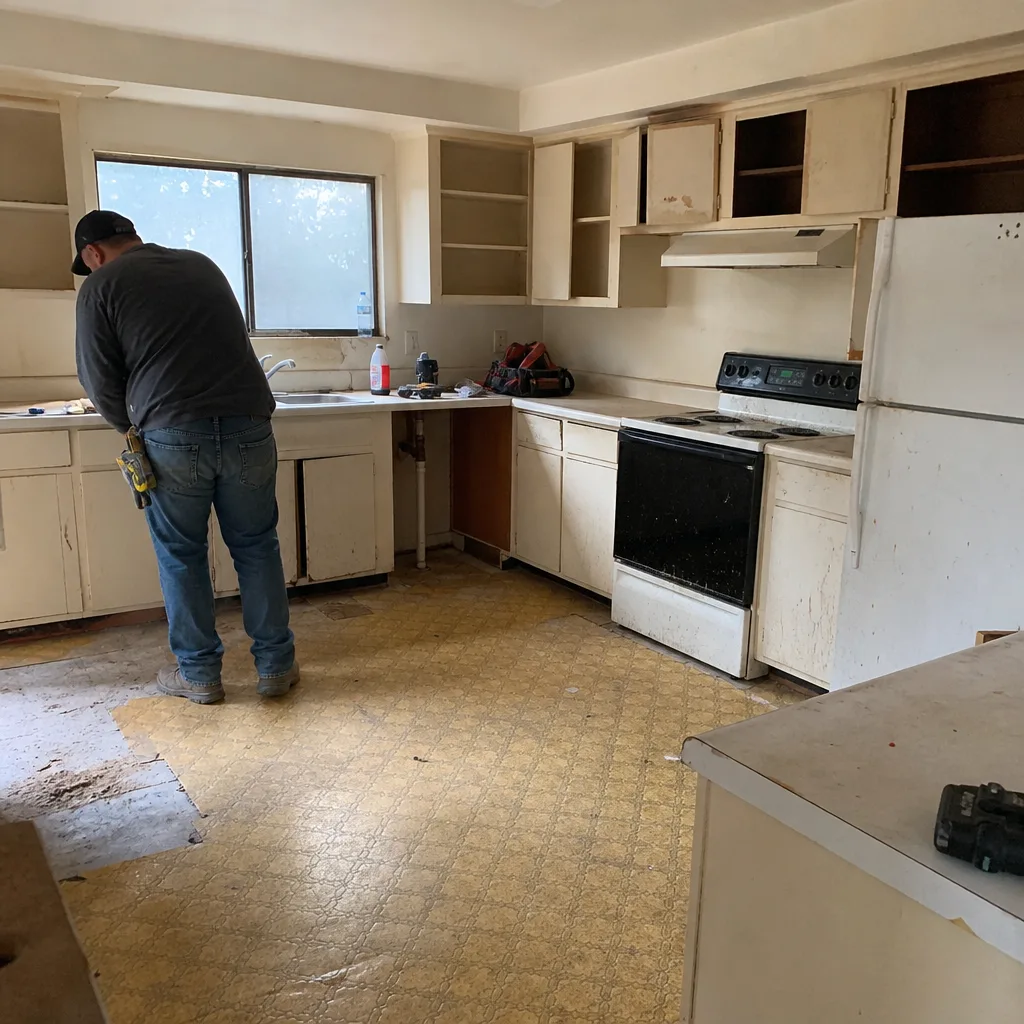 Before
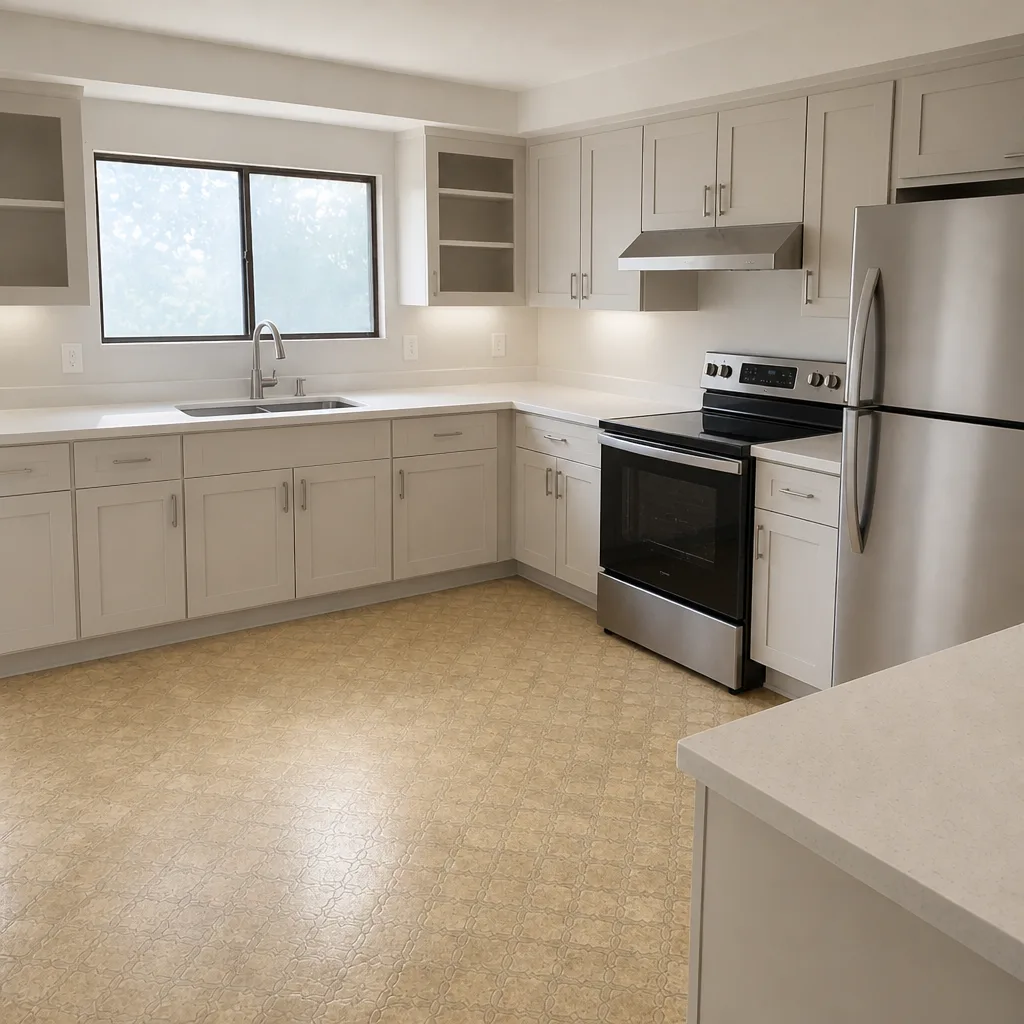 After
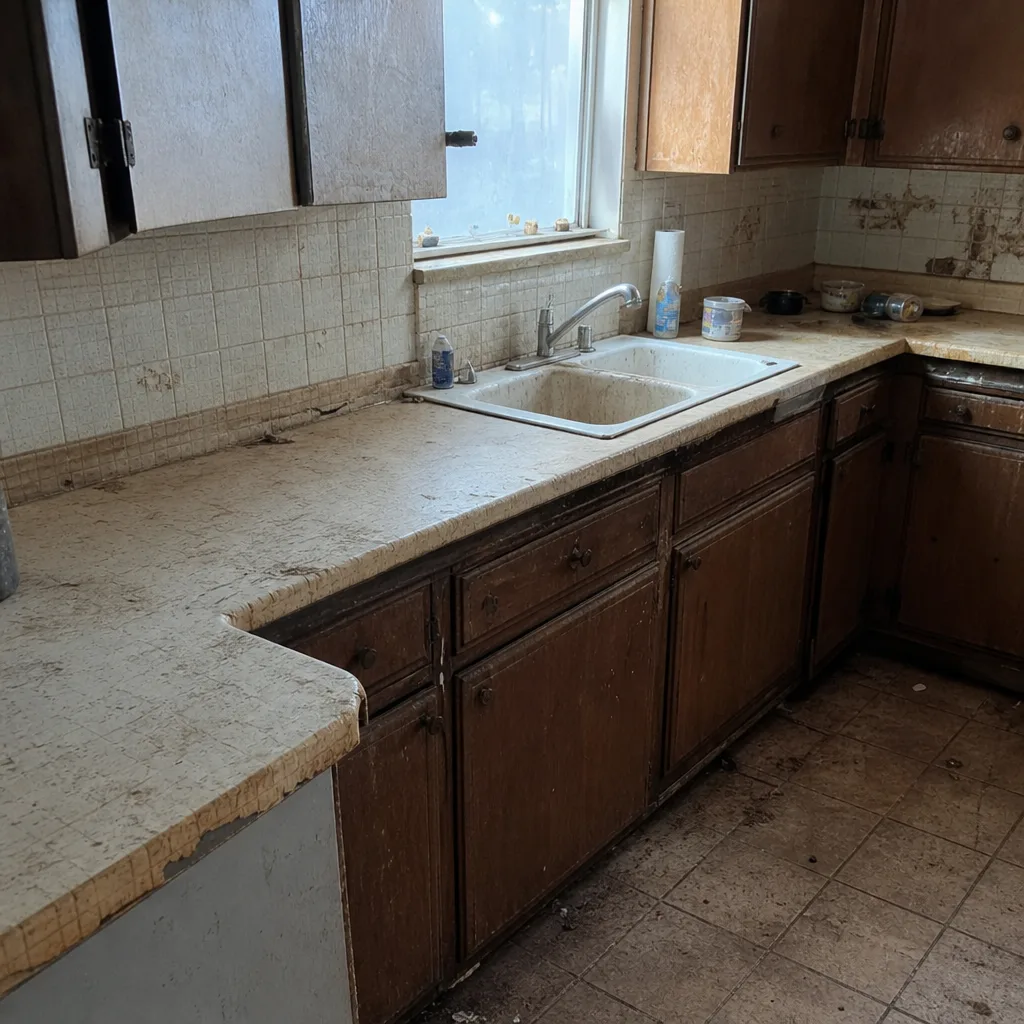 Before
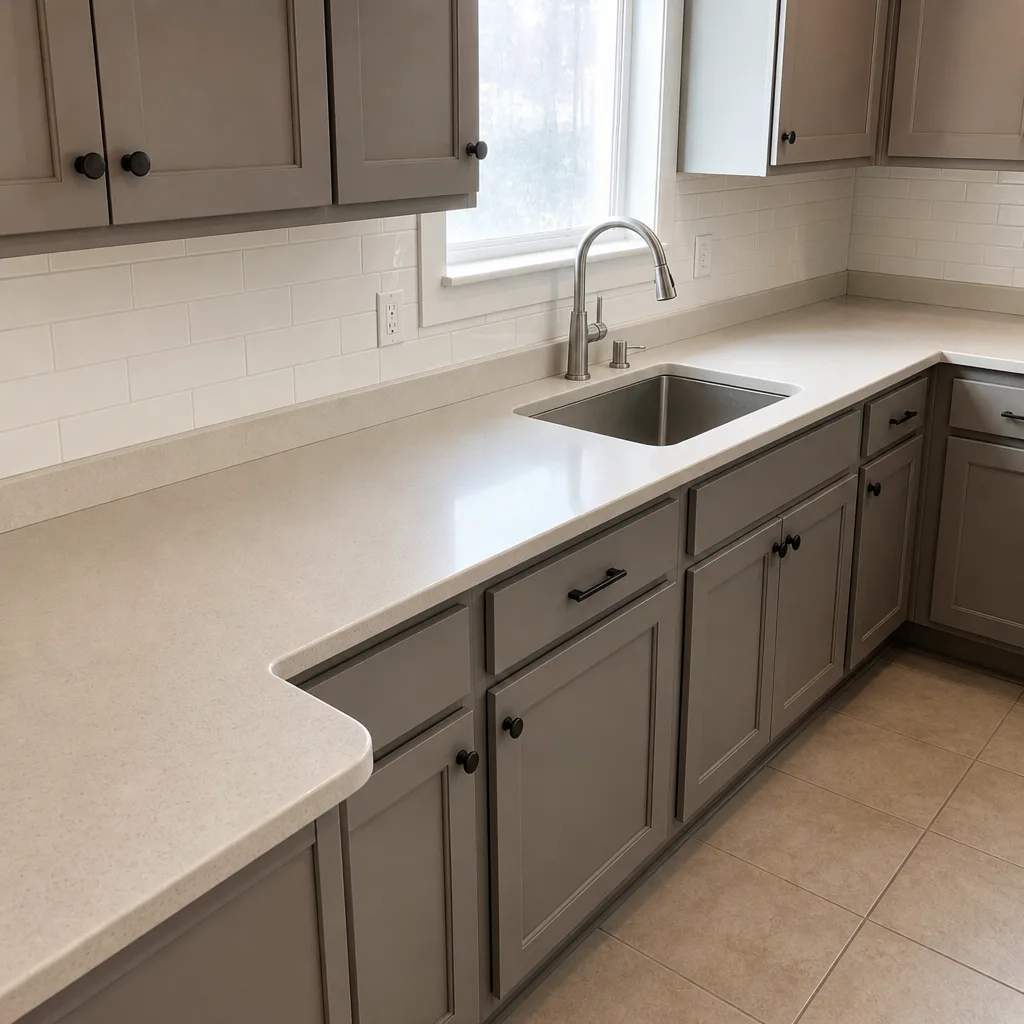 After
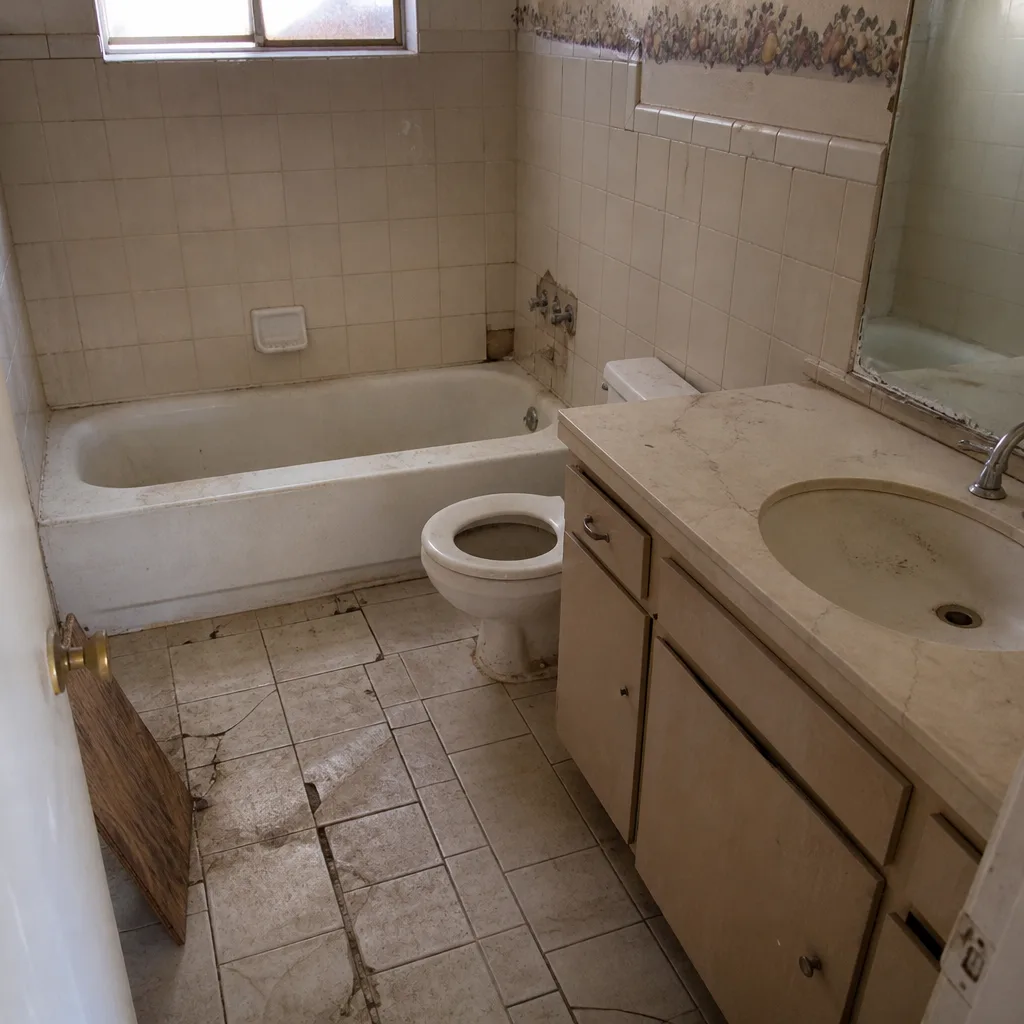 Before
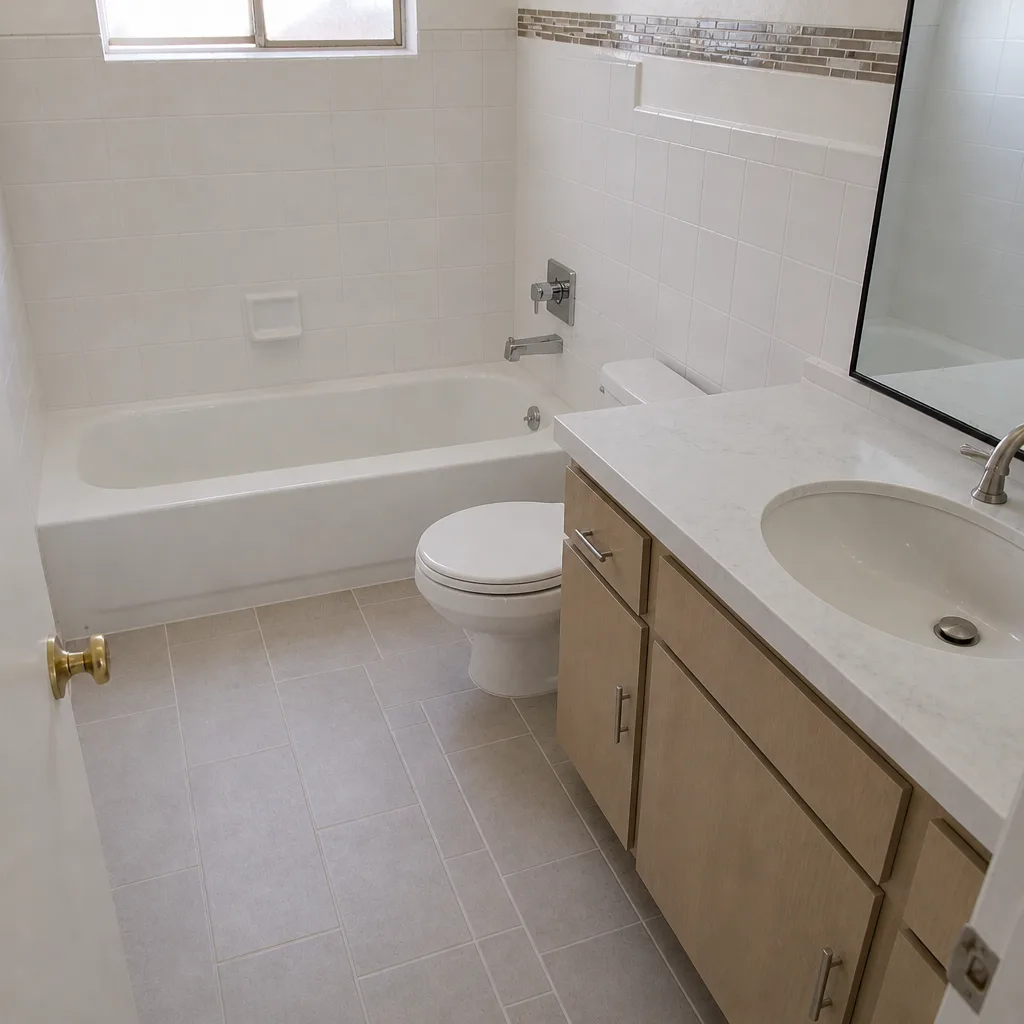 After
When to Call a Professional

Call a licensed contractor the moment a task touches waterproofing, plumbing, electrical, structural framing, gas, or anything that requires a permit and inspection. Also call when the failure would be invisible until serious damage has already happened, or when your own honest skill test says you’d be learning on the job. For a kitchen or bath remodel, that’s usually the plumbing rough-in, the electrical, the substrate, and the cabinetry install. For a whole-home project, it’s most of the job. If you want to keep demo, painting, and cleanup in your hands, a written quote with labor itemized will show you exactly what that saves.
If you’re planning a remodel in Boulder City, our kitchen remodeling in Boulder City and bathroom remodeling in Boulder City teams walk through the split as part of the quote, so you see which phases are genuinely yours to keep. Penhallow Remodeling Boulder City offers free estimates in Boulder City, with a written price before any work starts. Call (844) 834-9740 to schedule yours. If you’d rather see the full picture of what we do first, the Penhallow Remodeling Boulder City home page lays it out.
Frequently Asked Questions
You can set the tile, but the waterproofing under it should be done by a licensed professional. Tile itself is a cosmetic finish; the membrane, substrate, and slope beneath it are what prevent a slow leak from rotting the subfloor. If you set tile yourself, have a pro do the waterproofed substrate first, and use material from a recognized brand so the finished surface has a real warranty behind it.
Usually yes, if you’re moving plumbing, adding or relocating electrical, or changing walls. Cosmetic-only changes like painting, hardware, and replacing cabinets in the same footprint may not require a permit, but local rules vary by project, so confirm with the city’s building department before starting. Skipping a required permit creates a disclosure and financing problem when you sell.
Disconnecting the sequence by demolishing before the contractor has measured. Cabinet and countertop orders depend on measurements of the space in its finished condition, and tearing out early can force a re-measure and a delay. Always have the written quote in hand and the sequence agreed before demo day.
Homeowners typically save $2,000 to $4,000 on a mid-size kitchen remodel by handling painting, demolition, and cleanup. Cabinet installation, plumbing, electrical, tile substrate, and countertop install aren’t worth diying for most homeowners because the failure cost exceeds the savings. A written quote with labor itemized by phase makes the split visible.
The warranty covers the work the contractor performed, not the homeowner’s portion. If a leak traces back to your demo or your waterproofing, the fix isn’t covered. If a failure traces to the crew’s install, it is, and that’s where the 365-Day Done Right Promise applies: if the work fails inside the guarantee period, we come back and fix it at no charge.
Painting, yes. Cabinets, generally no. Base cabinet installation looks simple but is the task that mis-leveling spreads to the countertop, the doors, and every drawer. Cabinet install is one of the phases most worth leaving to a crew. Painting, on the other hand, is a genuine low-risk saving in Boulder City’s dry climate, where paint dries quickly.
The Bottom Line

Draw the DIY line by consequence, not by confidence. Cosmetic and visible labor (painting, hardware, trim, demolition, cleanup) is safe to keep and reduces your quote. Waterproofing, plumbing, electrical, structural work, and anything requiring a permit belongs with a licensed professional, and in Boulder City the permit requirements are real and enforceable at sale. A written quote that itemizes labor by phase is the tool that makes the split visible. Ask for it before you pick up a sledgehammer, and you’ll know exactly which weekends are yours to spend on the project.
Written by the team at Penhallow Remodeling Boulder City.