
Last updated November 18, 2026








Free written scope consultation - allowances, timeline, and change-order rules on paper before a single trade is scheduled
Kitchen Remodeling Warning Signs Every Homeowner Should Know
A contractor who delays sending you a written contract is not busy. They are telling you, in the clearest possible way, how they will handle disputes later in the job. That single piece of paperwork, or its absence, predicts more about your remodel than any showroom visit or portfolio photo ever will. By the time most homeowners realize their kitchen project is in trouble, they’ve already paid a large deposit and the contractor has gone quiet. The warning signs were there much earlier, and they almost always showed up in the paperwork, not the workmanship. This guide walks through the signals we’ve watched play out across Boulder City kitchens, from small galley updates to full layout changes, so you can spot trouble before you hand over a check.
Quick Answer
The biggest warning signs of a bad kitchen remodeling contractor are: a request for a deposit well above Nevada’s legal limit, reluctance to pull permits, evasive answers about who is doing your plumbing and electrical, requests for extra money before scheduled milestones, and a “guarantee” that’s just a marketing phrase with no written terms. Any one of these is a reason to slow down. Two or more together is a reason to walk away before demo day.
Styles & brands we work with
- Kitchen remodeling
- Bathroom remodeling
- Home additions & ADU
- Roofing
- Windows & doors
- Driveway & pavers
- Fence
Table of Contents
- The Deposit Size Signal
- Permit Avoidance Tactics and What They Really Mean
- The Subcontractor Transparency Test
- Mid-Job Financial Pressure
- What a Real Written Guarantee Looks Like
- The Paperwork Red Flags Homeowners Miss
- Boulder City Climate and Material Warnings
- Common Mistakes to Avoid
The Deposit Size Signal
Nevada limits how much a licensed residential contractor can collect as a down payment before work begins. Under state rules, a contractor generally cannot request more than a set percentage of the total contract price upfront, and the exact cap depends on the contract value. When a contractor asks for half the job total in cash before a single cabinet is ordered, that request is doing two things at once: it’s breaking the rule, and it’s telling you their cash flow is thin.
Here’s how to read the deposit number:
- Reasonable deposit: A percentage that covers real material ordering (cabinetry, countertops, tile) and stays within Nevada’s limit. Ask what the deposit actually pays for and get it in the contract.
- Warning zone: A deposit that’s requested in cash, with no written contract, “to hold your spot.” There is no slot to hold. This is a cash-flow request dressed up as scheduling.
- Red flag: A request to pay the majority of the job before materials are ordered. If the contractor needs your whole budget to buy your cabinets, they don’t have the working capital to finish your kitchen.
In our experience across Boulder City, the deposit conversation is where honest contractors and struggling ones part ways fastest. A confident contractor puts a written price in front of you and explains what each payment milestone covers. That’s the standard we hold ourselves to: a written number on day one that matches the number on the invoice.
Permit Avoidance Tactics and What They Really Mean
Permits exist to protect you, not the contractor. When a contractor steers you around them, they’re transferring liability onto your shoulders and hoping you won’t notice until you sell the house. Watch for these exact phrases:
- “It’s just cosmetic.” Moving a sink, adding an outlet, relocating a gas line to a new range, or knocking out a wall to open the kitchen all touch systems that require inspection. Cosmetic covers paint and hardware. It does not cover plumbing, electrical, or structural changes.
- “The inspector won’t care.” The inspector cares. What the contractor means is that an inspector would catch something they’d rather not fix.
- “We’ll handle it, you don’t need to sign anything.” If the permit isn’t pulled under your address with your name on it, you have no record that the work was inspected.
- “Pulling a permit just slows us down.” Permit timelines are a known part of the job. A contractor who plans around them isn’t slowed down. A contractor who skips them is cutting corners you’ll pay for later.
Unpermitted work surfaces during a home sale, an insurance claim, or a future remodel, and Boulder City building officials will require it to be brought up to code, often at your expense. Ask directly: “Will you pull the permits, and will you show me the inspection sign-offs?” A real contractor says yes without flinching. We pull permits and pass inspections as a standing practice, and we put that in writing.
The Subcontractor Transparency Test
Kitchen remodels involve plumbing, electrical, and often gas work. Ask the contractor one simple question: “Who is doing my plumbing and electrical, and are they licensed?” The answer tells you almost everything.
A confident contractor names the tradespeople, confirms they’re licensed, and puts their scope in the contract. An evasive contractor says “we handle everything in-house” or “don’t worry about it” or “the guys are covered.” Evasion here means one of two things: the subs aren’t licensed, or the contractor doesn’t want you to know how many hands are actually in your kitchen.
In our experience, this test is where homeowners get burned by people they trusted. A subcontractor who isn’t licensed and bonded leaves you holding the liability if something goes wrong. The confident answer sounds like a specific list of who does what, with credentials you can verify. If you can’t get that answer before signing, get it before you sign anything else.
Mid-Job Financial Pressure
The pattern: a contractor asks for money before a scheduled payment milestone, usually with a reason like “we need to pay the cabinet supplier” or “the crew needs to be paid this week.” Sometimes the request has a real cause. Often it signals that the contractor is using your deposit to pay for a previous job, and your project is now funding the next one.
Before you hand over any mid-job money, do three things:
- Check your written contract for the payment schedule. If the request doesn’t match a milestone, ask why in writing.
- Ask what the money is for, specifically. “Materials” is not an answer. “The KraftMaid cabinet order, due Tuesday” is.
- Get a written change order before you pay, signed by both of you, showing what changed and why.
If extra-money requests start arriving before the first milestone, the contractor is managing cash flow, not your kitchen. That pattern rarely improves. Our written-price standard exists for exactly this reason: the number on day one is the number on the invoice, and no mid-job pressure appears out of nowhere.
What a Real Written Guarantee Looks Like
A guarantee that says “satisfaction guaranteed” is a slogan. A real written guarantee answers five questions:
- How long does it last? A specific duration, in writing, not “lifetime” with no definition. Ours is the 365-Day Done Right Promise: if it’s not done right, we make it right, backed in writing on every project.
- What’s covered? Labor, materials, both, and which specific systems. Is your countertop covered? Your tile? Your plumbing connections?
- What’s excluded? Honest guarantees say what they don’t cover. “Acts of nature” and “normal wear” are standard; vague catch-alls that exclude everything are not.
- How do you file a claim? A phone number, a process, and a response window. Ours is simple: a live person answers 24/7, and if a repair fails, you get a free return visit with no service call and no re-inspection fee.
- Is it in the contract? A guarantee outside the contract isn’t binding. Ours is on every project, in writing, before work starts.
Homeowners in Boulder City who’ve been burned before know the difference between a real guarantee and a phrase. Material warranties stack with it: we install Cambria quartz, which carries its own warranty alongside ours, so your protection has more than one layer.
The Paperwork Red Flags Homeowners Miss
Most of this guide is about paperwork because that’s where the trouble shows up first. Watch for these:
- No written contract before demo day. Any delay in sending a written contract is telling you how disputes will be handled.
- Change orders by text message. Verbal or text-only change orders let a contractor adjust the price later with nothing you can hold them to.
- No start date or defined arrival window. A written window, from a real person answering the phone, is part of the deal, not a courtesy.
- Cash-only requests. A contractor who wants cash “to avoid the paperwork” is skipping more than paperwork.
We write the price and the guarantee before work starts, and we put an arrival window in writing. That’s The Kingswell Way: say the price before the work, show up in the window we gave, and leave the place cleaner than we found it.
Boulder City Climate and Material Warnings
Boulder City sits in the Mojave edge, with dry summers that regularly push past 100 degrees and winter nights that dip near freezing. That swing matters for your kitchen materials. Cabinet lines and countertop choices behave differently in dry desert air than they do in humid regions. Wood cabinets can shift and show fine cracks at joints when interior humidity stays very low. Tile set on a poorly prepped cement board substrate (the moisture-resistant layer behind your tile) can crack when the substrate moves. Unsealed stone countertops absorb stains more quickly in this climate.
When a contractor quotes you a flat number with no discussion of materials, substrate prep, or expansion, that’s a warning sign specific to our area. A good estimate for a Boulder City kitchen names the cabinetry line, the countertop material, and the prep behind the tile. Look for lines like KraftMaid or Wellborn cabinets, and Cambria, Silestone, or Caesarstone counters, because recognized materials come with their own warranties.
Common Mistakes to Avoid
- Hiring on price alone. The lowest bid often hides a bigger number in change orders. Compare written, line-item quotes, not verbal ballparks.
- Paying a large deposit without a contract. A deposit with no written scope is a deposit with no guarantee attached to it.
- Skipping permits to save time. In Boulder City, unpermitted work becomes your problem at sale or claim time, and it’s often costly to fix.
- Not asking who does the electrical and plumbing. If the tradespeople aren’t licensed, the liability lands on you.
- Accepting a “satisfaction guaranteed” phrase. Ask for the written terms: duration, what’s covered, what’s excluded, and how to file a claim.
- Paying when a contractor asks before a milestone. Get a written change order and a specific reason before any mid-job payment.
- Handling a gas line or electrical panel yourself. These are genuinely dangerous. A live person on the phone from a licensed, insured professional is the right answer, and it’s worth the call.
See the difference
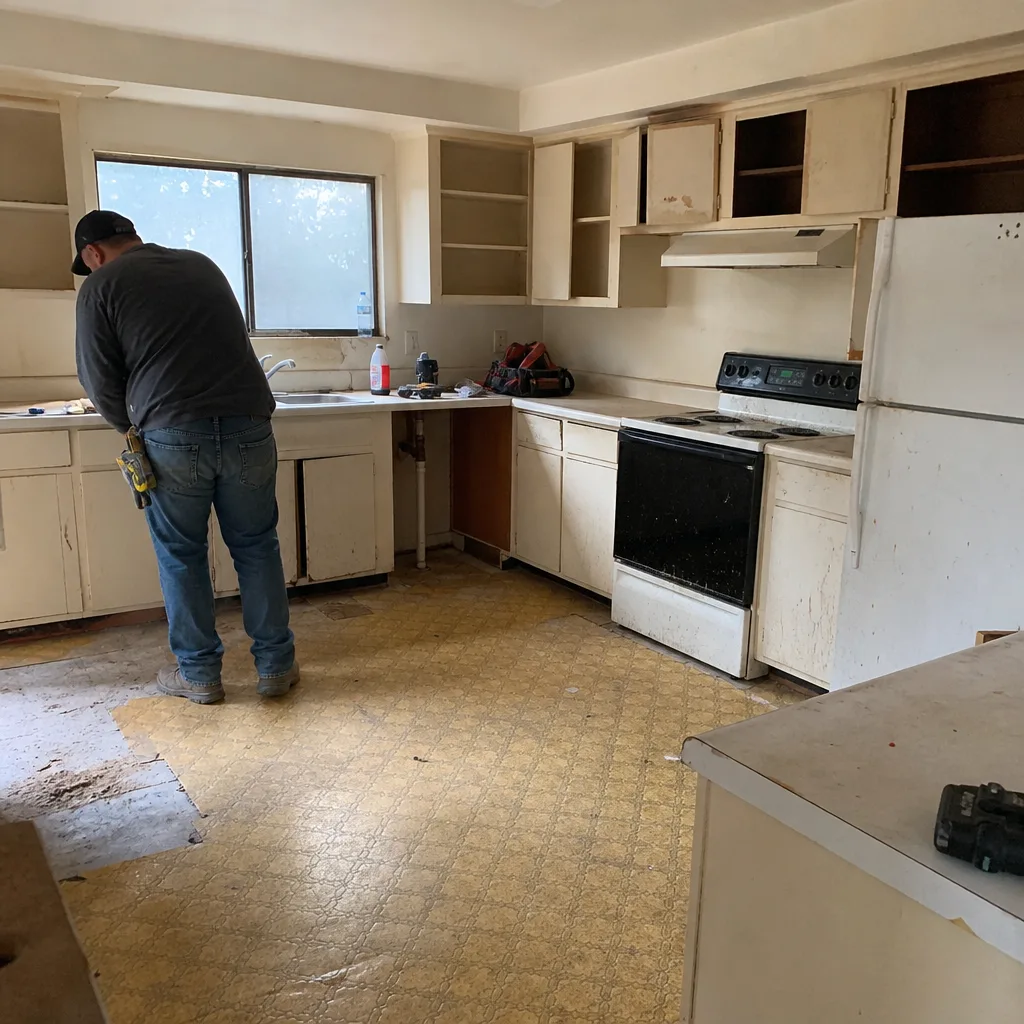 Before
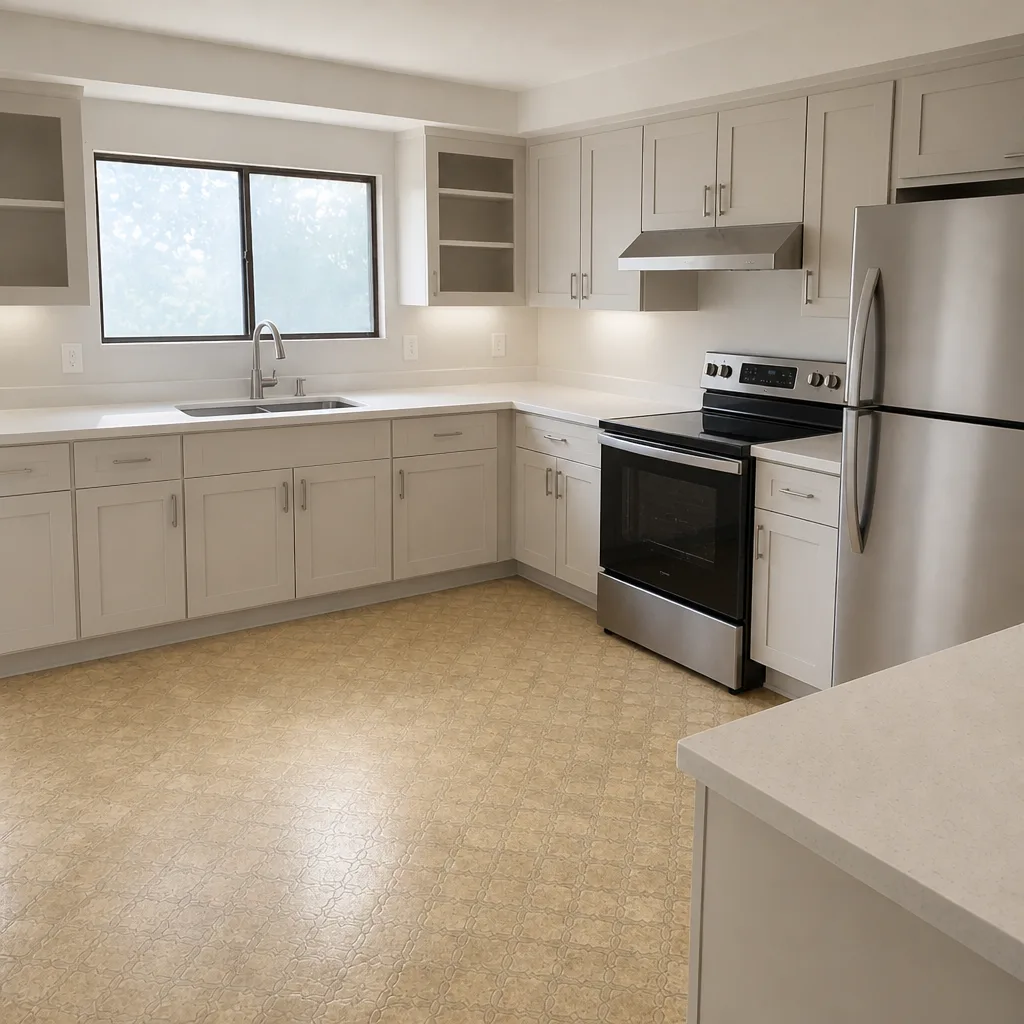 After
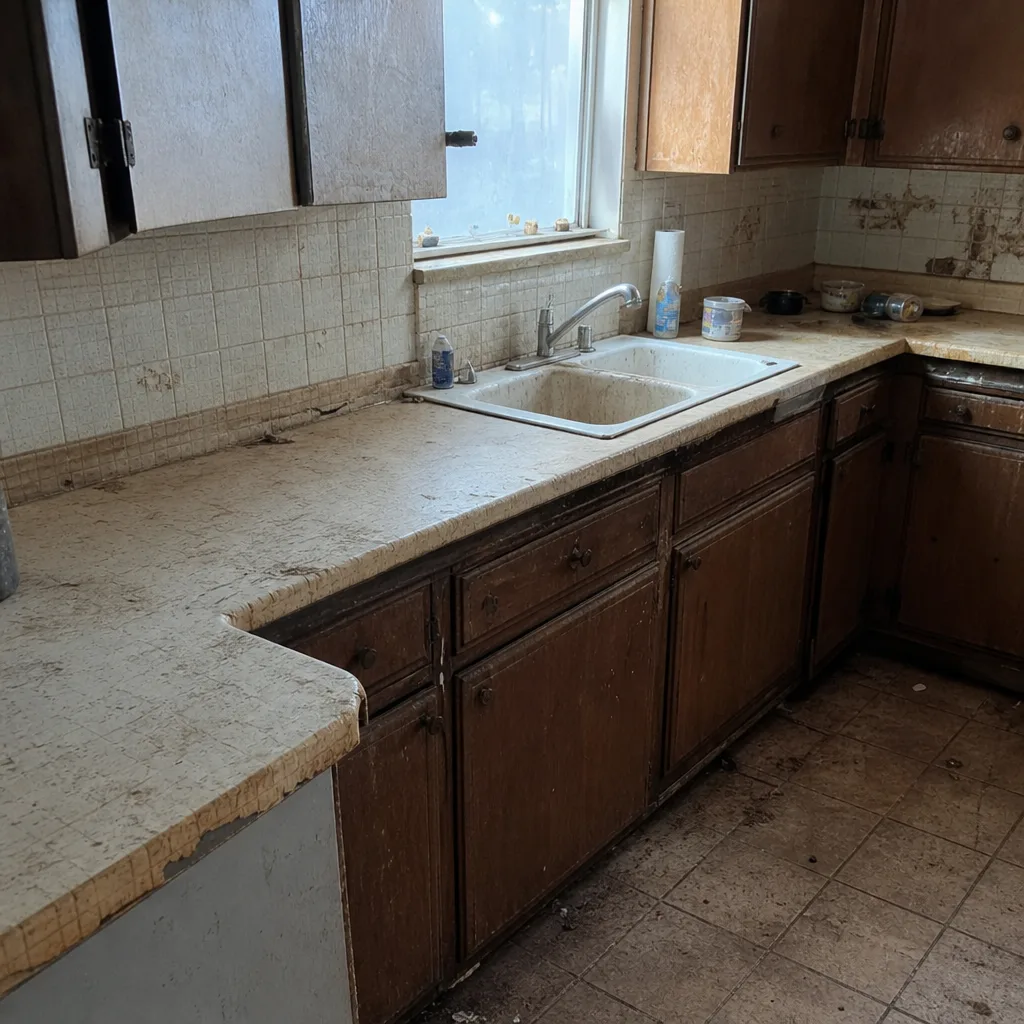 Before
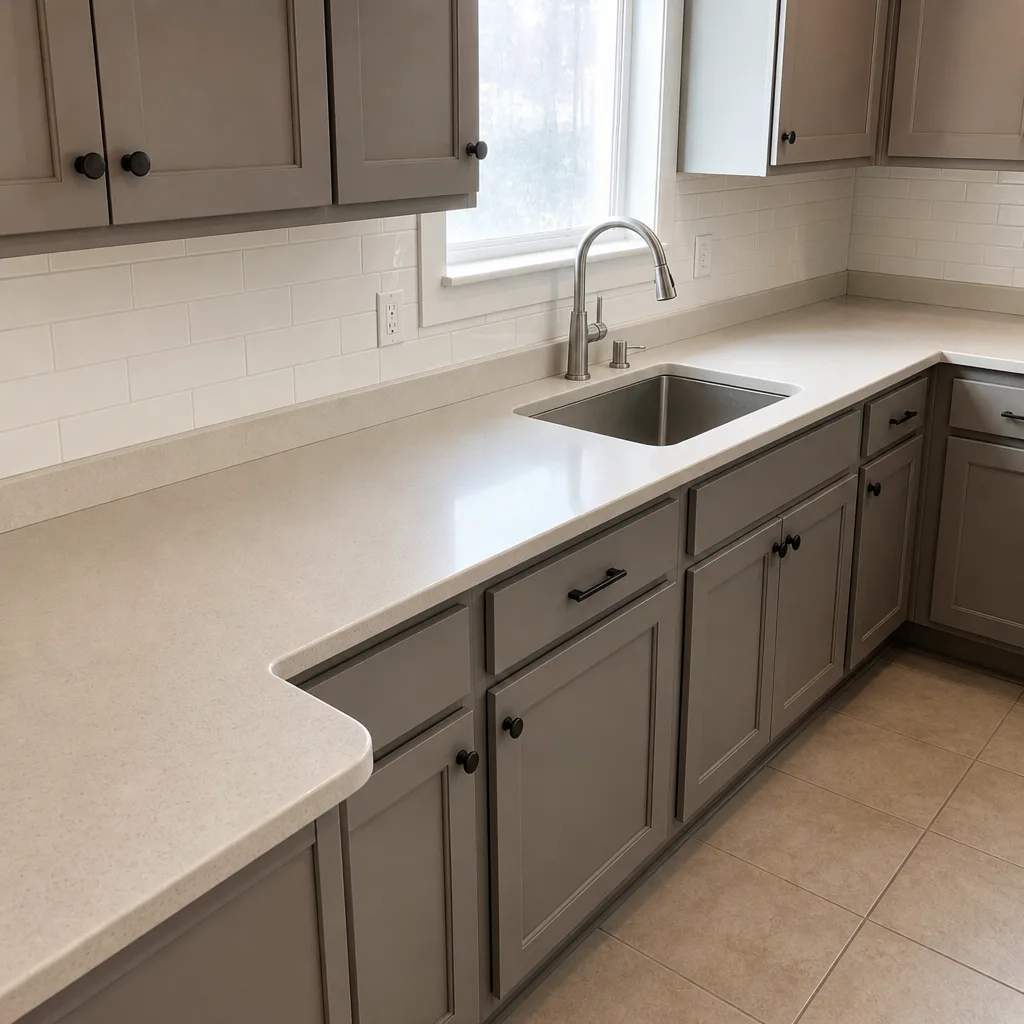 After
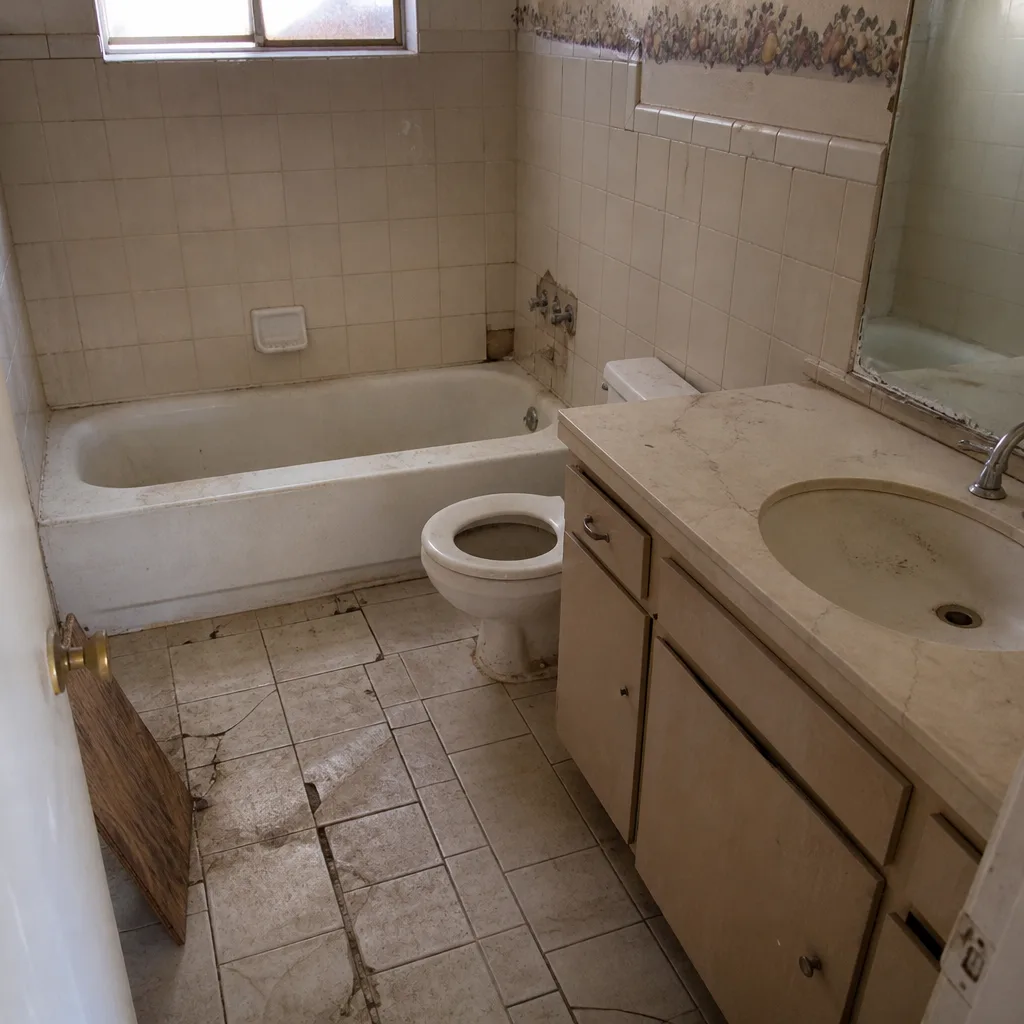 Before
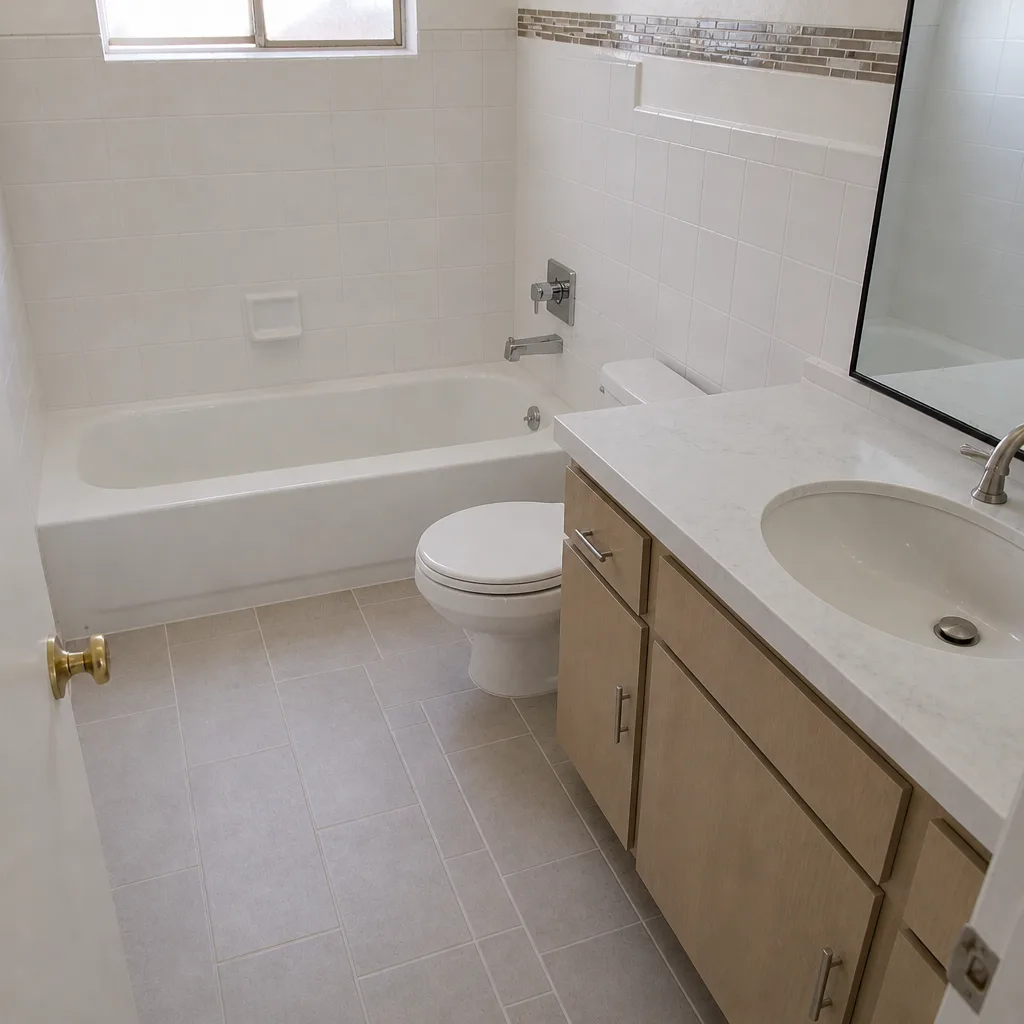 After
When to Call a Professional
Call a professional before you sign anything if any of these sounds familiar: a contractor asking for cash with no written contract, a proposal that skips permits, evasive answers about who’s handling your plumbing or electrical, or a “guarantee” that’s just a phrase. Call if you’re unsure whether a proposed layout change needs an inspection, or if a previous contractor left unpermitted work behind. And call immediately if a plan calls for you or an unlicensed helper to touch a gas line or an electrical panel, because those two jobs carry real injury risk. Penhallow Remodeling Boulder City offers free estimates in Boulder City – call (844) 834-9740 and we’ll walk through the warning signs on your project, in writing.
Frequently Asked Questions

The single biggest warning sign is a contractor who delays sending a written contract. A delayed contract predicts how they’ll handle disputes later in the job. Request a written scope and price before demo day, and treat any delay as a serious signal.
Call us if you want a written number you can hold a contractor to. Estimates are free: (844) 834-9740.
Kitchen remodels in Boulder City typically run $18,000 to $55,000 depending on layout, cabinet line, and countertop material. A smaller update with refaced cabinets and a stone counter sits near the low end; a full layout change with new appliances, plumbing relocation, and an expanded footprint lands near the top. Call us for a written, line-item price before any work starts.
Nevada limits upfront deposits on residential contracts, and the cap depends on the contract value. A contractor asking for a majority of the job in cash before materials are ordered is a red flag. Ask for the written contract that shows exactly what the deposit pays for.
Call us and we’ll explain what the written milestones look like on a Boulder City kitchen.
A written price should not change unless the scope changes, and any change should come as a signed written change order before work continues. Verbal or text-only adjustments are a warning sign. Our standard is a written price on day one that matches the invoice: no surprise mid-job requests.
Call us for a written price you can hold us to: (844) 834-9740.
Yes, if your project touches plumbing, electrical, gas, or structural elements. Cosmetic work like paint and hardware may not require a permit, but relocating a sink, adding outlets, or removing a wall do. Ask the contractor to show you the inspection sign-offs, and call us if you want an honest read on your project’s permit requirements.
No. A real written guarantee states a duration, what’s covered, what’s excluded, and how to file a claim. A phrase with no written terms isn’t binding. Our projects come with the 365-Day Done Right Promise and a free return visit if a repair fails, both in writing.
Call us to see what a written guarantee looks like on paper.
The Bottom Line
Kitchen remodel warning signs almost never start in the workmanship. They start in the paperwork: a delayed contract, a deposit above Nevada’s limit, a proposal that skips permits, a vague answer about who’s doing your electrical, or a request for money before a milestone. Catch them early and you save yourself the most expensive kind of remodel, the one you have to do twice. Take our Kitchen Remodeling in Boulder City page as a starting point, and explore our broader Penhallow Remodeling Boulder City home page for the full picture. If you want a written price and a written guarantee on a Boulder City kitchen, call (844) 834-9740 for a free estimate. We’ll put the number in front of you before anyone picks up a tool. Our technicians have up to 22 years of experience, and we treat every job like the one we’d want in our own home.
Written by the team at Penhallow Remodeling Boulder City.