
Last updated November 18, 2026








Free written scope consultation - allowances, timeline, and change-order rules on paper before a single trade is scheduled
How to Hire a Construction Contractor in Boulder City: A Step-by-Step Guide
A verbal estimate is a promise with no address. It can’t be checked, compared, or enforced, and yet it’s the only thing many homeowners walk away with before a remodel starts. Boulder City sits inside the tightest housing and labor picture in Clark County: the town holds a fixed historic core, the old housing stock runs to the 1930s, and contractors licensed to work here are fewer than what Henderson or Las Vegas pulls from. That scarcity pushes homeowners to lock someone in fast – and the moment you skip the paperwork is the moment costs grow legs. This guide walks you through hiring a construction contractor in Boulder City the way a cautious neighbor would: verify the license, demand the written estimate, read the guarantee, then sign.
Quick Answer
To hire a construction contractor in Boulder City, verify the contractor’s Nevada State Contractors Board license in about three minutes, get a written estimate that names scope, materials, start and end dates, payment schedule, and warranty terms, and confirm the workmanship guarantee in writing before work begins. Compare at least two written bids line by line, never rely on a verbal ballpark, and make sure any down payment is tied to a written schedule. The single step most homeowners skip – getting the price and guarantee in writing up front – is the step that separates a straightforward remodel from an expensive dispute.
Styles & brands we work with
- Kitchen remodeling
- Bathroom remodeling
- Home additions & ADU
- Roofing
- Windows & doors
- Driveway & pavers
- Fence
Table of Contents
- Step 1: Verify the Nevada Contractor License
- Step 2: Get a Written Estimate, Not a Verbal Ballpark
- Step 3: Compare Two Written Bids Like an Appraiser
- Step 4: Understand Boulder City’s Permit and Code Landscape
- Step 5: Read the Guarantee Before You Sign
- Step 6: Know the Payment Schedule and Never Pay in Full Up Front
- Step 7: Vet the Crew Coming Into Your Home
- Boulder City Red Flags to Watch For
Step 1: Verify the Nevada Contractor License in Under Three Minutes
Nevada takes contractor licensing further than many states, and it’s the first thing to check. The Nevada State Contractors Board (NSCB) requires a license for any project over $1,000 in combined labor and materials, and it issues licenses by classification. That matters because a license that covers one trade isn’t a license for a full remodel. A general contractor classification (A or B) can pull a whole-house permit; a specialty classification (C-3 for cabinets, C-18 for fencing, and so on) covers only that trade and can’t lawfully run a kitchen down to the studs.
Here’s the three-minute routine:
- Ask the contractor for their license number in writing, on the estimate or a business card. A legitimate contractor will hand it over without hesitation.
- Look them up on the NSCB’s online license search. You’ll see classification, status (active or suspended), and expiration date.
- Confirm the classification matches the scope. A “B” general building classification fits most remodels; a “C” specialty classification does not cover whole-room work.
- Check for complaints and disciplinary history. An active license with a pattern of complaints is a different risk than a clean one.
What Nevada licensing doesn’t cover is just as important. A valid license doesn’t guarantee the contractor carries a current workmanship warranty in writing, and it doesn’t prove the job site will be clean at the end of each day. Licensing is the floor, not the ceiling. In our experience, homeowners who stop at “yes, they’re licensed” and skip the estimate review end up exactly where most disputes start.
One local note: a valid Nevada license carries across the state, but a Boulder City job has its own physical constraints – narrow lots in the Historic District, older plumbing that wasn’t built to modern code. Ask whether the contractor has worked in town before. Experience in Henderson is a different animal. Our own team operates this way when we connect you with a local contractor: license verified first, written price second, and no crew shows up until both are in place.
Step 2: Get a Written Estimate, Not a Verbal Ballpark
A written estimate is the single document that separates a straightforward remodel from a fight over the final invoice. A verbal ballpark is not that document. Before any work starts, every homeowner should hold a written price. Not an estimate range, not “somewhere around,” a written number you can hold the contractor to.
Here’s what a written estimate must include before it’s worth the paper it’s on:
- Scope: Exactly what’s being removed, replaced, and left alone. “Kitchen remodel” is not scope; “remove existing cabinets to substrate, install KraftMaid maple cabinets, replace countertops, retain existing plumbing rough-in” is scope.
- Materials specification: Brand, line, and finish. “Quartz countertop” is not a specification; “Cambria quartz, 3cm, color named on the attached sheet” is. Naming the product protects you against a substitution mid-job.
- Start and end window: A defined window, not “sometime in spring.” A real arrival window you can plan around.
- Payment schedule: Tied to milestones, not dates. More on that in Step 6.
- Warranty terms: What’s covered, how long, and what happens if something fails. A vague “we stand behind our work” is not warranty language.
If you’re remodeling a kitchen or a bath, the material specification is where the money lives. We install Cambria, Silestone, and Caesarstone countertops and set Kohler and Moen fixtures, and we put the model number on the estimate so there’s no ambiguity at the counter. Whatever brand you choose, the point is the same: the estimate should let you look up every product and comparison-shop it if you want to.
Anyone who says “I’ll give you a number after demo” is running a business model, not making an honest confession of uncertainty. Demolition reveals hidden conditions – true – but a professional prices the visible scope in writing and separately addresses contingency items (rot, subfloor, hidden rough-in) with a documented change order before proceeding. That’s the standard. A verbal estimate that suddenly changes after demo day has no paperwork trail to disagree with.
Step 3: Compare Two Written Bids Like an Appraiser
Two bids for the same kitchen rarely come to the same number, and that’s not a problem – the difference is a question to answer. The worst move is to pick the lower number and call it a day. The right move is to read both line by line and find out what the difference actually represents.
Compare in this order:
- Scope lines first. Line up what each bid says is included and excluded. A bid that’s $8,000 lower often excludes something the other one includes (permit pull, disposal, site cleanup, cabinetry hardware).
- Materials second. Same brands on both? If one quotes a mid-grade cabinet line and the other a premium line, the price gap is legitimate – about 20 – 35% on the cabinetry portion alone. Same brand, different number is the red flag.
- Labor and contingency next. A bid that includes a contingency line (say, 10% for hidden conditions) is more honest than one that doesn’t. The contractor who priced zero contingency will find the missing money after demo.
- Timeline last. A cheaper bid with a five-month schedule against a pricier one at two months isn’t cheaper for anyone who’s living in the house during the work.
Boulder City’s tight housing market adds a wrinkle here. Contractor availability runs thin, and it’s tempting to compare a firm bid against a “maybe we can get to it in spring” handshake. Don’t. A written bid with a defined start window is worth more than a lower number with no schedule attached. When we connect Boulder City homeowners with local pros, the comparison we recommend is a start window, end window, and written price on both bids before anyone’s signature goes on paper.
Step 4: Understand Boulder City’s Permit and Code Landscape
Permits are one of the most common places a remodel goes sideways in Boulder City, and it’s not the contractor’s fault – it’s the town’s own rules. Boulder City operates as an independent municipality with its own building department, separate from Clark County. That means a contractor who pulls permits routinely in Las Vegas may not know the local process. Ask directly: “Do you pull the permits and schedule the inspections, and are those steps listed on the bid?”
The local picture that matters for permits:
- The Historic District. Exterior changes in the historic core (roughly the neighborhoods flanking Nevada Way and the older streets near the Boulder Dam Hotel) go through additional review before a building permit is issued. Windows, siding, roof profiles, and additions all need to clear that review, and a contractor who’s never done it will underbid the timeline.
- Older housing stock. Homes built during the dam-construction era often have plumbing and electrical that predates modern code. A kitchen or bathroom remodel routinely requires bringing rough-in up to current code, and that’s a real cost line – ask where it sits on the bid.
- Local code over county code. Boulder City’s building department sets its own inspection sequence and has its own review timelines. A contractor new to town may tell you “the county handles that,” which is a small signal they haven’t worked here.
Nevada also requires the contractor to carry a current license at permit pull time, and the permit is typically in the licensed contractor’s name. If a contractor asks you to pull the permit yourself as the homeowner, that’s a structural problem: it moves the code responsibility onto you and can complicate any future warranty claim on the work.
For homeowners planning a larger scope, our general contractor in Boulder City page covers how full-project permits are sequenced. For kitchen and bath remodels, our Boulder City kitchen remodeling and bathroom remodeling in Boulder City pages go deeper on the permit sequence you’ll see in each room.
Step 5: Read the Guarantee Before You Sign
“We stand behind our work” is a sentence, not a guarantee. A real workmanship guarantee says four things: what’s covered, how long the coverage lasts, what triggers a call-back, and who pays for it. If it doesn’t say all four, it’s not a guarantee – it’s a slogan, and slogans don’t fix a tile that cracked four months after install.
Here’s the difference between the two, side by side:
- Vague: “We stand behind our work and care about quality.” Specific: “If any workmanship defect appears within 365 days of completion, we return and correct it at no cost to the homeowner.”
- Vague: “We’ll do our best to make it right.” Specific: “Call-back requests are answered within one business day, and a return visit is scheduled in the same window we quote.”
- Vague: “Our quality speaks for itself.” Specific: “The guarantee is delivered in writing with the estimate, and the terms are listed on the final contract page.”
The 365-day standard is where Penhallow operates: every job carries a 365-Day Done Right Promise, where a defect within that window means a return visit at no charge. It’s included with every project, in writing. We name it plainly rather than leaving it to interpretation, because homeowners who’ve been burned once don’t want to hear “we care about quality” – they want to know exactly what happens if something fails and exactly how much it costs to get it fixed. The answer under a real guarantee is: nothing.
One more thing to ask: does the contractor’s guarantee cover labor only, or does it also cover materials? Materials from major brands often carry their own manufacturer warranty – Cambria quartz, for example, carries its own lifetime warranty that runs alongside any workmanship promise. Ask whether the contractor will handle manufacturer claims on your behalf if something fails. That’s a small detail that matters at year two.
Step 6: Know the Payment Schedule and Never Pay in Full Up Front
The payment schedule is the part of the bid most homeowners skim, and it’s where they get hurt. A contractor who asks for 50% down before a single cabinet is ordered carries all the leverage; if the work stalls, you’re out the deposit and chasing a schedule. Nevada’s contractors board expects deposits to be reasonable and tied to actual work and materials being delivered.
Sound payment practice looks like this:
- A modest deposit at signing – enough to cover the permit pull and initial material order, not the whole job. Get the deposit and its purpose in writing.
- Milestone payments. Each payment is tied to a specific completion point (demo complete, rough-in passed inspection, cabinets set, final clean), not to a calendar date.
- Final payment at punch-list completion. Hold the final payment until the punch list is finished and you’ve walked the job. A contractor who demands full payment on handover is telling you where their priorities sit.
If you’re budgeting for a large project, real dollar ranges help you spot a suspiciously low number. In this region, kitchen remodels typically run $18,000 – $55,000 depending on layout, cabinet line, and countertop material; bathroom remodels run $9,000 – $28,000 depending on tile, fixture, and whether the rough-in moves. Whole-home remodels run considerably higher. A contractor quoting half those numbers on a like-for-like scope is either cutting materials, cutting corners, or planning to add the difference in change orders. Ask which.
Also ask: will the price change once work starts? Under the Kingswell standard, every job starts with a written price, which means the number on day one and the invoice at the end should match – unless you approved a documented change order in advance. That’s the whole game.
Step 7: Vet the Crew Coming Into Your Home
The contractor you hire rarely swings the hammer; their crew does. In small-market towns like Boulder City, subcontractor networks are tight, and the team in your house may have worked for several local contractors. That’s normal. What isn’t normal is not knowing who’s in your home.
Ask these four questions directly:
- Are technicians background-checked? A plain yes or no. Vague answers – “we’ve known the crew for years” – don’t count.
- Do they arrive in uniform with company identification? It matters in a town where neighbors check on each other’s houses.
- Who is my single point of contact during the job? A name and role, not “the office.”
- What’s the guarantee on labor if the same crew comes back for a fix? Should match the original workmanship warranty.
For Boulder City in particular, consider the climate. Summer heat crosses 110°F, and we regularly see grout and exterior caulk fail early when crews work during the hottest stretches without adjusting curing time – a Colorado River windstorm dusts up an uncovered substrate in a single afternoon. The best contractors schedule Boulder City work in early mornings and cover subfloor and substrate between shifts. That’s a small practice that tells you whether the crew has actually worked here before.
Boulder City Red Flags to Watch For
Small-market dynamics are specific. In a larger metropolitan area, there’s usually another licensed contractor down the street to call. In Boulder City, the local pool is thinner, and that pressure produces its own set of warning signs:
- “I’ll give you a number after demo.” This isn’t an honest limitation. It’s a business model that lets the contractor set the price after your kitchen is torn apart and you’ve got no leverage to push back.
- Verbal-only estimates with no product names. “Quartz countertops” and “premium cabinets” without brands mean you don’t know what you’re buying, and you can’t compare bids line-to-line.
- No written start or end window. A contractor who can’t commit to a date in writing hasn’t committed to anything.
- Cash-only requests with no receipt trail. Payments should be documented and tied to milestones.
- Pressure to sign and start Monday. Real contractors in town book weeks out. Pressure to start instantly usually means they’re racing a schedule problem on the last job.
- “We stand behind every job” with no terms. Ask for the guarantee in writing, and watch how they respond. A confident contractor says yes. A nervous one changes the subject.
- No local permit experience. If the contractor doesn’t know the Boulder City Historic District review sequence, they’ll underbid the timeline and pass the delay on to you.
See the difference
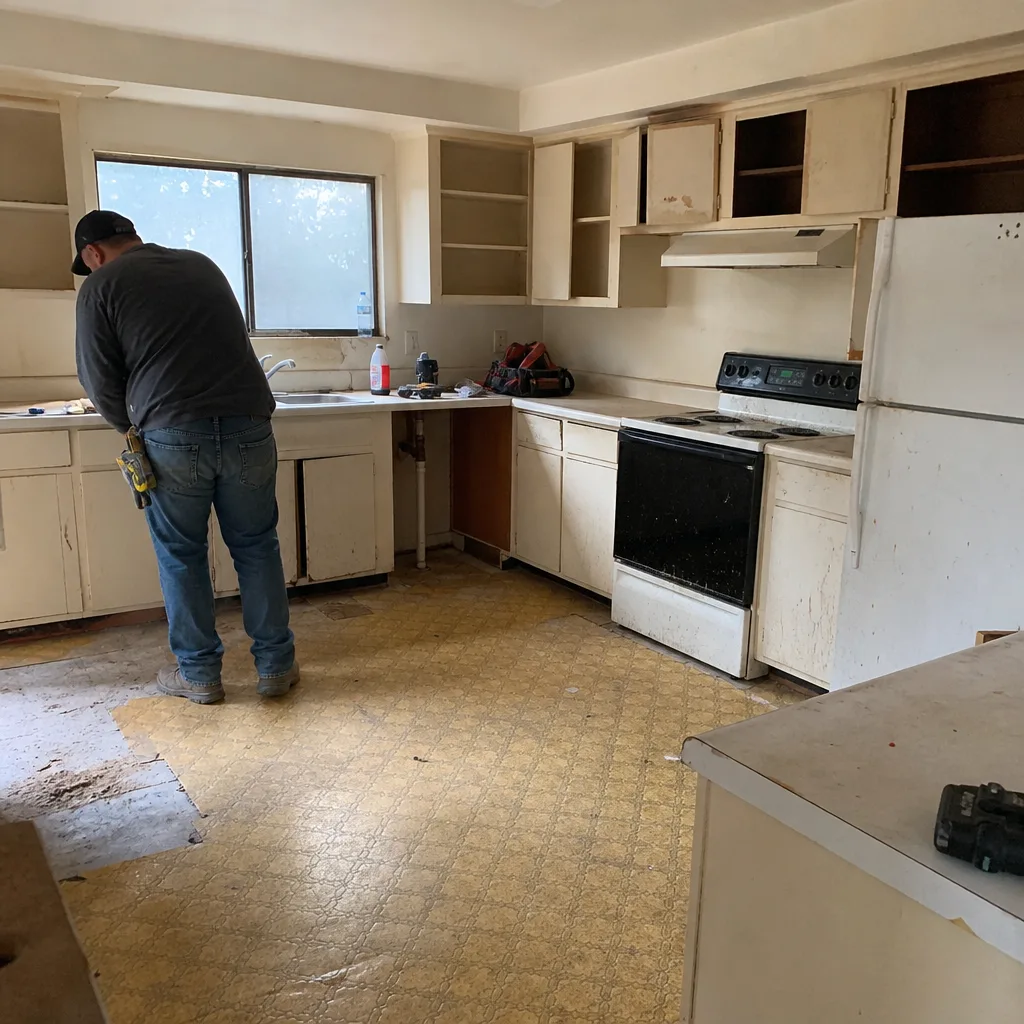 Before
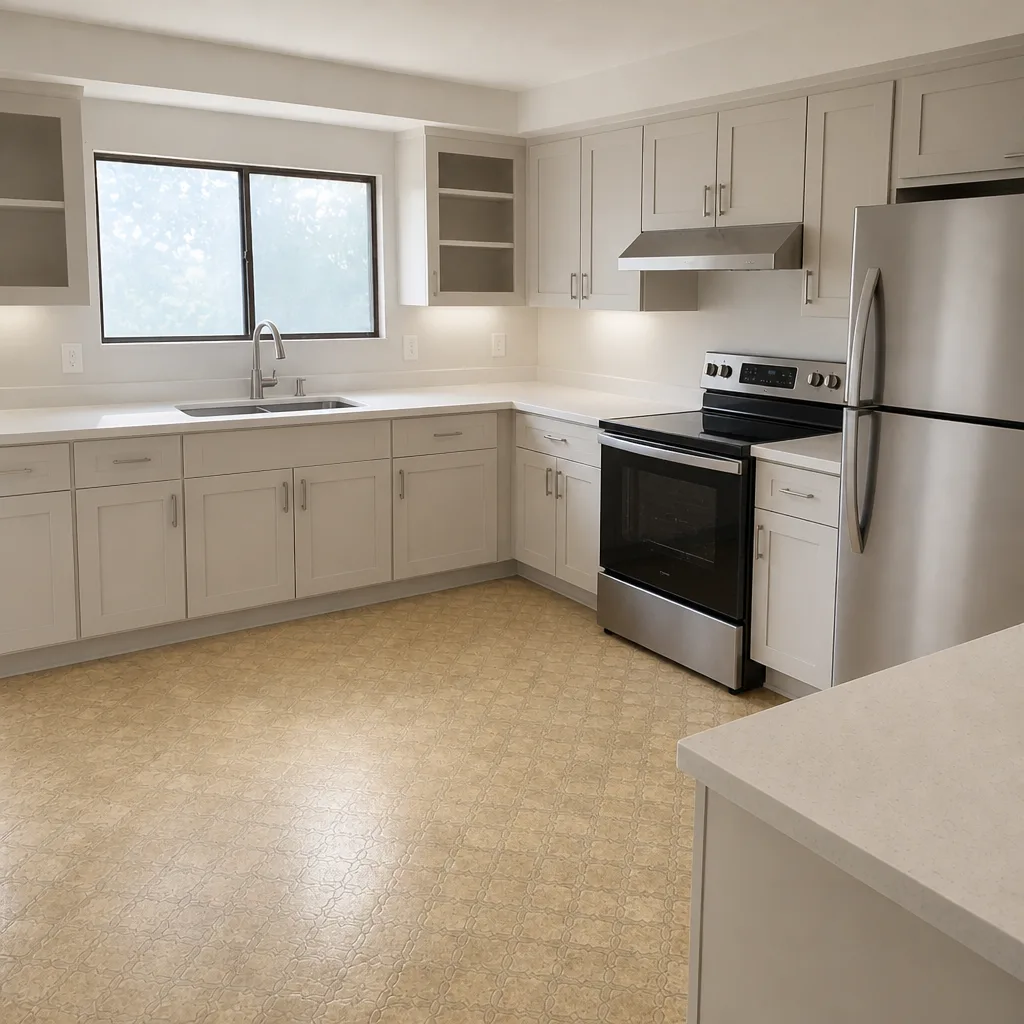 After
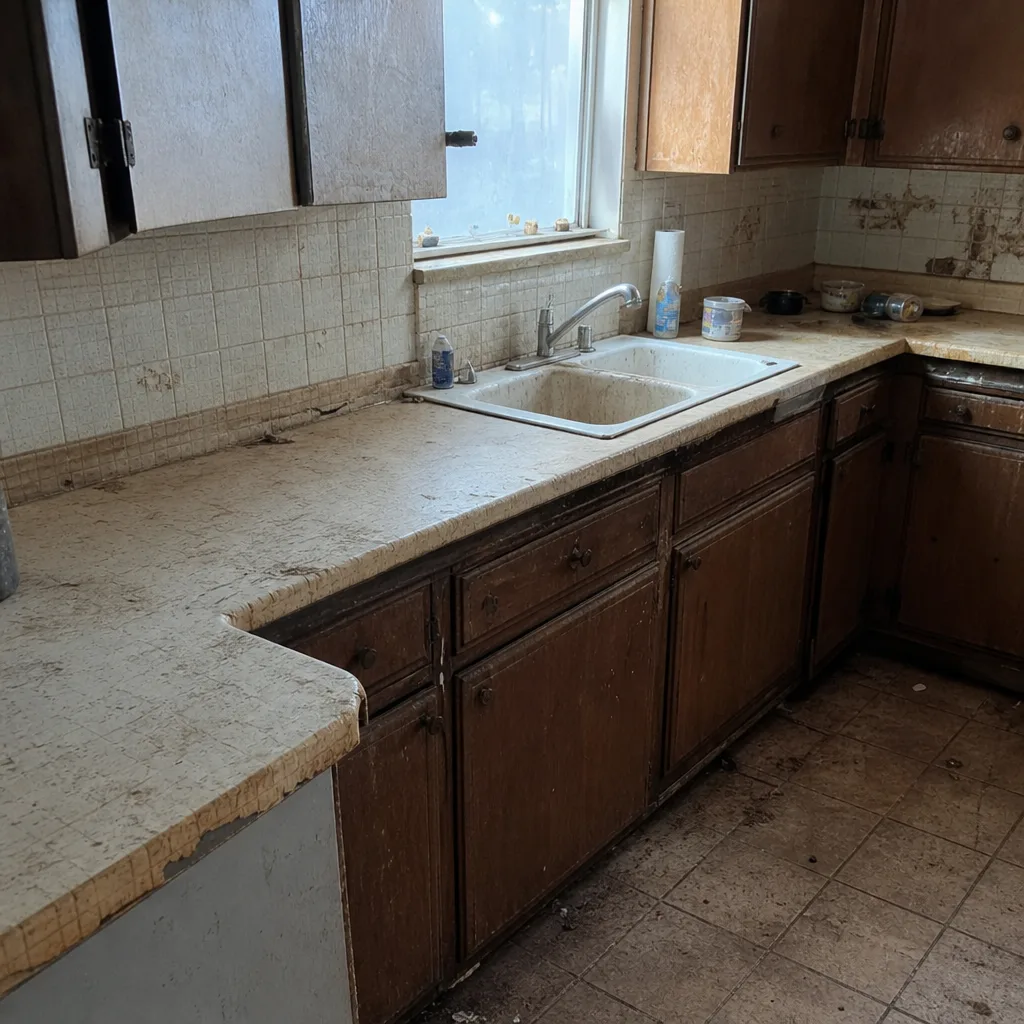 Before
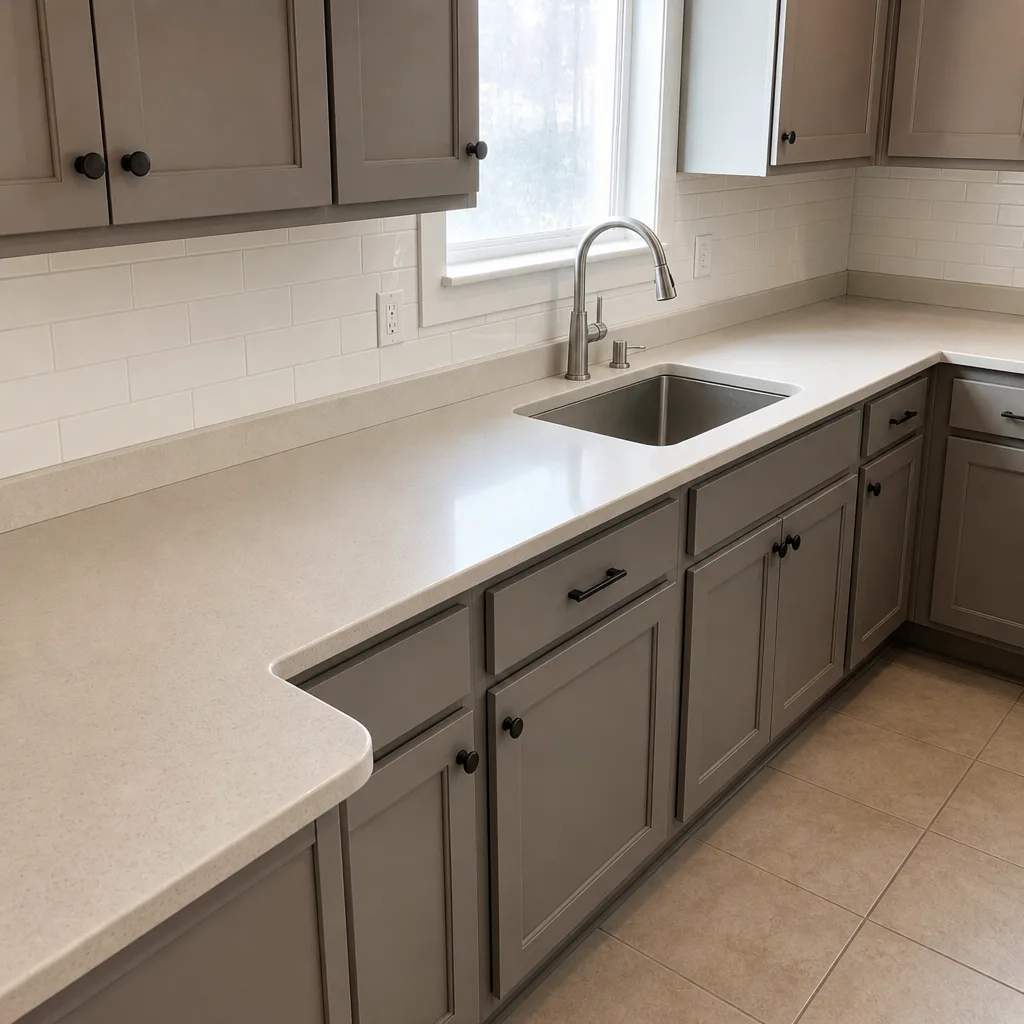 After
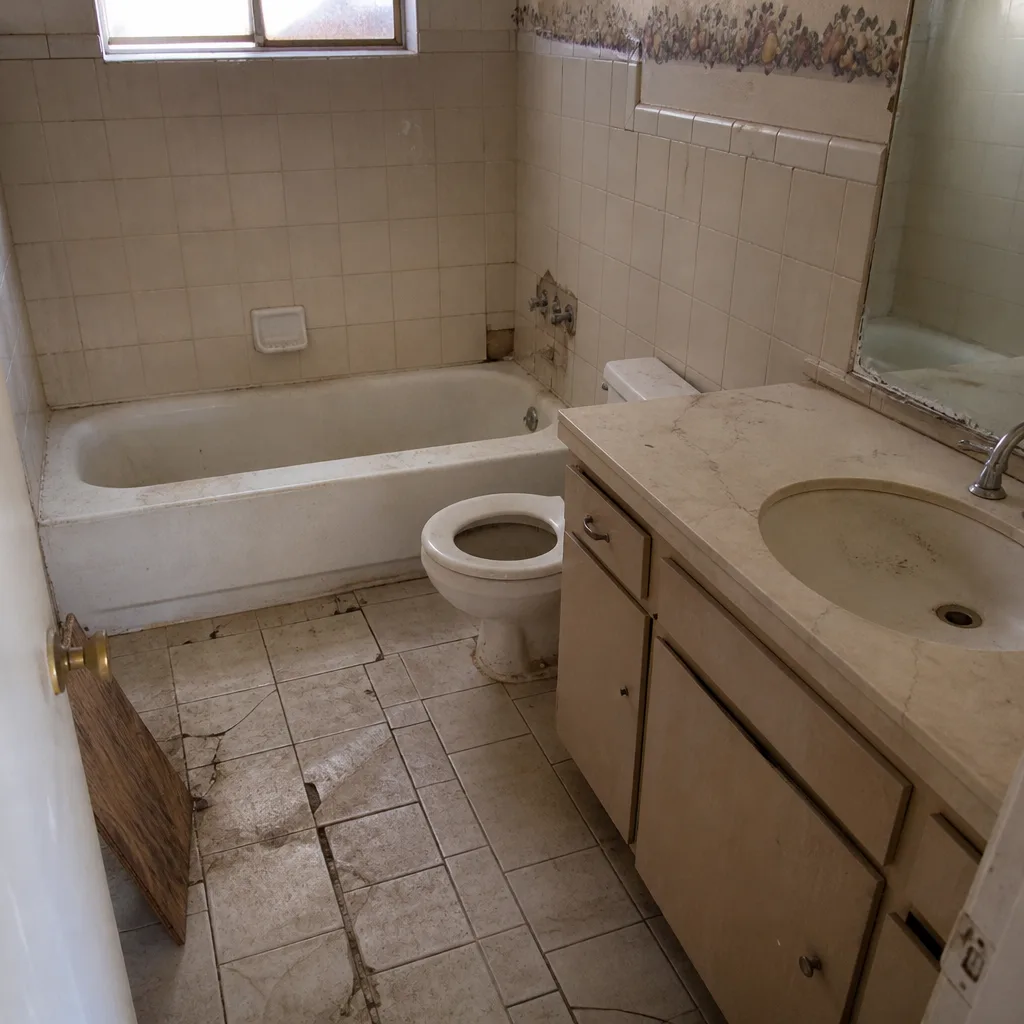 Before
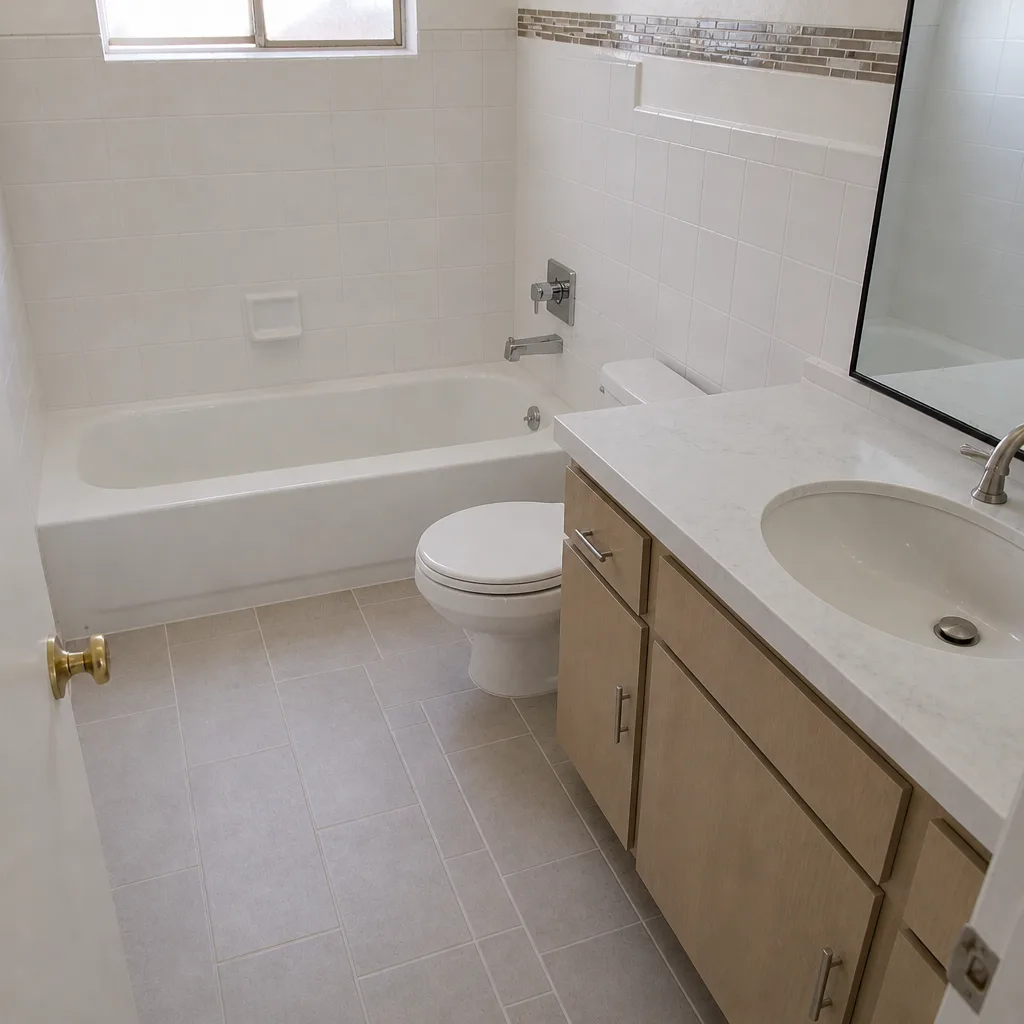 After
When to Call a Professional

Some jobs are worth a look from a professional even before you’re ready to commit. If you’re dealing with a kitchen that needs to be taken down to substrate, a bathroom where the tile is cracking at the seams, or a whole-home project that touches plumbing, electrical, and structural elements at once, the planning step alone is worth a call. Electrical work, gas lines, and any scope that changes the structural footprint should never be handled without a licensed contractor – Nevada’s code and Boulder City’s building department review both depend on it. If you’ve had a bad remodel before and are bracing for the same experience, the fix starts at the estimate stage. Penhallow Remodeling Boulder City offers free estimates in Boulder City – call (844) 834-9740 and schedule a visit. A live person answers the phone every time, and you’ll walk away with a written price and a written guarantee before any tool comes out of the truck.
For a broader view of what full-scope work looks like, our Penhallow Remodeling Boulder City home page lays out the services we connect homeowners with.
Frequently Asked Questions
Kitchen remodels in Boulder City typically run $18,000 – $55,000 depending on layout, cabinet line, and countertop material. A small galley update with mid-grade cabinets and a quartz top lands near the low end; a full layout change with premium cabinetry, moved plumbing, and a Cambria or Caesarstone top runs to the high end. Permit and code-upgrade work on older Boulder City housing adds a separate line. Call (844) 834-9740 for an exact quote – estimates are free.
Ask the contractor for their Nevada State Contractors Board license number, then look it up on the NSCB’s online search. You’ll see their classification, license status, expiration date, and any complaint history in under three minutes. Make sure the classification matches the scope – a general building classification covers whole-room work; a specialty classification only covers that trade. A contractor who won’t give you a license number on the spot is not a contractor you should hire.
Under a written-price standard, no. The number on day one should match the invoice at the end. The only legitimate exceptions are documented change orders you approve in advance – hidden rot, a code-required upgrade revealed after demo, an addition you request midway. A contractor who can’t explain those boundaries in writing before work starts hasn’t committed to a price, and you can expect it to move. Call (844) 834-9740 for an exact quote – estimates are free.
In almost every case, yes. Boulder City runs its own building department separate from Clark County, and any work that touches plumbing rough-in, electrical, or structural elements requires a permit and inspection. Cosmetic swaps like paint and tile on the same substrate may not, but they’re the exception. The right question to ask a contractor is whether permit pull and inspection scheduling are listed on the bid, and whether they’ll handle both – not whether you can skip the permit.
A bathroom remodel typically takes three to five weeks; a kitchen, five to nine weeks depending on cabinet lead times and countertop fabrication. A whole-home remodel runs longer, often three to six months. Boulder City adds small calendar effects – summer heat pushes crews to early-morning schedules, and the Historic District review adds time for exterior changes. The timeline should be written into the bid as a start and end window, not promised verbally. Call (844) 834-9740 for an exact quote – estimates are free.
A real guarantee names the coverage period, defines what counts as a defect, commits to a return visit, and states that the fix is free. If it doesn’t say all four of those things, it’s a slogan. The Penhallow 365-Day Done Right Promise commits to a return and a fix at no charge if any workmanship defect appears within the first year, and that promise is delivered in writing with the estimate. It’s the standard we’d want on our own homes.
The Bottom Line

The step most Boulder City homeowners skip is the one that matters most: getting the price and the guarantee in writing before work begins. Verify the license, demand a written estimate that names scope, materials, timeline, payment schedule, and warranty terms, and compare two bids line by line. Read the guarantee language like a contract, because it is one. Pay in milestones, not up front. Vet the crew that will be in your home. Every one of those steps is a small piece of paperwork that prevents months of dispute. Boulder City’s tight market rewards the homeowner who asks for the paperwork; the contractor who resists it is answering a question you didn’t ask. Call (844) 834-9740 for a free estimate, a written price, and a written guarantee before any tool comes out.
Written by the team at Penhallow Remodeling Boulder City.