Last updated November 18, 2026








Free written scope consultation - allowances, timeline, and change-order rules on paper before a single trade is scheduled
How Long Does General Contractor Take? Timelines and What to Expect
A kitchen remodel in the Southwest routinely runs 11% longer than the original estimate, and the reason is rarely a hidden surprise behind the drywall. It’s that the first estimate was never a commitment. It was a range spoken at the kitchen table, with no schedule attached and no written promise behind it. We’ve seen that gap play out across Boulder City, and it’s why this guide exists. What follows is a realistic look at how long projects actually take, the three causes behind most overruns, and how to hold a contractor to a date in writing.
Quick Answer
A bathroom remodel typically takes 2 to 4 weeks, a kitchen remodel runs 5 to 10 weeks, an addition runs 3 to 6 months, and a whole-home remodel runs 4 to 9 months. In Boulder City, the biggest legitimate variables are permit review times and summer heat, which can push exterior and rooftop work back by 2 to 3 weeks. Most overruns trace back to three causes: permit lag, material lead times, and subcontractor scheduling.
Styles & brands we work with
- Kitchen remodeling
- Bathroom remodeling
- Home additions & ADU
- Roofing
- Windows & doors
- Driveway & pavers
- Fence
Table of Contents
- Realistic timelines by project type
- The three causes behind most delays
- How to read a project schedule
- Substantial completion vs. final walkthrough
- Why Boulder City heat pushes exterior work
- What your contract should say about delay remedies
- Common mistakes to avoid
- Frequently asked questions
Realistic Timelines by Project Type
Timelines depend on scope, and the honest ranges below come from real jobs, not from a sales sheet. A bathroom is a contained job with a defined trade sequence. A whole-home remodel is a different animal entirely, with trade overlaps and sequencing that compound any slip. Here’s what we see for Boulder City homeowners when plans and permits are in order.
- Bathroom remodel: 2 to 4 weeks. A simple vanity and fixture swap runs at the short end. A full gut with tile, plumbing relocation, and a new shower pan runs at the long end.
- Kitchen remodel: 5 to 10 weeks. Cabinet lead times and countertop templating drive most of the timeline. A layout change with new plumbing or electrical adds a week or more.
- Room addition: 3 to 6 months. Foundation, framing, sheathing, roofing, and the weather-dependent exterior phase fill most of that window.
- Whole-home remodel: 4 to 9 months. Every trade moves through the house in sequence, and the order matters more than the individual trades’ speed.
If you’re planning a kitchen, our Kitchen Remodeling in Boulder City page walks through the cabinet, countertop, and layout decisions that shift these ranges. For a bathroom, the Bathroom Remodeling in Boulder City page covers the waterproofing and tile sequencing that most affects timeline.
The Three Causes Behind Most Delays
Overruns feel random when you’re living through them. They almost never are. In our experience, nearly every delay on a remodel in Boulder City traces back to one of three causes, and each one falls on a different side of the contract line. Knowing which is which tells you who’s responsible and what you can demand.
- Permit lag. The city reviews plans, checks code compliance, and issues the permit. The contractor’s job is to submit a complete, accurate application the first time. An incomplete submittal restarts the clock, and that’s the contractor’s problem.
- Material lead times. Cabinets, windows, countertops, and specialty tile ship on their own schedule. The contractor’s job is to order early and build the delivery date into the schedule. If your contractor orders late, that’s on them. If a manufacturer slips, that’s a legitimate delay.
- Subcontractor scheduling. Plumbers, electricians, and tile setters each work several jobs at once. The contractor’s job is to sequence them so no trade waits on another. A crew that shows up to a job the previous trade left half-finished costs you days.
The pattern: permit lag and subcontractor scheduling are the contractor’s responsibility to prevent. Material lead times are partly yours to influence and partly out of everyone’s hands. A written schedule assigns each cause to a party so there’s no argument when one hits. We source cabinetry from lines like KraftMaid and Wellborn and countertops from Cambria and Silestone, and we build those lead times into the schedule on day one.
How to Read a Project Schedule
A project schedule is a list of trades and phases with a start date and a finish date for each, in the order they happen. It’s not a marketing document. It’s the promise you can hold a contractor to, and most homeowners have never been shown one before signing. Here’s what to look for.
- Every phase has dates. Demo, framing, rough-in plumbing and electrical, inspection, insulation, drywall, cabinets, countertops, tile, trim, and paint. Each one should have a window, not a note that says “to be determined.”
- Inspections are on the schedule. Building inspections happen at set milestones, and the schedule should show when your contractor expects them. That’s how you catch permit lag before it eats a month.
- Order dates are visible. Cabinet and window orders should have a dated line on the schedule, ideally before demo starts. Late ordering is the single most common self-inflicted delay on a kitchen.
- A buffer exists. A schedule with no buffer is a wish, not a plan. A week of float on a kitchen remodel and two to three weeks on an addition is reasonable.
Windows are a good example of how lead times drive the schedule. If you’re planning a project that includes new windows, the choice between PGT and CGI affects both the cost and the delivery window, and that delivery window belongs on the schedule. A written schedule is also where the written price lives, and that’s the core of how we operate as a General Contractor in Boulder City.
Substantial Completion vs. Final Walkthrough
These two milestones get blurred together, and that blurring is where a lot of friction begins. Substantial completion is the point at which the project is usable for its intended purpose. For a kitchen, that means the cabinets are hung, the countertops are set, the sink works, and the appliances run. The final walkthrough happens after that, when the punch list is finished and the last touch-up is done.
The distinction matters for two reasons. First, many contracts tie the final payment to substantial completion, not to the walkthrough, so you need to know which milestone you’re signing off on. Second, the walkthrough is your chance to catch the small things: a misaligned cabinet door, a grout line that needs attention, a light switch that isn’t level. A good contractor builds a punch-list window into the schedule so the walkthrough doesn’t drag on for weeks.
On every project, we work against a written guarantee: if something isn’t done right, we come back and make it right, at no charge, under our 365-Day Done Right Promise. That promise applies after the walkthrough, not before, so you’re covered long after the schedule closes.
Why Boulder City Heat Pushes Exterior Work
Boulder City summers are genuinely brutal, and that’s not an excuse a contractor can wave away, but it is a real constraint. Exterior and rooftop phases push back by 2 to 3 weeks on a normal schedule because crews can’t safely work in the middle of the day and materials like roofing underlayment and exterior sealants behave differently in high heat. That’s a legitimate delay, not a fabrication.
What separates a good contractor from a bad one is how they handle it. A good contractor tells you up front, before the contract is signed, that exterior phases on a Boulder City project will be scheduled around the heat and might slip. They plan the work for early morning hours or push it to a shoulder season. They don’t wait until the crew is standing in the driveway to tell you the roof work is postponed.
Interior work is less affected, but the heat still reaches it: paint and sealant cure at different rates, and your contractor should know to account for that in the paint phase. Where a contractor schedules exterior work in July in Boulder City with no mention of heat, ask why. It’s the first question we answer when we walk a project.
What Your Contract Should Say About Delay Remedies
A contract with no delay language is a contract that protects the contractor, not you. The written price is the first thing to look for, because that’s the number you can hold someone to. The delay remedies are what protect you when the schedule slips. Here’s what a fair contract should include.
- A written schedule. The project schedule should be attached to the contract, not referenced verbally. Every phase with dates.
- A written arrival window. A real arrival window, not “sometime Tuesday.” The schedule should state when crews are expected and how you’ll be notified of a change.
- A named party for each delay cause. Permit lag and subcontractor scheduling should fall on the contractor. Material lead times should be spelled out so everyone knows what’s a legitimate slip.
- A remedy for delay. What happens if the contractor misses substantial completion by two weeks? The contract should say, whether that’s a stated credit, a revised schedule in writing, or another remedy both parties agree to.
- Inspection commitments. The contract should state that permits will be pulled and inspections passed, with the contractor carrying that responsibility.
Here’s the plain version: the number on day one should be the number on the invoice. That’s how we run every project, and it’s part of what makes a General Contractor in Boulder City accountable to the schedule it writes.
Common Mistakes to Avoid
- Accepting a verbal estimate as a contract. A range spoken at the kitchen table isn’t a commitment. Demand a written number and a written schedule before anyone picks up a tool.
- Signing without a schedule attached. The contract is only as good as the schedule behind it. If there’s no schedule, there’s no date to hold anyone to.
- Assuming “substantial completion” and “final walkthrough” mean the same thing. Many contracts tie the final payment to substantial completion. Know which milestone you’re signing off on.
- Choosing a contractor on price alone. The lowest bid is often the one that changes at the door. A written price from a vetted local pro is worth more than a bargain that grows.
- Planning exterior work for midsummer in Boulder City without a heat plan. Roofing, siding, and exterior painting scheduled for July will slip unless the contractor plans around the heat.
- Not asking who handles permits. If the contractor doesn’t pull permits and pass inspections, the liability is yours. Confirm this in writing before work starts.
- Ignoring the material lead times. Cabinets and windows ordered after demo starts push the whole schedule. Ask for the order dates before signing.
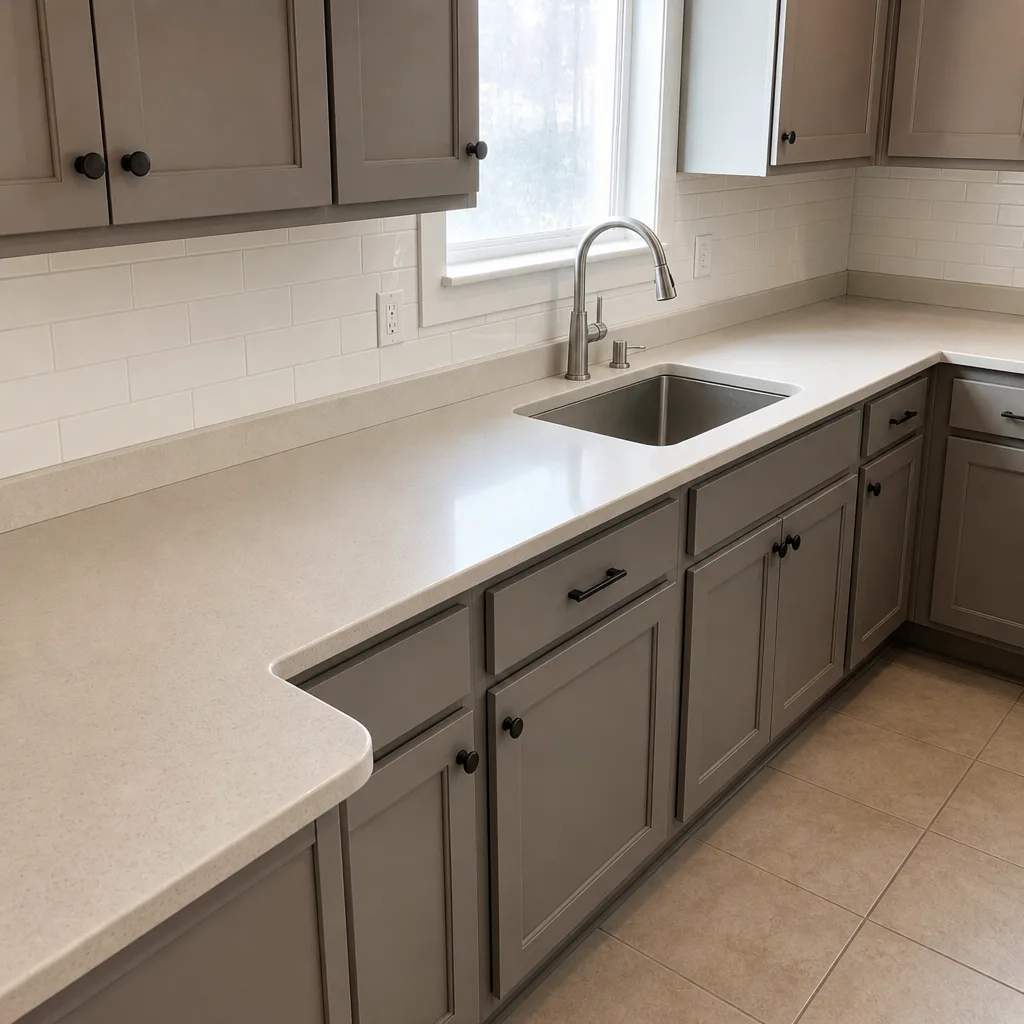
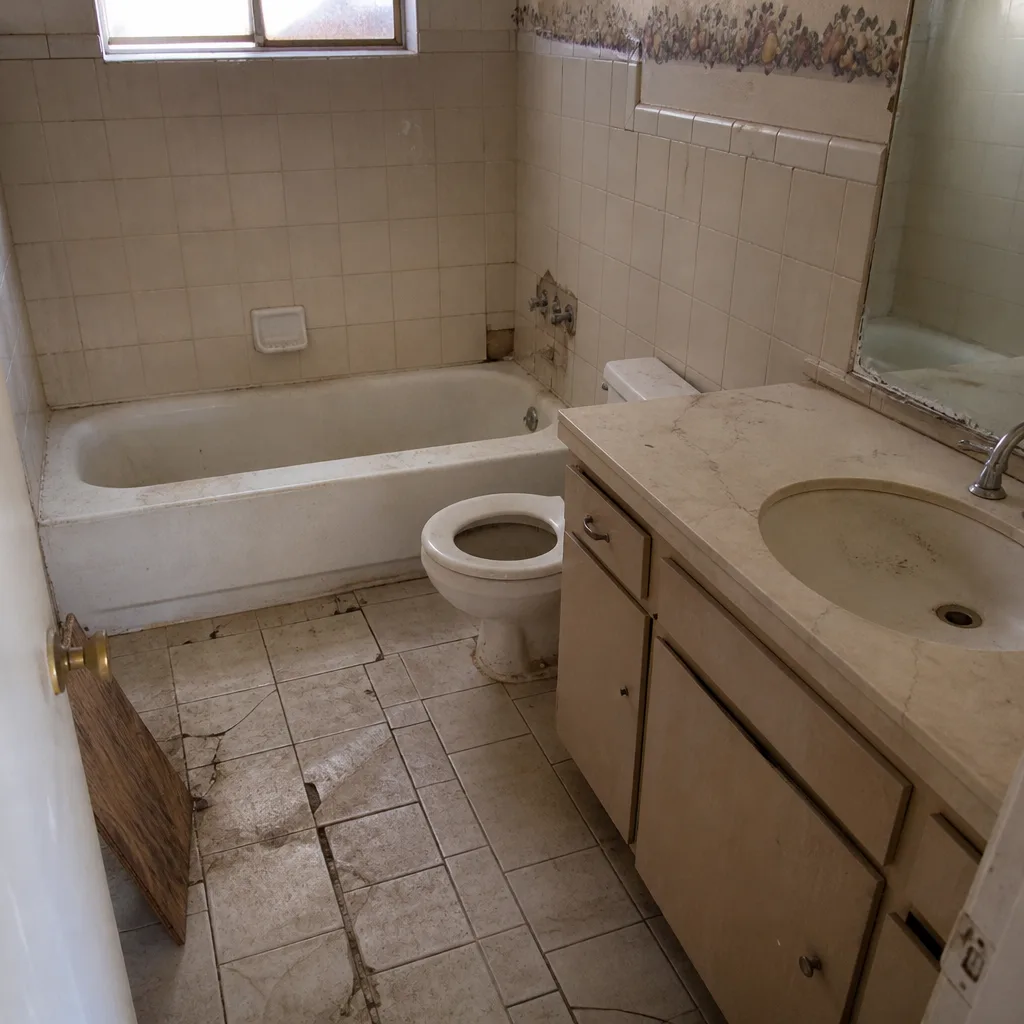
See the difference
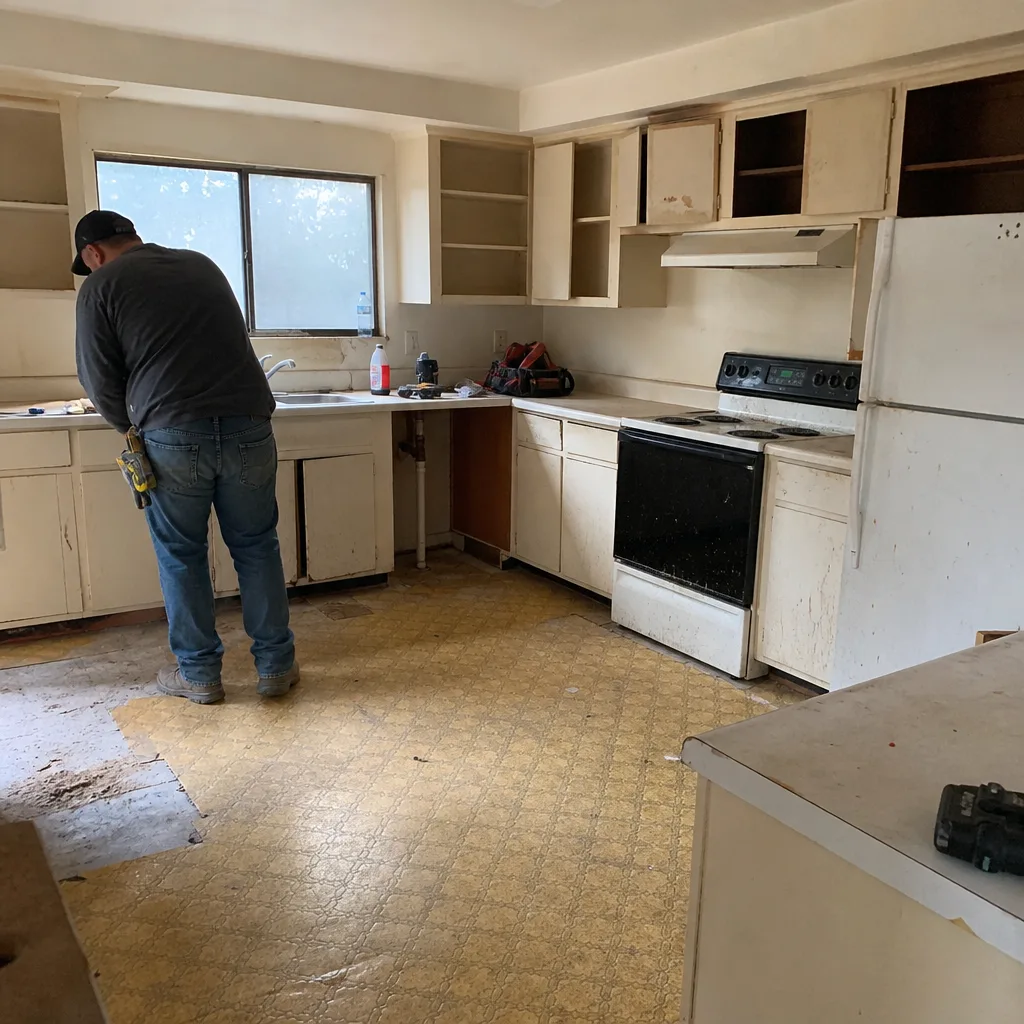 Before
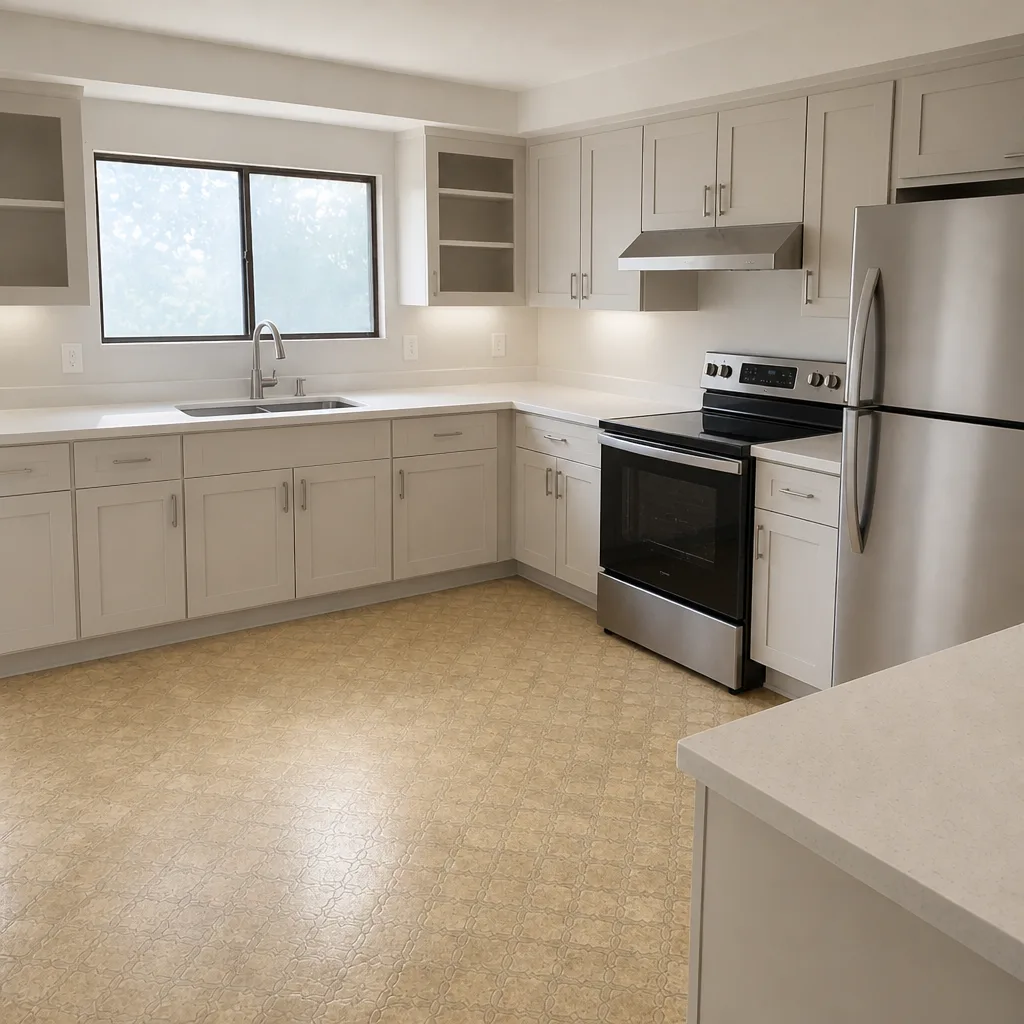 After
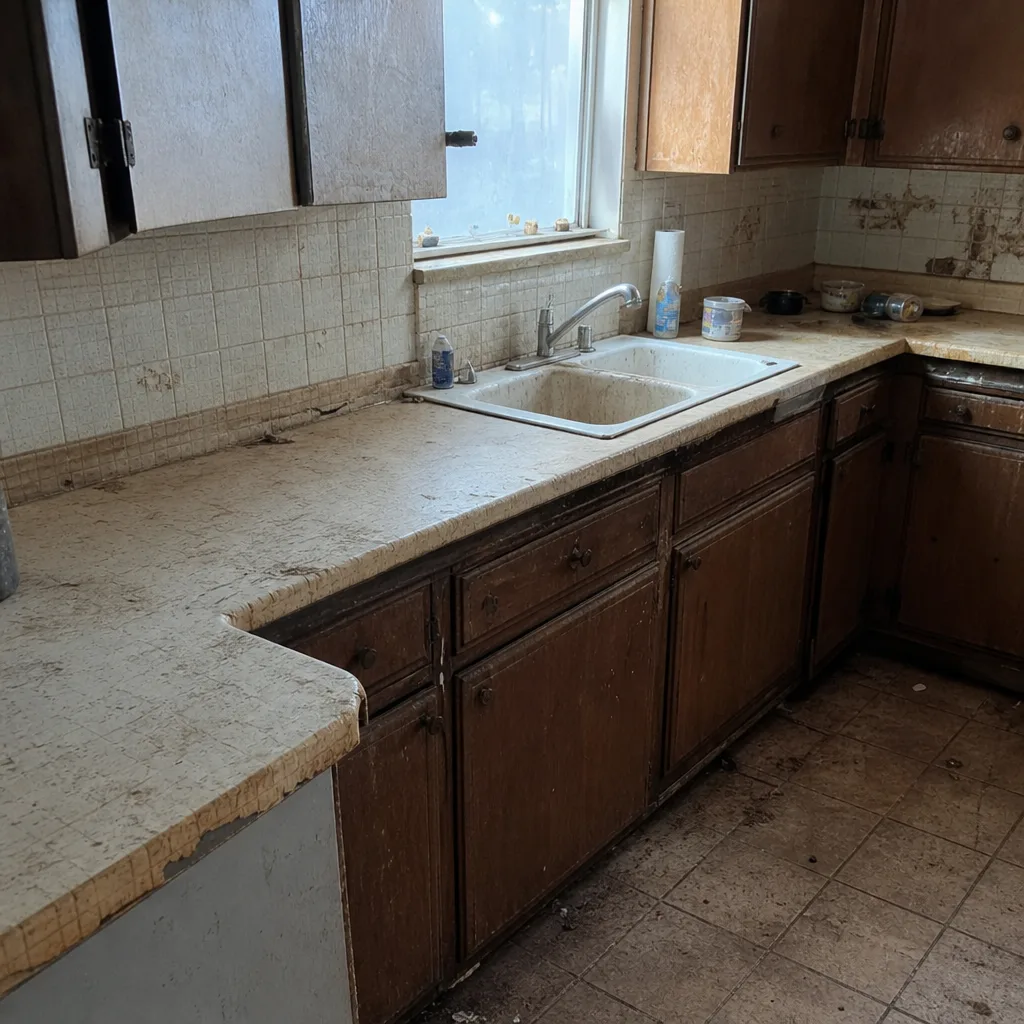 Before
 After
 Before
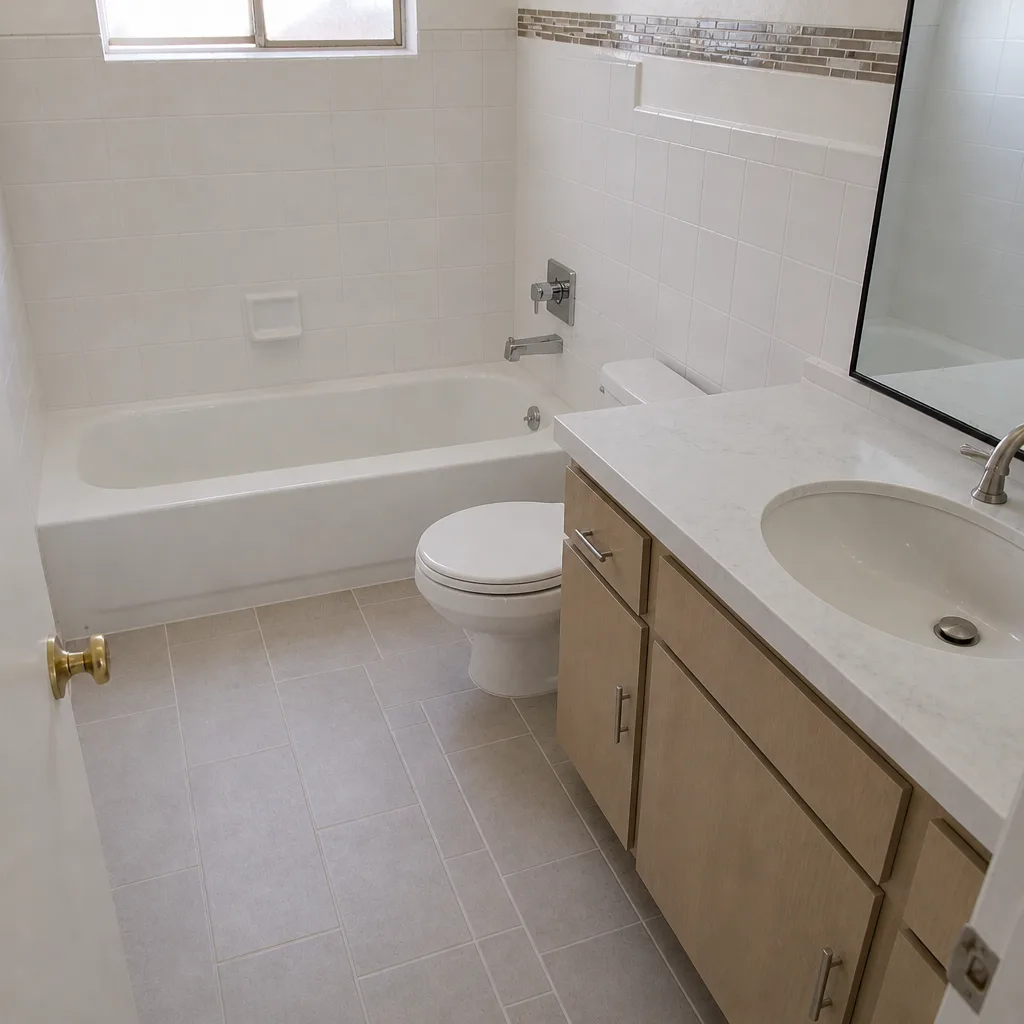 After
When to Call a Professional

You need a professional when the project involves moving plumbing or electrical, when structural changes are on the table, or when the scope crosses more than one trade. A bathroom vanity swap might not need one, but a full gut with relocated plumbing does. An addition always does. Boulder City code and inspection requirements add a step that a handyman can’t cover, and a permit pulled wrong costs you a stop-work order and a delay you didn’t plan for.
If you’re planning a remodel and want to know what your schedule and your number look like before you sign, that’s what a free estimate is for. Penhallow Remodeling Boulder City offers free estimates in Boulder City – call (844) 834-9740 to schedule yours, and we’ll walk the project with you.
Frequently Asked Questions
A whole-home remodel typically runs 4 to 9 months, a kitchen 5 to 10 weeks, a bathroom 2 to 4 weeks, and an addition 3 to 6 months. In Boulder City, permit review times and summer heat are the biggest legitimate variables. Call (844) 834-9740 for a free estimate and a written schedule.
Permit lag is the most common single cause, followed by late material ordering and subcontractor scheduling conflicts. All three are preventable when the contractor builds them into a written schedule. If your contractor won’t give you a schedule, call (844) 834-9740 for a second opinion.
It shouldn’t. A written price before work starts is the standard, and the number on day one should be the number on the invoice. Change orders should only happen when you approve a scope change in writing. Call (844) 834-9740 for a written quote.
Yes. Pulling permits and passing inspections is the contractor’s job on any permitted scope, and it should be in the contract. On Boulder City jobs, building inspections happen at set milestones, so the schedule should show them. Call (844) 834-9740 to talk through your project.
Exterior and rooftop phases can push back 2 to 3 weeks during Boulder City’s hot months. That’s a legitimate delay, and a good contractor tells you about it upfront and plans work around the heat. Call (844) 834-9740 to plan your exterior project.
Substantial completion is the point at which the project is usable for its intended purpose, before the final punch list is finished. Many contracts tie the final payment to it, so know which milestone you’re signing off on. Call (844) 834-9740 if you want a contract reviewed before you sign.
The Bottom Line
Realistic timelines exist, they can be written down, and the contractor who gives you a written schedule and a written price is the one who’s telling you the truth. Bathrooms run 2 to 4 weeks, kitchens 5 to 10 weeks, additions 3 to 6 months, and whole-home remodels 4 to 9 months, with legitimate variables like permit lag, material lead times, and Boulder City heat built into the schedule. The three delay causes are predictable, and a written contract protects you against each one. Don’t accept a verbal estimate and a handshake schedule. Ask for the number and the dates in writing, and hold your contractor to them.
When you’re ready to talk through your project, call (844) 834-9740 for a free estimate. We’re Penhallow Remodeling Boulder City, and we’ll give you a written price, a written schedule, and a real arrival window before anyone picks up a tool. You can start at our Penhallow Remodeling Boulder City home page.
Written by the team at Penhallow Remodeling Boulder City.