Last updated November 18, 2026






Free written scope consultation - allowances, timeline, and change-order rules on paper before a single trade is scheduled
Bathroom Remodeling Warning Signs Every Homeowner Should Know
A contractor who won’t give you a written price before pulling your toilet isn’t protecting their flexibility – they’re protecting their ability to charge you more once the walls are open. That’s the uncomfortable truth about bathroom remodeling, and it’s why the costliest mistakes usually happen weeks before demo day. The red flag shows up in the first conversation: a verbal ballpark, a shrug about permits, a warranty promise that never makes it onto paper. By the time the tile is up, the leverage has already shifted. This guide teaches you to read those early signals, with specifics on what shortcuts cost in Boulder City’s water and climate, what an unpermitted job means for your insurance and resale, and exactly which questions separate a real written quote from a friendly maybe.
Quick Answer
The biggest bathroom remodeling red flags are a contractor who won’t put a written price in writing before work starts, one who asks for a cash discount or dodges permits, a warranty that stays verbal, and no defined arrival window on day one. Each is a leading indicator that the price and schedule will drift once your walls are open. If any one of those signals is missing on the first call, treat it as a reason to get another written quote before you sign anything.
Styles & brands we work with
- Kitchen remodeling
- Bathroom remodeling
- Home additions & ADU
- Roofing
- Windows & doors
- Driveway & pavers
- Fence
Table of Contents
- No Written Estimate Up Front
- The “Cash Discount” and Skipped Permits
- Vague Warranty Language
- Arrival Window Red Flags
- Substrate Shortcuts in Hard-Water Showers
- Schedule Promises That Ignore Reality
- Scope Creep and the Change-Order Trap
- Common Mistakes to Avoid
No Written Estimate Up Front
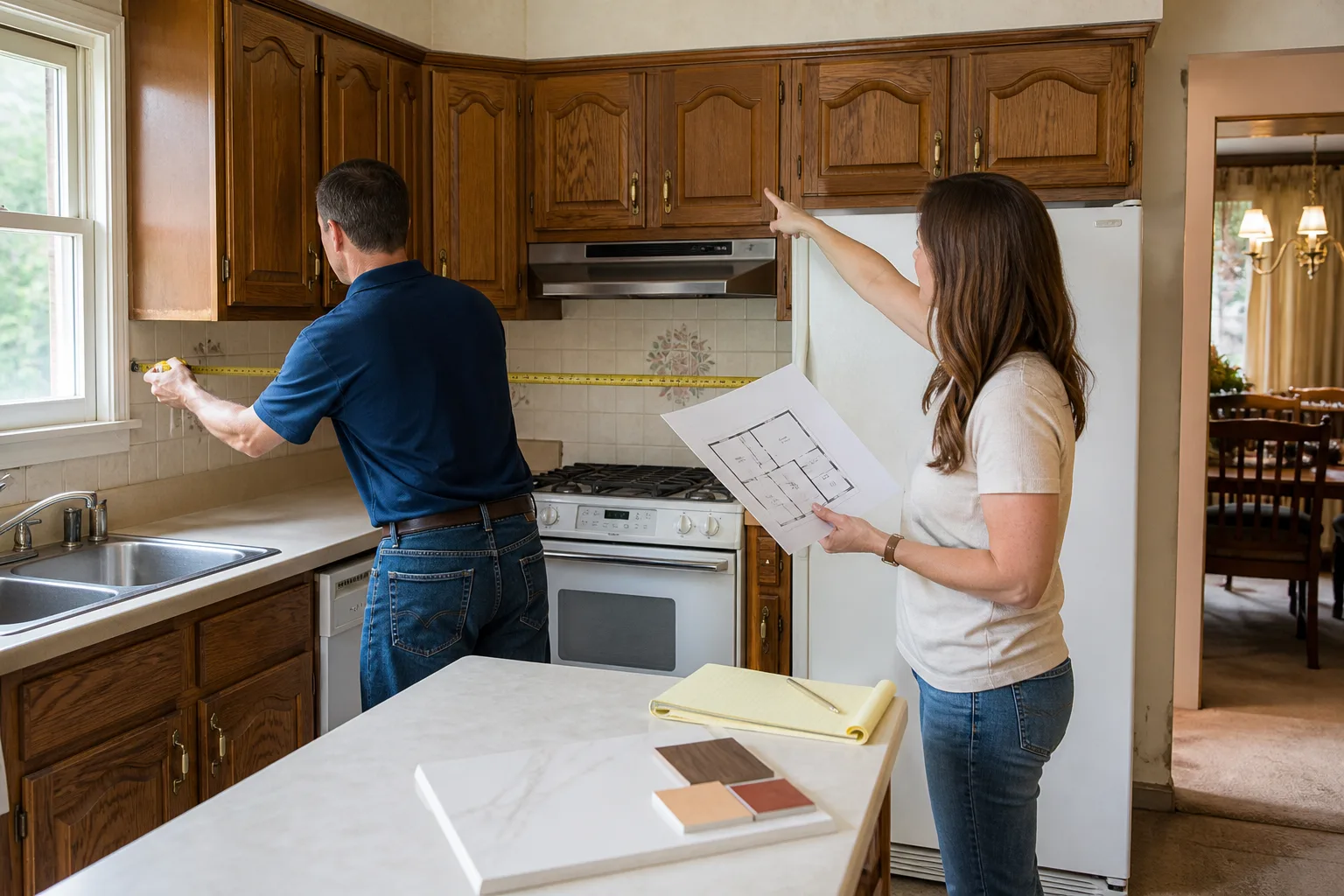
“We’ll figure it out as we go” is the single most expensive sentence in a bathroom remodel. It sounds flexible. It means the price is a moving target that only moves one direction – up – once the demolition crew finds whatever is behind your tile.
Here’s the math homeowners rarely see. A verbal ballpark for a mid-range hall bath might land at “around $12,000.” By the time the job wraps, change orders for the wet-area framing nobody quoted, the extra electrical for a heated floor, and “while we were in there” plumbing add-ons typically push final invoices 20 to 40 percent higher than the spoken number. On a $12,000 job, that’s $2,400 to $4,800 you didn’t plan to spend. A written price with line items removes the guesswork because every line – demo, rough plumbing, substrate, tile, fixtures, cabinetry – is locked before anyone touches a tool.
What a real written quote includes:
- Line-item pricing for every phase, not one lump sum
- A stated allowance for tile, fixtures and vanity so you know where the ceiling is
- What’s excluded – often the most important page, because it names the surprises before they happen
- A change-order policy in writing: who approves, when, and how the number changes
Our own standard is simple and it comes straight out of how we work as a general contractor in Boulder City: a written price before any work starts. Not a range. Not a ballpark. A number you can hold us to, with a bathroom remodeling in Boulder City quote that spells out allowances and exclusions up front.
The “Cash Discount” and Skipped Permits
A contractor who offers a steep discount for cash is almost always offering a discount for skipping the permit. The two go together because a permit requires an inspection, and an inspection requires the work to meet code. Cash keeps the job off the record.
Why that matters in a bathroom: wet-area work is the most permit-heavy room in the house. Moving a drain, relocating a supply line, adding a GFCI outlet near the vanity, installing a new exhaust fan that vents to the exterior – all of these typically require a permit and inspection in Boulder City and surrounding Clark County. Skipping that step doesn’t just save the contractor a fee. It leaves you holding the liability.
What an unpermitted bathroom remodel actually costs you:
- Homeowner’s insurance risk. If a shower pan fails and water damages the floor below, an insurer can question a claim on unpermitted work. That’s a real dollar exposure, not a hypothetical.
- Resale trouble. Most buyers’ agents pull permit history during due diligence, and an open or missing permit on a bathroom can stall a sale or force a retroactive permit and inspection at your expense.
- Failed inspection later. A future buyer’s inspector who flags uncorrected work can turn a routine contingency into a renegotiation.
The “cash discount” also removes your paper trail. No written contract, no invoice, no warranty claim you can back up. If a contractor won’t pull the permit, that’s not a discount – it’s a risk transfer onto your name. Ask for the permit number and expect to see it before demo starts.
Vague Warranty Language
“We stand behind our work” is not a warranty. It’s a feeling. A written guarantee names what’s covered, for how long, what happens if something fails, and who pays for the return visit. If a contractor can’t hand you that on paper, assume there isn’t one.
The difference is concrete. A verbal promise evaporates the moment the crew pulls out of the driveway. A written 365-day guarantee says, in specific terms, that if the tile delaminates, the shower pan leaks at the curb, or a supply line fitting fails inside the covered period, the contractor comes back and makes it right at no charge. That’s a document, not a handshake – and it should come with the estimate, not appear only after you demand it.
Questions that expose a soft warranty:
- “What exactly does it cover – labor, materials, or both?” A real guarantee draws the line clearly.
- “How long is the coverage period, in writing?” “As long as you own the home” with nothing backing it is not coverage.
- “Is there a fee for the return visit if something fails?” A free return visit on a covered failure is the honest answer.
- “Which product warranties stack on top of yours?” Cabinetry and countertops from recognized brands carry their own manufacturer warranties alongside the installer’s guarantee – those layers are worth knowing about.
Our Penhallow Remodeling Boulder City home page lays out the same standard we apply on every bathroom: the 365-Day Done Right Promise, backed in writing, with a free return visit if a covered repair fails. That’s what a guarantee looks like when it’s a document instead of a slogan.
Arrival Window Red Flags
A contractor who can’t commit to a two-hour arrival window on day one rarely gets more reliable as the job stretches from three weeks to six. The arrival window is a test of whether the company actually schedules its crews or just juggles them. If “sometime Tuesday morning” is the best they can offer, that’s how the whole remodel will run.
Why the first window predicts the rest: bathroom remodels run on a sequence of trades – demo, rough plumbing, rough electrical, inspection, substrate, waterproofing, tile, glass, fixtures. Each trade depends on the last one finishing on time. When the tile setter shows up two days late for no stated reason, every subsequent step slides, and the “3 to 4 week” job becomes 8. Contractors who run tight schedules protect the whole chain because they know a slip early costs more later.
What to look for:
- A specific window on the first visit – “8 to 10 a.m.” rather than “in the morning”
- A call if anything changes before the window, not after it has passed
- Named trades – who’s doing plumbing, who’s doing tile, and are they on the schedule
- A real person who answers the phone when something goes sideways, not a voicemail maze
A live person answering the phone at any hour is one of the quieter signals. If you can’t reach anyone the day the crew is supposed to show, that’s a warning about every morning to come.
Substrate Shortcuts in Hard-Water Showers
Substrate is the layer beneath your tile – cement board or a similar moisture-resistant backer that keeps water away from the framing. It’s the single most common corner cut in a bathroom remodel, and it’s the one that fails quietly. On-day-one tile looks perfect. By year two, in a shower, it can be cracked, moldy, or coming loose from the wall.
Boulder City’s water runs hard and mineral-heavy, and its climate swings from summer highs that push past 100 degrees to cool desert nights. That combination is brutal on improperly built showers. Hard water leaves mineral scale that eats at grout lines and pushes moisture into seams; the swing between a hot shower and dry desert air works tile and caulk as different materials move at different rates. In our experience, the classic early failure is a shower built over drywall with a skim coat of thinset – it survives the first few months and starts popping by month 18.
What a properly built shower includes:
- Cement board substrate behind the tile, not drywall or greenboard
- A bonded waterproofing membrane over the substrate, with seams taped and treated
- A sloped mud bed or engineered pan under the tile floor so water drains, not pools
- Exterior-vented exhaust fan sized for the room, so humidity leaves the house instead of soaking into the walls
- Correct thinset – modified for the stone or porcelain you chose – and a sealer appropriate to the grout
None of this looks exciting on demo day. It’s the whole point. The good news is that products like Quikrete backer board and setting materials are widely available and proven – when they’re installed correctly. The shortcut version of this same shower, using a paint-on membrane over drywall, looks nearly identical on the day you write the check and costs you thousands to redo.
Schedule Promises That Ignore Reality
A “one week” bathroom remodel is a red flag on its own. Standard baths with a tub-to-shower conversion, new vanity, new tile and a permitted relocation of a drain run closer to three to four weeks, and larger primary baths with a full wet-area rebuild take longer. When a contractor quotes a schedule that ignores rough plumbing, inspection, substrate curing and glass lead times, they’re either cutting corners on the build or planning to overbook their crews and leave yours sitting.
Realistic bathroom schedules account for:
- Inspection lag after rough-in plumbing and electrical
- Substrate and waterproofing cure time before tile goes down
- Fixture and glass lead times, which can run two to six weeks depending on the brand and finish
- Buffer for what demo finds – a soft floor joist, an old shutoff valve, a vent that runs the wrong way
If a contractor won’t put a schedule in writing alongside the price, treat the timeline the same way you’d treat a verbal ballpark. When we quote a bathroom remodel in Boulder City, the schedule and the price come on the same page, and both are locked before demo starts.
Scope Creep and the Change-Order Trap
Scope creep is when the agreed work quietly grows, and the change-order trap is when the price grows with it – after the walls are open and you have no leverage to say no. The two are a matched pair. A contractor who quoted vaguely on the front end discovers “necessary” extra work mid-job and charges whatever the market will bear, because at that point you’re committed.
The defense starts with the written quote. Every line should be itemized, every allowance stated, every exclusion named. When a real difference appears – the wall behind the shower turns out to be rotted from an old leak – a good contractor brings you a written change order, in the same price format as the original, before proceeding. You approve or you don’t. The number on the invoice still matches the number you agreed to, plus whatever you signed off on.
Watch for these change-order red flags:
- Extra work appearing mid-job without a written change order in hand
- “We already ordered it” for materials you never approved
- Allowance overages creeping past 30 percent with no advance notice
- Pressure to decide on the spot, before you’ve seen the options
Neither a written price nor a fixed schedule guarantees a smooth remodel on its own, but together they turn “what will this cost” from a guess into a number you can build a budget around. That’s the piece most homeowners are actually shopping for, even when they think they’re shopping for a tile pattern.
Common Mistakes to Avoid
- Signing before the permit is pulled. In Boulder City, wet-area plumbing and electrical work typically need inspection, and asking for the permit number before demo is the simplest way to confirm the contractor intends to build to code.
- Comparing verbal quotes instead of written ones. Two “$15,000” verbal estimates can be wildly different jobs – one includes tile and fixtures, the other doesn’t. Only written line items are comparable.
- Accepting a cash discount. A steep cash price almost always means an unpermitted job. You trade a few hundred dollars now for a resale and insurance risk that can cost thousands later.
- Trusting “we stand behind it” without a document. A warranty that isn’t written down isn’t coverage. Ask to see the terms before you sign.
- Letting arrival windows slide without comment. The first late morning is a leading indicator. Note it and ask what happened – how the contractor answers tells you how the rest of the job will go.
- Skipping the waterproofing conversation. Given Boulder City’s hard water and dry-desert swings, the substrate and membrane matter more than the tile pattern. Ask exactly what’s behind the tile, and make sure the answer is cement board plus a bonded membrane.
- Approving work without a change order. Any addition after demo needs a written change order in the same format as the original quote, so the final invoice still matches the plan.
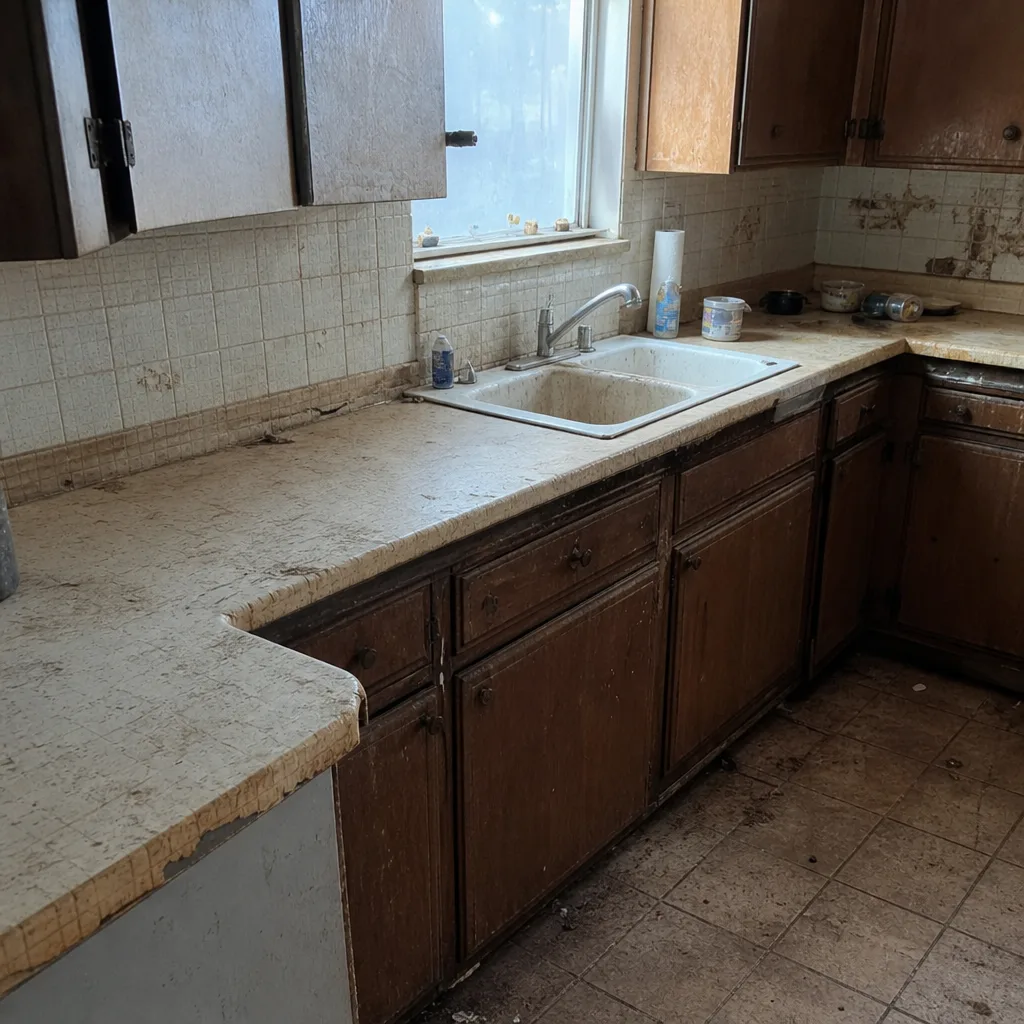
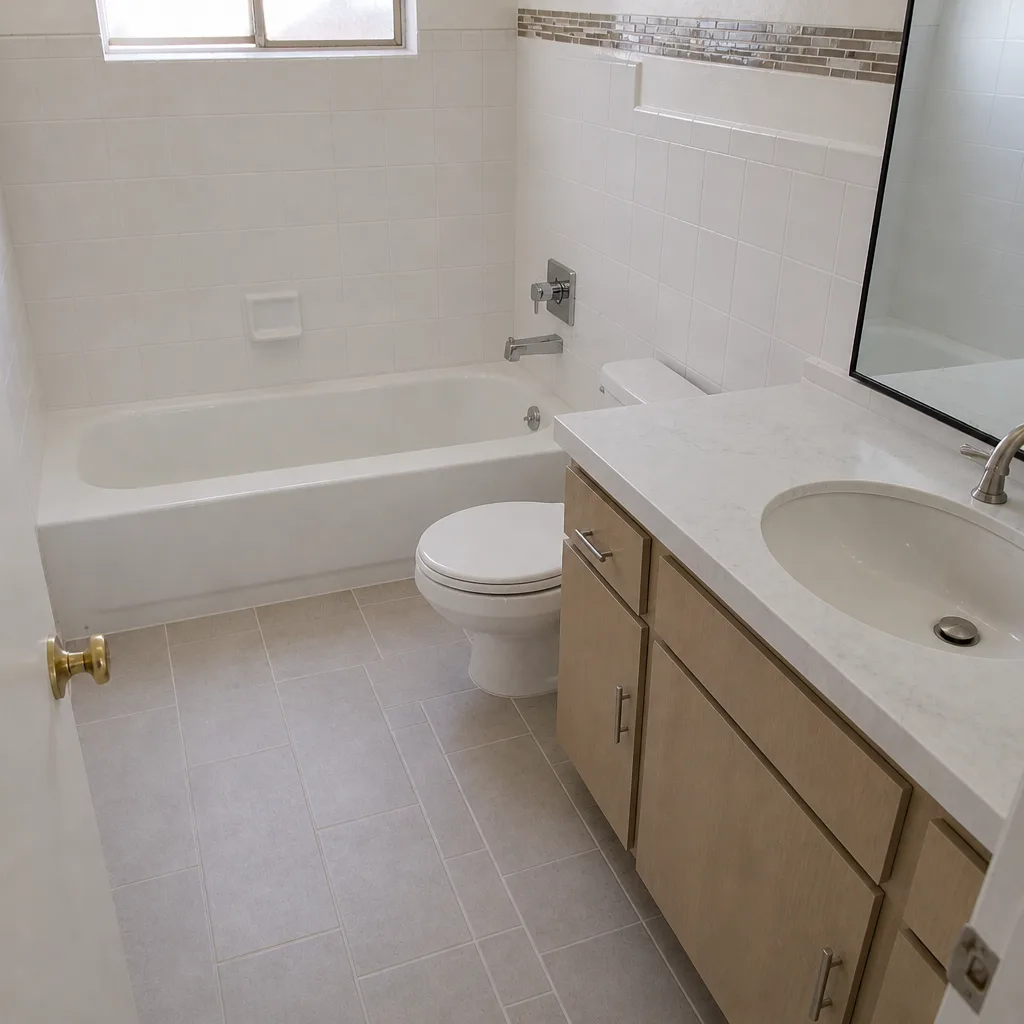
See the difference
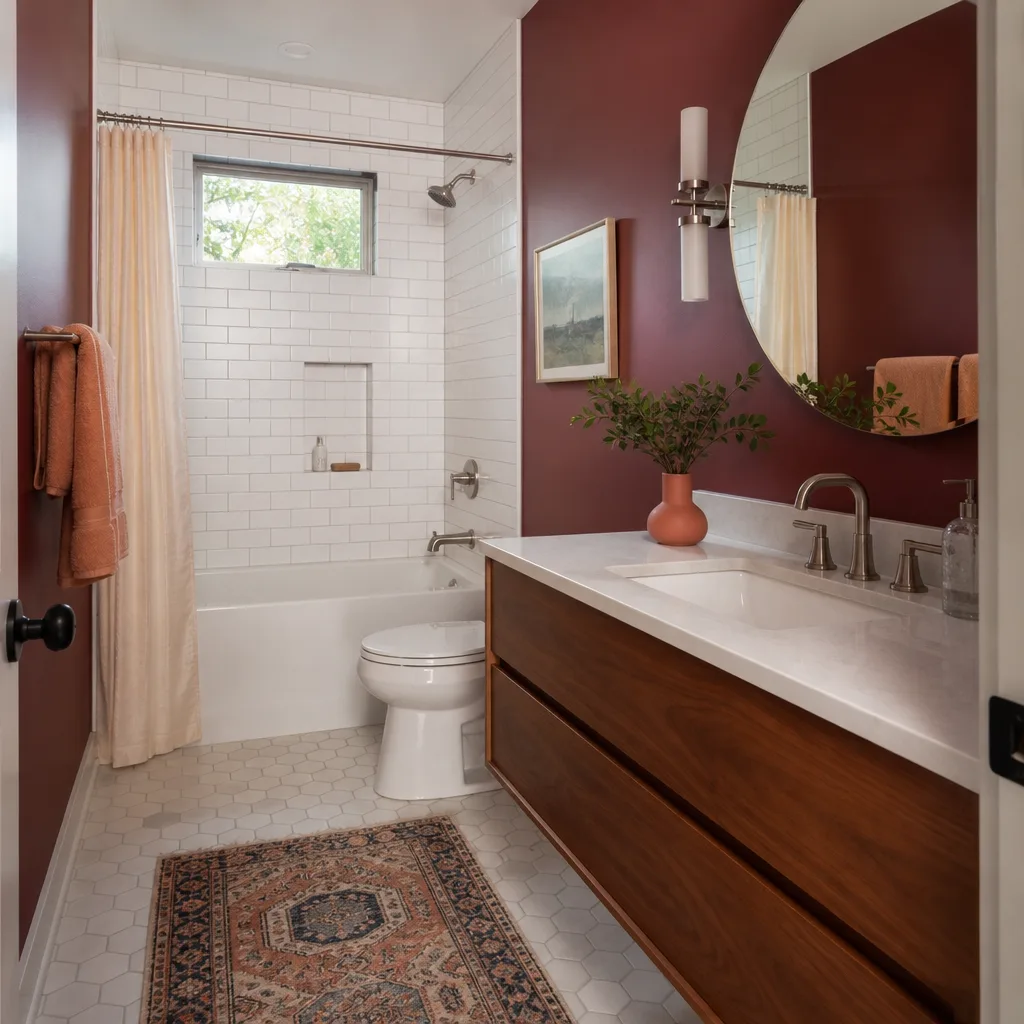
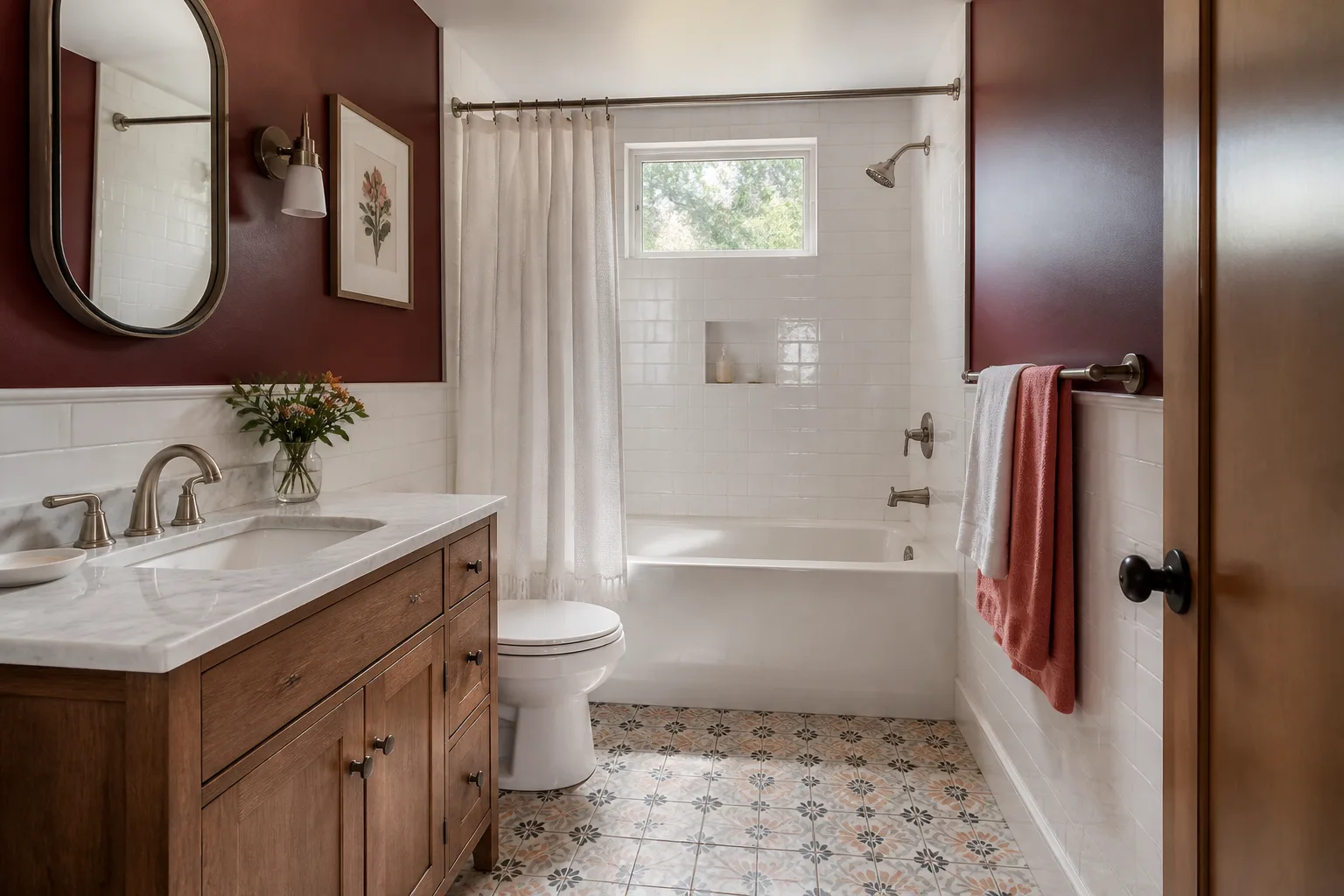
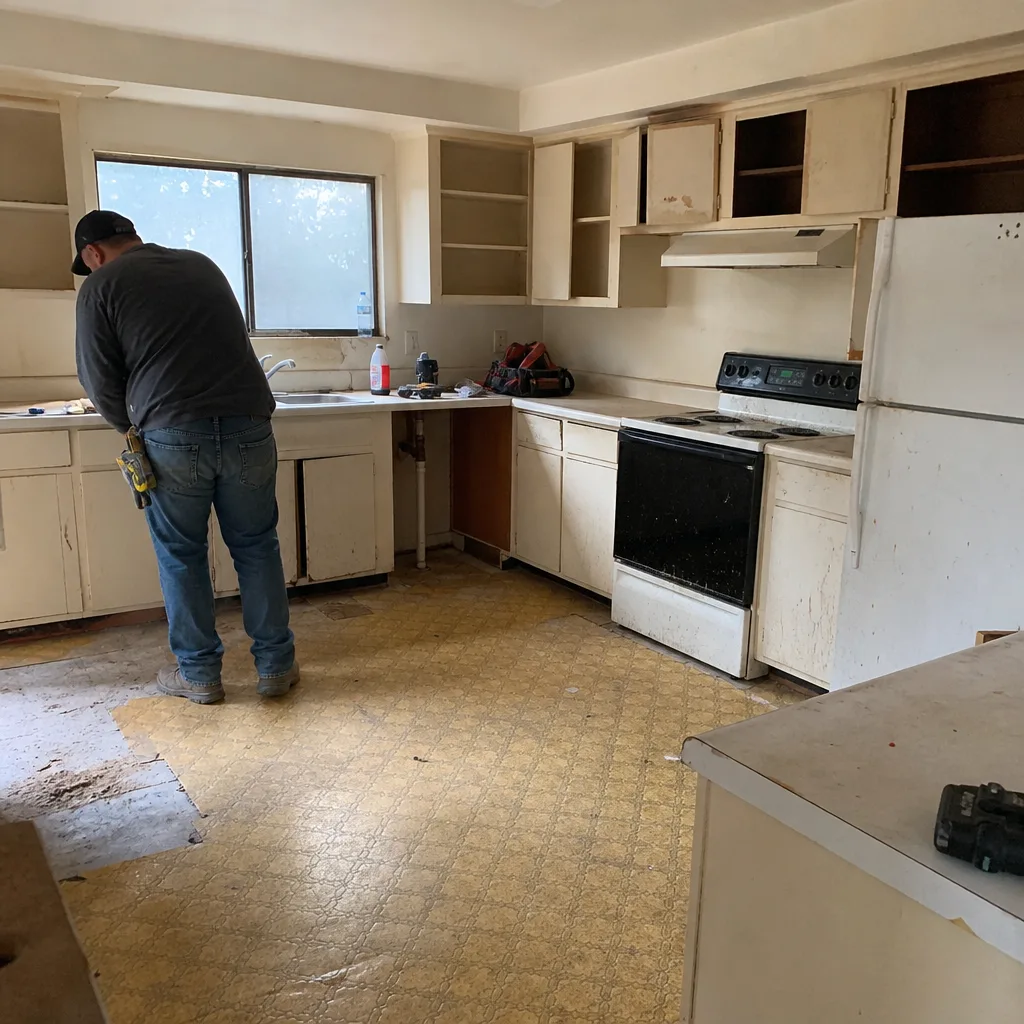 Before
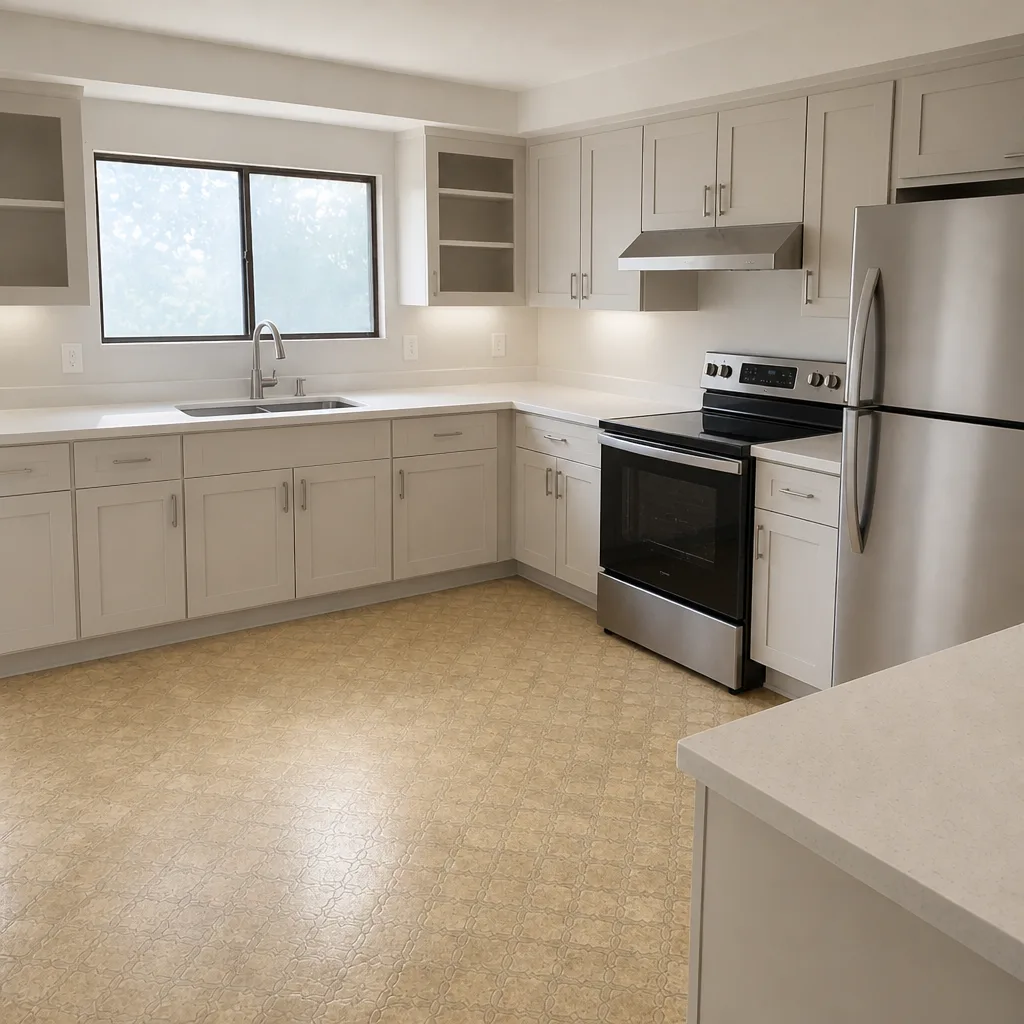 After
 Before
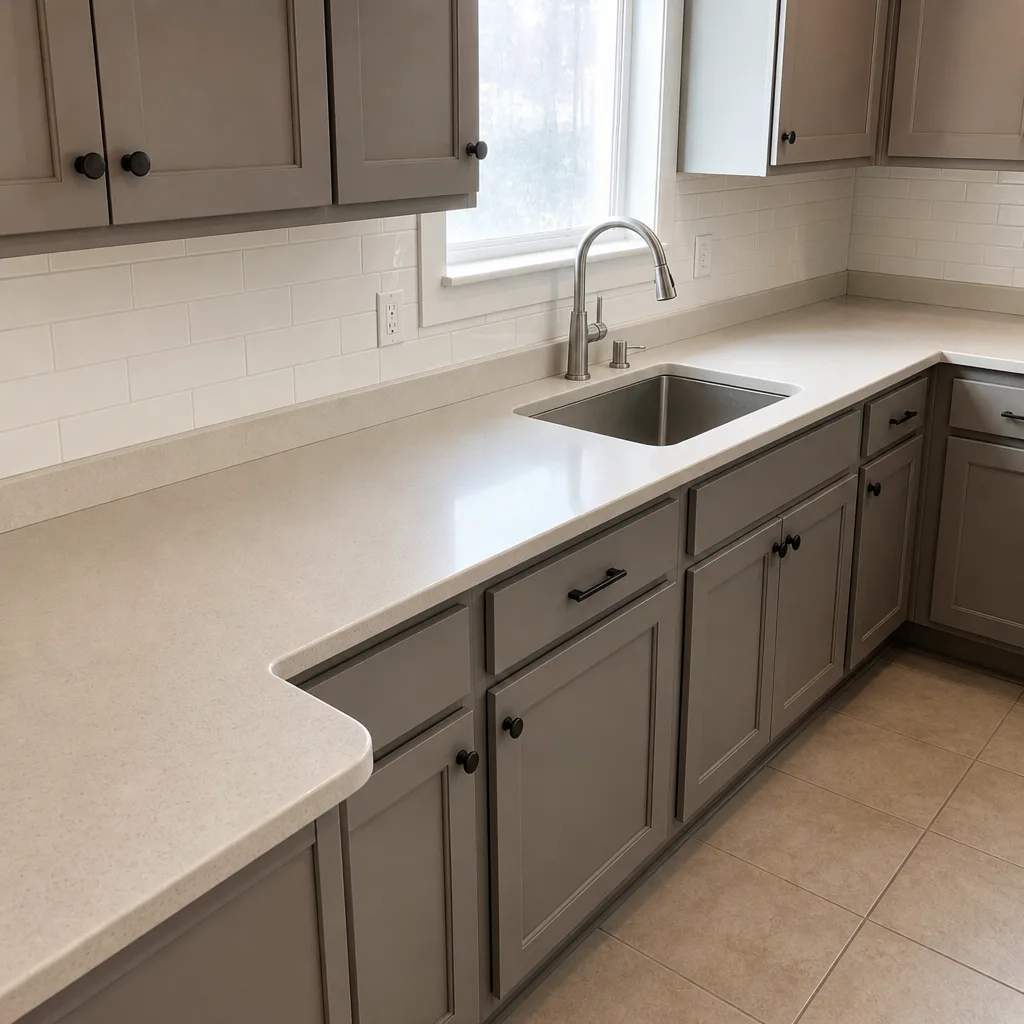 After
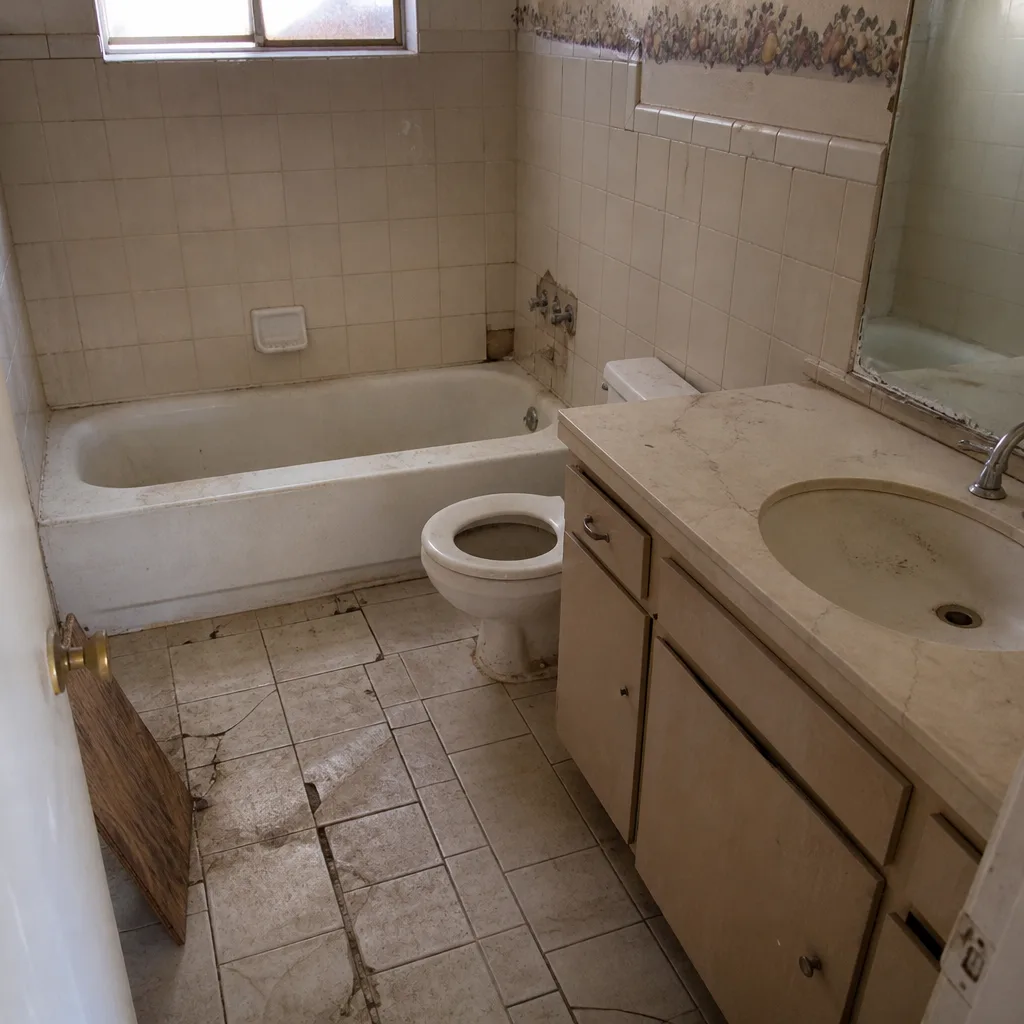 Before
 After
When to Call a Professional
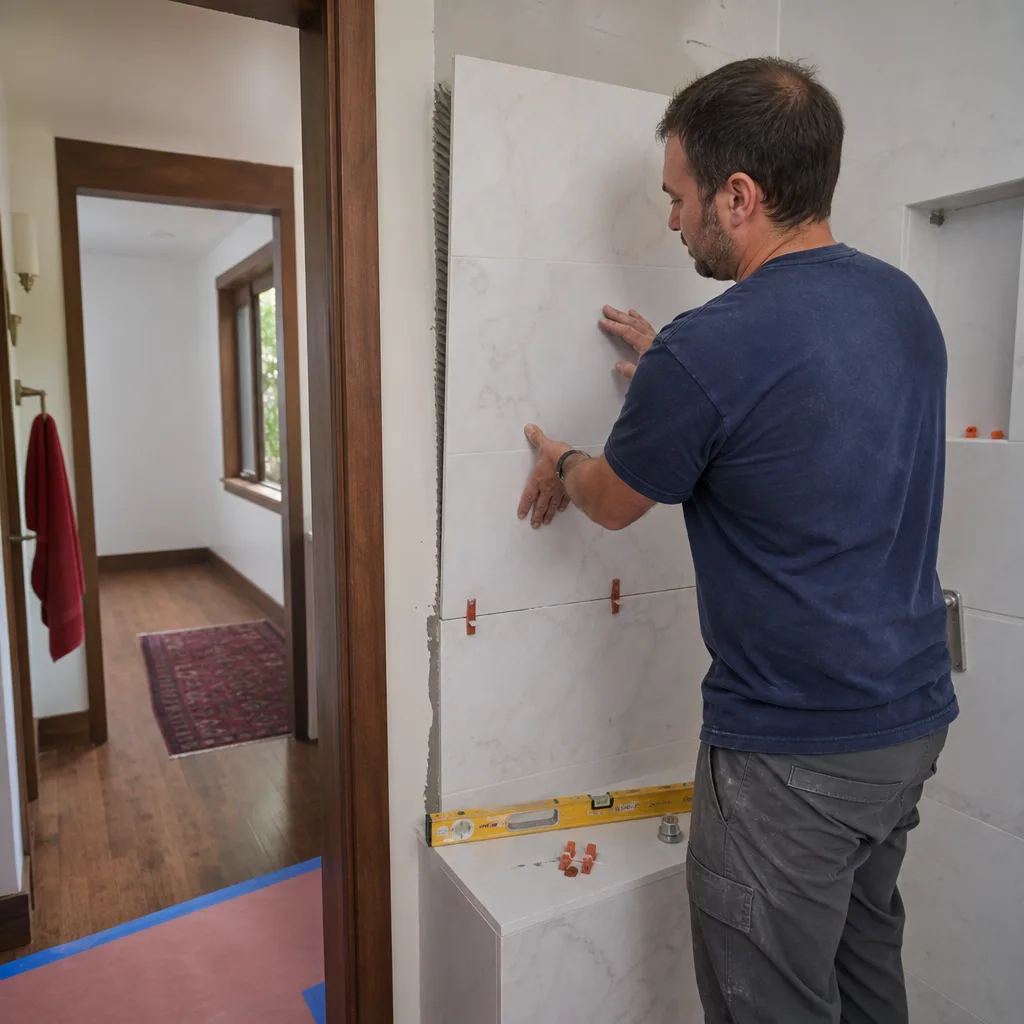
Some bathroom work is a homeowner project and some isn’t. Hanging a mirror, swapping a faucet, sealing grout – that’s you. Anything that touches the wet area’s plumbing, electrical, waterproofing or structural framing is a job for a licensed contractor, because the risk isn’t in doing it, it’s in what fails in year two when it wasn’t done right. If you’re staring at a shower that’s already cracking, a contractor who’s asking for cash, a warranty that never got written down, or a bid that came in 30 percent below every other written quote, those are the moments to bring in someone who prices it in writing and stands behind the work.
Penhallow Remodeling Boulder City offers free estimates in Boulder City – a written number, a real arrival window, and the 365-Day Done Right Promise on the back – so call (844) 834-9740 and we’ll walk you through it.
Written by the team at Penhallow Remodeling Boulder City.
Frequently Asked Questions
A mid-range full bath remodel in Boulder City typically runs $14,000 to $32,000 depending on layout, tile choice, cabinetry and whether the wet area is rebuilt. A larger primary bath with a curbless shower and custom vanity commonly lands between $28,000 and $55,000. The number that matters isn’t the range – it’s whether the contractor puts your specific price in writing before work starts. Call (844) 834-9740 for an exact quote – estimates are free.
It shouldn’t, if the original quote was written with line items and stated allowances. A written price holds unless your walls open to reveal something the contractor could not have seen – rotted framing, a bad drain connection – and even then, the change should come as a written change order you approve before the work proceeds. Verbal estimates are the ones that drift. Call (844) 834-9740 and we’ll put your price in writing up front.
Yes – wet-area plumbing, electrical and exhaust changes typically require permits and inspection in Boulder City, and the permit should be pulled before demo begins. Ask any contractor you’re considering for the permit number before they touch a tool; if they dodge the question or offer a cash discount, that’s your answer. Call (844) 834-9740 with questions about what your project will need.
A standard bath with a tub-to-shower conversion, new vanity and tile usually takes three to four weeks; a larger primary bath takes longer because of glass lead times and additional trades. Any quote promising one week is ignoring inspection lag and substrate cure time. Ask for the schedule in writing alongside the price. Call (844) 834-9740 to talk through your timeline – estimates are free.
Substrate is the layer behind your tile – typically cement board – that keeps moisture away from the framing. It matters more in Boulder City than in most places because the hard, mineral-heavy water attacks grout and pushes moisture into seams, and the swing between a hot shower and dry desert air moves tile and framing differently. A shower built over drywall can look perfect on day one and fail by year two. Call (844) 834-9740 and we’ll explain exactly what’s behind your tile.
If the work is covered by a written guarantee – like our 365-Day Done Right Promise – the contractor comes back and fixes it at no charge, and the return visit comes with no service call or re-inspection fee. A verbal “we stand behind it” means nothing in that scenario. Ask to see the written terms before you sign. Call (844) 834-9740 to request a free estimate with the guarantee spelled out.
The Bottom Line

The expensive mistakes in a bathroom remodel happen before demo day, in the first conversation, when a contractor won’t give you a written price, shrugs at the permit question, offers a cash discount, or can’t name a two-hour arrival window. Those are the signals that the number will drift once your walls are open and your leverage is gone. The fix is straightforward: ask for a written quote with line-item pricing and stated allowances, demand the permit number before work starts, ask for the guarantee terms in writing, and look hard at what’s behind the tile – especially in Boulder City’s hard water and dry desert climate. A kitchen remodeling in Boulder City project carries the same warning signs, so the same questions apply whether you’re upgrading a bath or a kitchen. Call (844) 834-9740 to schedule your free estimate.
Written by the team at Penhallow Remodeling Boulder City.