
Last updated November 18, 2026








Free written scope consultation - allowances, timeline, and change-order rules on paper before a single trade is scheduled
Home Remodeling Maintenance Schedule: What to Do and When
Most homeowners lose their remodeling warranty not because the work failed, but because they skipped a $12 caulk touch-up that was listed in the fine print. That’s the part nobody tells you when the crew packs up: the guarantee doesn’t just cover defects, it also depends on you doing a handful of small, dated tasks. Miss them and a legitimate claim can quietly evaporate. This guide lays out a real maintenance schedule for Boulder City homes, tied to what guarantees actually require, what our desert heat does to caulk and grout, and what to photograph so a future claim holds up. You’ll finish knowing which tasks are yours, which are ours, and when each one is due.
Quick Answer
A home remodeling maintenance schedule is the dated list of small tasks, such as caulking, grout sealing, filter changes and exterior touch-ups, that keeps your remodel inside its warranty. In Boulder City, the highest-priority items are caulk joints on exterior walls and wet areas, grout in showers and kitchens, and annual exterior paint checks, because desert sun breaks these down faster here than in cooler climates. Document each task with a dated photo, and keep that record for the life of every written guarantee on your home.
Styles & brands we work with
- Kitchen remodeling
- Bathroom remodeling
- Home additions & ADU
- Roofing
- Windows & doors
- Driveway & pavers
- Fence
Table of Contents
- Why Your Maintenance Schedule Is Really a Legal Document
- The Tasks That Are Tied to Warranty Language
- How Boulder City’s Desert Heat Changes the Timelines
- A Room-by-Room Annual Calendar for Nevada’s Climate
- What to Photograph and When
- Homeowner Maintenance vs. a Contractor Callback
- Common Mistakes to Avoid
- When to Call a Professional
Why Your Maintenance Schedule Is Really a Legal Document
A warranty is a two-way agreement. The contractor promises the work will hold up; you promise to keep the conditions that let it hold up. When a kitchen remodel or a bathroom remodel comes with a written guarantee, that guarantee almost always names a few maintenance obligations in plain language: keep caulk sealed, keep grout protected, don’t let water sit against the substrate (the layer beneath the finished surface). Skip those and the failure you’re reporting can be classified as neglect rather than a defect.
This matters more than most homeowners realize. In our experience walking through Boulder City homes that have had prior remodels, the failures we see are rarely the tile itself or the cabinet boxes. They’re at the seams: the caulk line where a backsplash meets a counter, the grout around a shower pan, the paint at a south-facing window trim. Those are exactly the surfaces the maintenance language in a guarantee is written to protect. Treat the schedule as a checklist you date and keep, not a vague intention to get to it eventually.
What a well-written guarantee should tell you, in writing, before any work starts:
- Which tasks are the homeowner’s responsibility and which are the contractor’s.
- How long the guarantee runs and what triggers a callback.
- What documentation you’ll need if something fails.
- Whether a return visit costs anything if a repair fails.
At Penhallow, every project carries a written price before work starts and a 365-Day Done Right Promise. If the work fails inside that period, we come back and fix it at no charge, and a free return visit applies if a repair fails. That’s the kind of guarantee worth reading line by line, because it tells you exactly what your schedule needs to protect. When you’re ready to price a project, the Penhallow Remodeling Boulder City home page is the place to start.
The Tasks That Are Tied to Warranty Language
Not every maintenance task carries legal weight. Replacing an HVAC filter matters for your air quality and equipment life, but it’s rarely named in a remodeling guarantee. The tasks below are the ones that show up in warranty language again and again, which makes them the ones to date and document.
Caulking
Caulk is the flexible seal at every seam where two materials meet: tub to tile, backsplash to counter, exterior trim to siding. When it cracks, water gets behind the surface and into the substrate, and that’s a failure a guarantee may not cover if the caulk wasn’t maintained. Inspect interior caulk twice a year, exterior caulk every spring.
Grout sealing
Grout is porous. Sealing it keeps water on the surface where it belongs instead of soaking into the tile bed. In showers and kitchen backsplashes, reseal every 12 to 18 months, and reseal sooner if water stops beading. Keep a dated note of each sealing.
Exterior paint and trim
Paint is a moisture barrier on siding and trim. Once it fails, water reaches the wood or fiber-cement behind it. Walk the exterior every spring and touch up any spot that’s chalky, cracked or peeling. If your remodel used James Hardie siding, follow the manufacturer’s finish guidance alongside your contractor’s.
HVAC filter changes
This one is usually manufacturer and equipment warranty territory rather than a remodeling guarantee, but it still deserves a dated log. A clogged filter strains the system and can void equipment coverage. Change it monthly through cooling season in Boulder City, when the AC runs hard from May to October.
If you’re planning a project and want to know upfront how the guarantee language reads before you commit, the General Contractor in Boulder City page explains how we put the price and the promise in writing before any work starts.
How Boulder City’s Desert Heat Changes the Timelines
Generic maintenance advice assumes four mild seasons. Boulder City doesn’t offer that. Summer highs push well past 100°F, and the sun hits south- and west-facing walls hard. That combination breaks down caulk, grout and paint faster here than national timelines suggest, and it’s why a schedule built for a temperate climate will leave you behind.
What that means in practice:
- Caulk on sun-exposed exterior joints may need replacement every 2 to 3 years here, versus the 5-plus years often quoted for cooler climates. Interior caulk in a hot, dry house can dry and crack faster too.
- Grout in a sunlit bathroom or kitchen can lose its seal in under a year. Reseal on the shorter end of the 12-to-18-month window if the room gets direct sun.
- Exterior paint on south and west walls chalks and fades first. Expect to touch up those faces more often than north-facing ones.
- Expansion and contraction from hot days and cool desert nights work seams and joints harder, which is exactly where failures start.
We’ve seen this pattern repeatedly in Boulder City homes near the historic district, where older construction and intense sun exposure combine to age exterior joints quickly. When you schedule, weight your attention toward the sun-facing side of the house and the wet rooms, not the whole exterior equally.
A Room-by-Room Annual Calendar for Nevada’s Climate
Here’s a schedule built around Boulder City’s actual seasons rather than a generic spring-and-fall list. The idea is to do each task in the window where it makes the most sense: before the heat, before the cool season, and after the worst of summer sun.
Kitchen
- Early spring: inspect and refresh caulk at the backsplash-to-counter seam. Photograph it before and after.
- Late spring: reseal countertop and backsplash grout if it’s due. For quartz surfaces such as Cambria or Silestone, follow the manufacturer’s care guidance, which often recommends against harsh cleaners.
- Monthly May-October: change the HVAC filter and note the date.
Bathroom
- Early spring: inspect caulk at the tub, shower pan and sink. Re-caulk any cracked seam.
- Fall: reseal shower grout ahead of the cooler months when the windows stay shut more.
- After any leak or slow drain: photograph the affected area immediately, before you clean it up.
Exterior (siding, trim, windows, doors)
- March-April: walk the full exterior, photograph any failing paint, chalky trim or cracked caulk, and schedule touch-ups before summer heat.
- October: a second inspection after the worst of the sun season. This is when Boulder City sun damage shows most.
- Window and door hardware: lubricate moving parts and check seals each fall, especially on sliding units.
Whole-home
- January: review all dated records from the prior year and note anything still under an active guarantee.
- Any month a repair is made: file the written guarantee and log the date.
What to Photograph and When
Documentation is what turns a maintenance habit into protection. If a claim ever comes up, a dated photo taken the day a task was done is the difference between a covered repair and an argument. The habit is simple and takes a couple of minutes.
Follow this sequence for every task you complete:
- Photograph the “before.” Capture the seam, joint or surface with a clear view, ideally with a date stamp from your phone’s camera app.
- Complete the task. Re-caulk, reseal, or touch up as needed.
- Photograph the “after.” Same angle, same framing, so the completed work is obvious.
- Name the file with the date and location. Something like “kitchen-backsplash-caulk-2026-04.jpg” tells the whole story later.
- Log it. Keep a simple running list of task, date and product used, in a note on your phone or a folder on your computer.
Take the same approach if something fails. Photograph the failure before you touch it, note the date, and then call. A contractor reviewing a claim can work far faster with a dated photo and a maintenance log than with a description over the phone. This same documentation habit strengthens insurance claims, too, whether the issue is water intrusion, storm damage or a product defect.
Homeowner Maintenance vs. a Contractor Callback
The line between “this is your job” and “this is our job” can be fuzzy, and guessing wrong is how homeowners end up frustrated. Here’s how we draw it in plain terms.
Yours to maintain: sealing caulk and grout, changing filters, touching up paint, keeping the surfaces that protect the work intact. These are routine tasks any homeowner can do or hire out.
A contractor callback under a 365-day guarantee: failures that are the work’s responsibility, such as a cabinet door that comes out of alignment, a tile that lifts, a shower pan that leaks through no fault of maintenance, or a fixture that fails. If the work fails inside the guarantee period, the fix is on us, and a free return visit applies if a repair fails.
The overlap is where the schedule matters. If a shower leaks but the grout was never sealed, the conversation gets complicated. If the grout was sealed and logged, and the leak still happens, that’s a clean callback. In our experience, the homeowners who keep a simple maintenance log get faster, cleaner resolutions, and that log is the honest reason we recommend the schedule so insistently.
For bathrooms where water is the main threat, the details of how a remodel is built to handle moisture are worth understanding in advance. The Bathroom Remodeling in Boulder City page covers how we approach waterproofing and finishes.
Common Mistakes to Avoid
- Skipping the caulk touch-up because it’s “just cosmetic.” That $12 tube of caulk is the barrier that keeps water out of the substrate, and the fine print in most guarantees names it. Let it crack and the failure can become your responsibility.
- Maintaining on a national timetable. Boulder City’s sun and heat break down exterior joints faster than mild-climate schedules assume, so a 5-year caulk replacement plan will leave you behind. Weight your attention toward the sun-facing side.
- Cleaning up a leak before photographing it. Once the water is mopped, the evidence is gone and a claim gets harder. Photograph first, clean up second.
- Not keeping records. A written guarantee depends on documented maintenance. No log, no easy claim.
- Confusing manufacturer warranties with your contractor guarantee. A quartz countertop may carry its own warranty separate from the workmanship guarantee. Keep the paperwork for both.
- Letting exterior paint fail unnoticed. Peeling paint on siding or trim lets water in behind the finish. A spring walk-around catches it before it becomes a repair.
- Waiting until something breaks to read the guarantee. Read the maintenance terms the day the project closes out, so you know what your schedule needs to protect.
When to Call a Professional
Some tasks are yours; some need a trained eye. Call a professional if you find water staining on a ceiling or wall, a shower pan that leaks despite sealed grout, a cabinet or door that has come loose from its frame, exterior siding or trim that’s soft to the touch, or any failure that looks like it traces back to the original work. Those are callback territory, not weekend-project territory, and diagnosing them yourself can make a fix harder. If the repair is a genuine failure inside a guarantee, a return visit shouldn’t cost you anything. Penhallow Remodeling Boulder City offers free estimates in Boulder City. Call (844) 834-9740 and a real person will answer, day or night. We’ll tell you plainly whether it’s our callback or your maintenance, and put the answer in writing.
See the difference
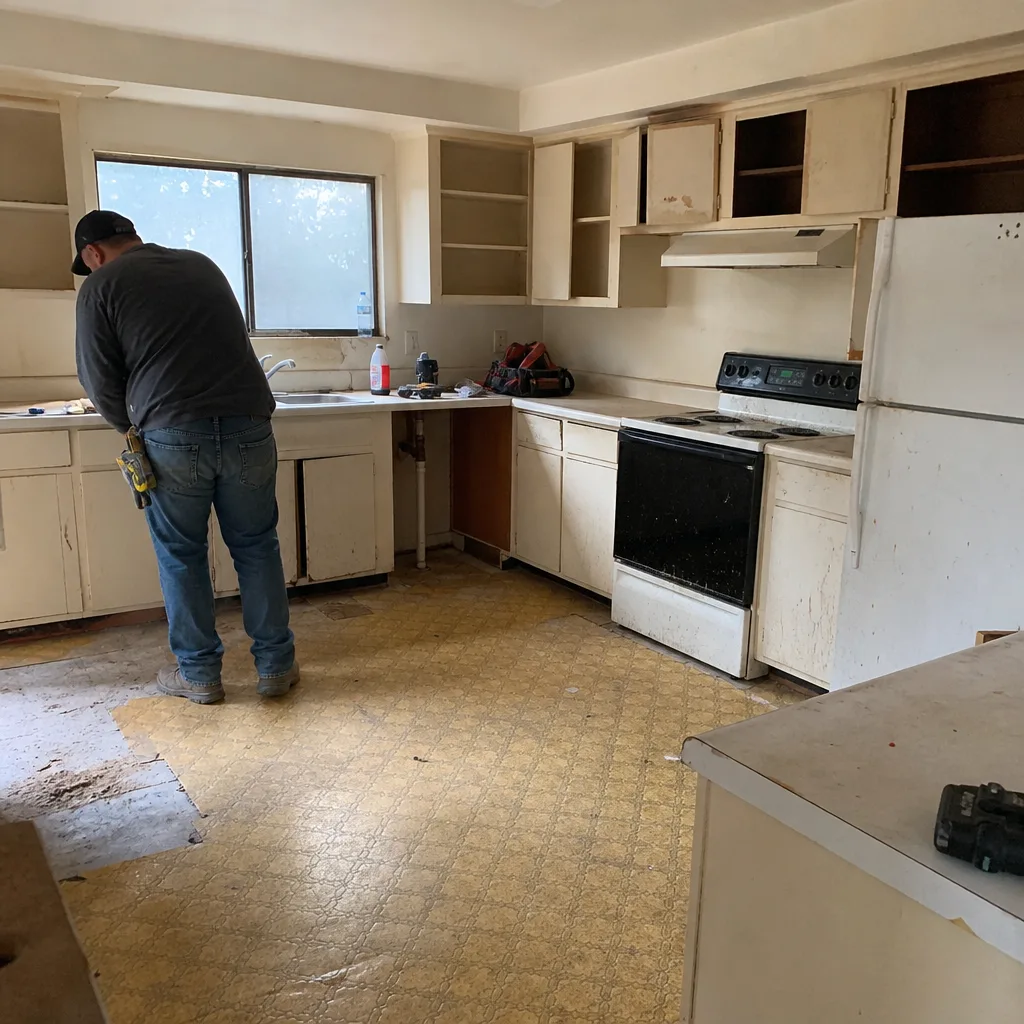 Before
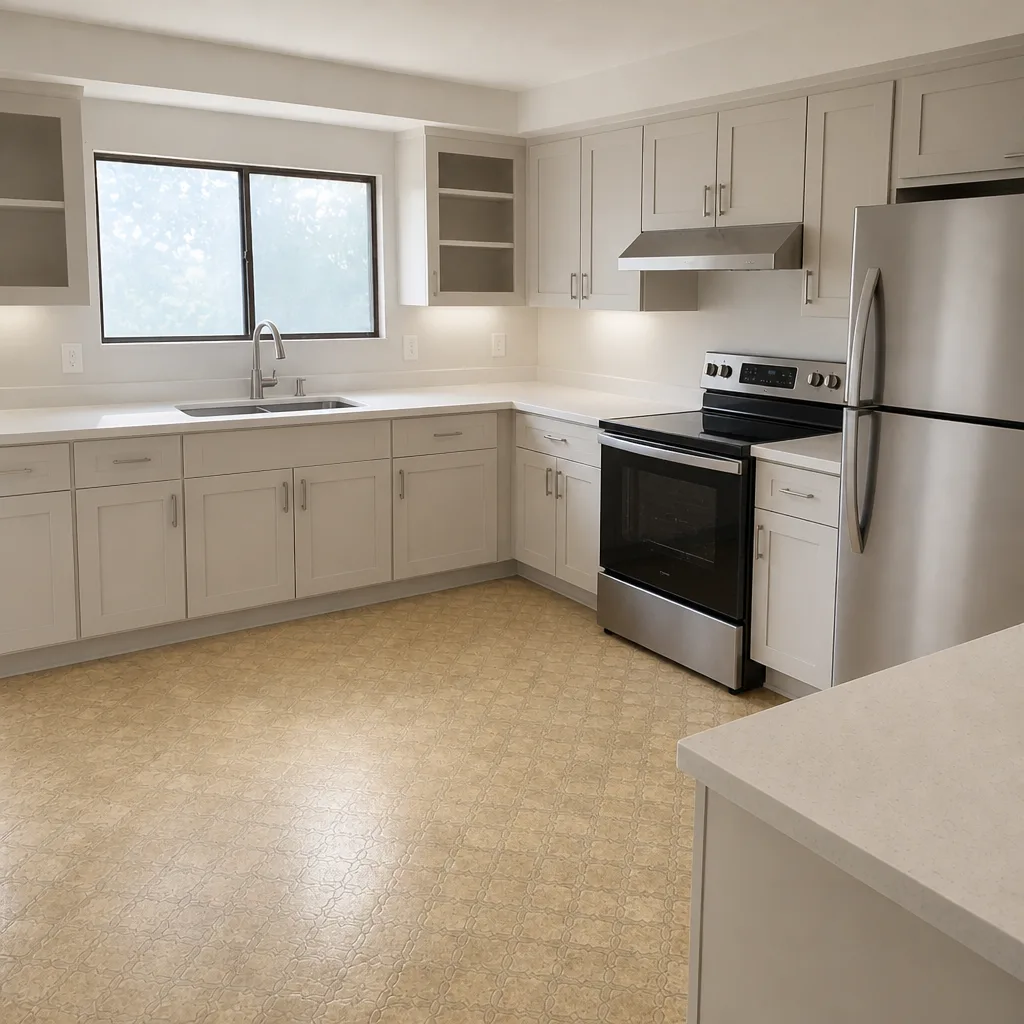 After
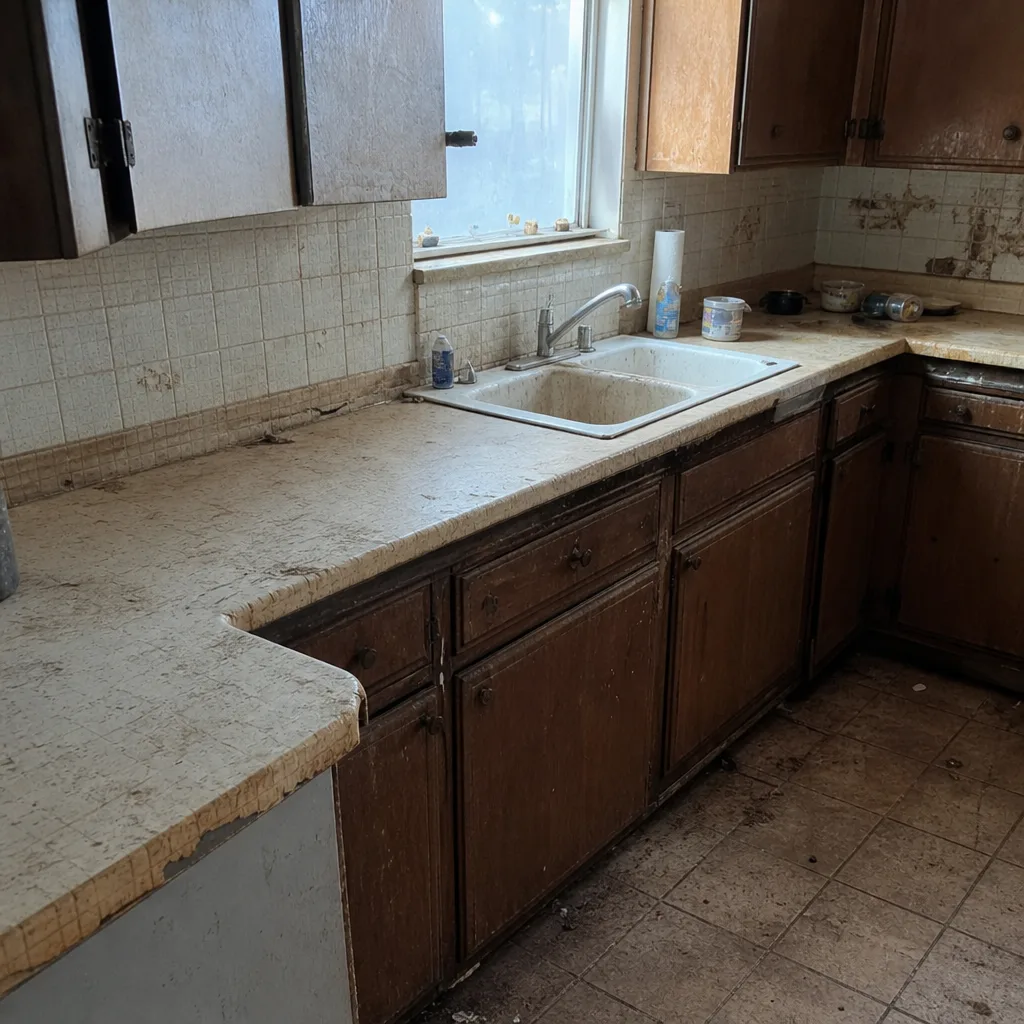 Before
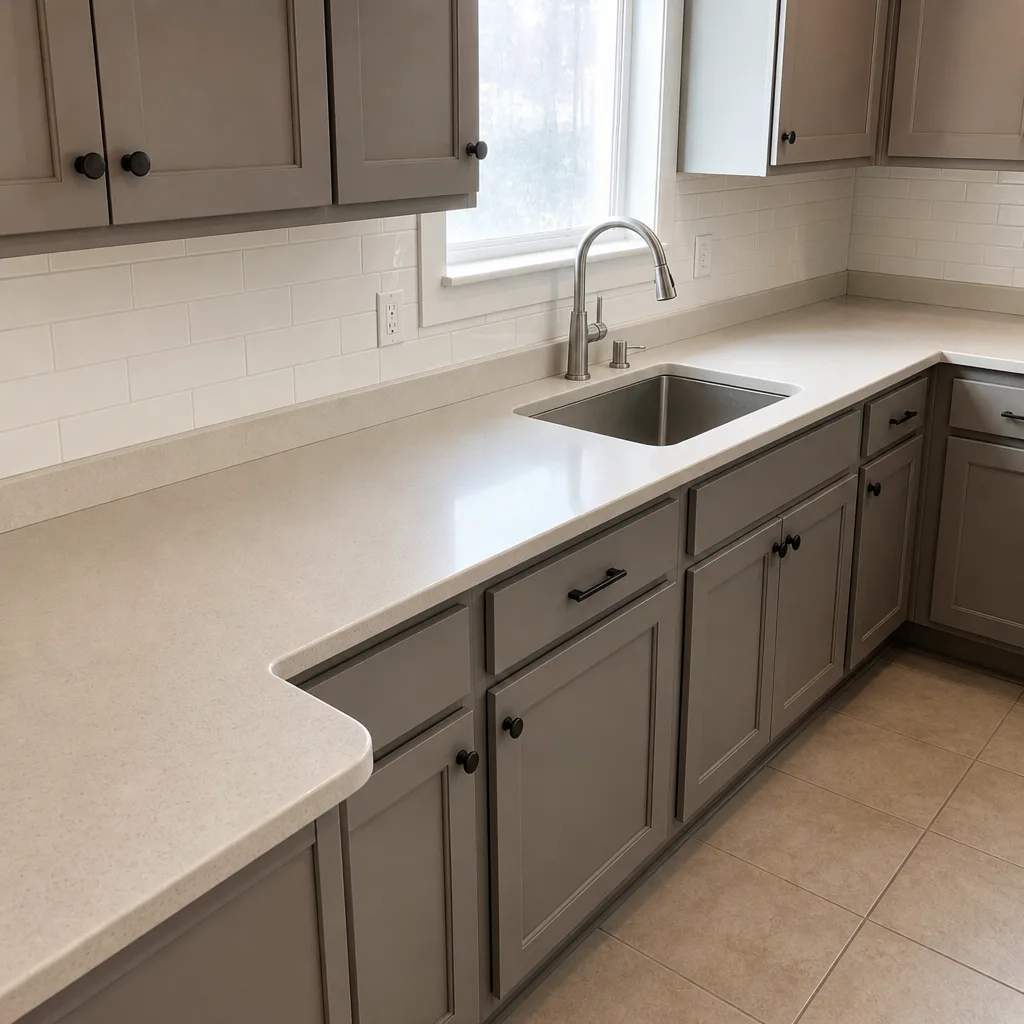 After
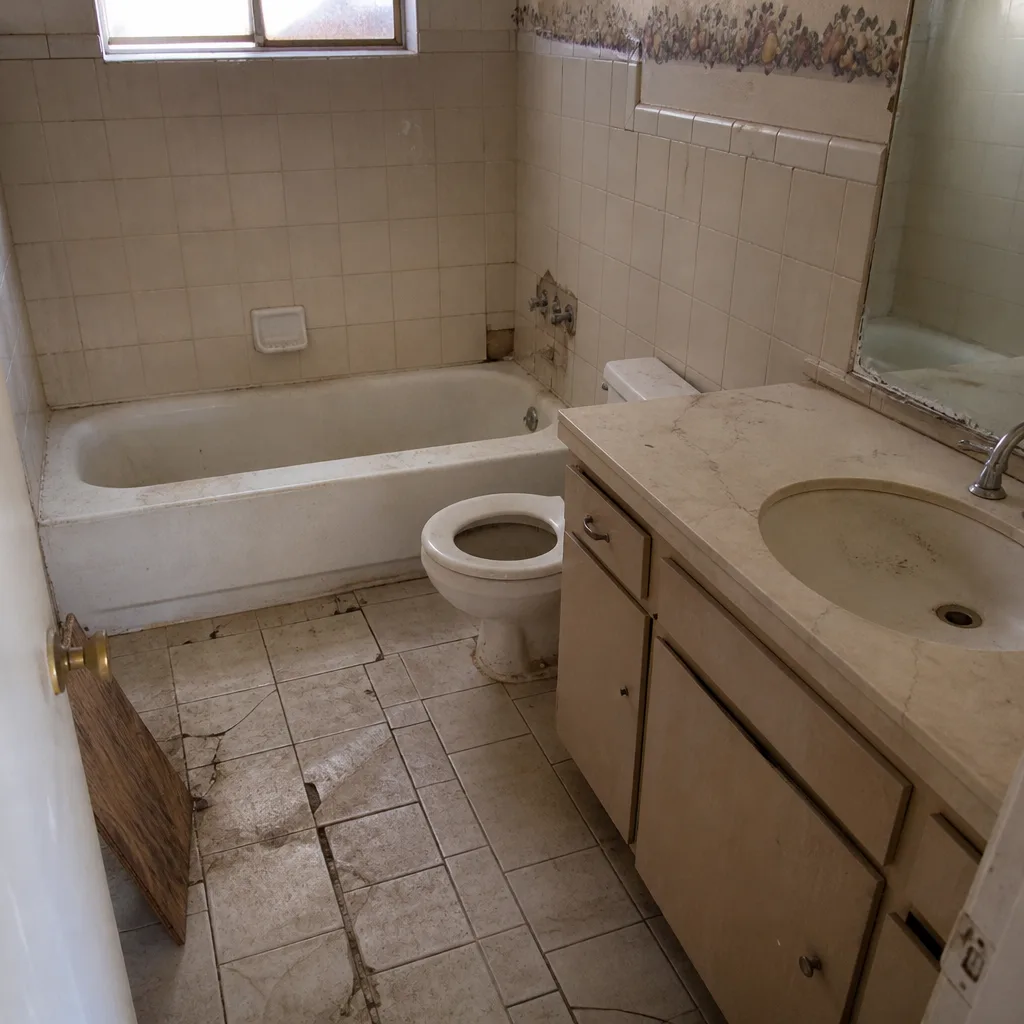 Before
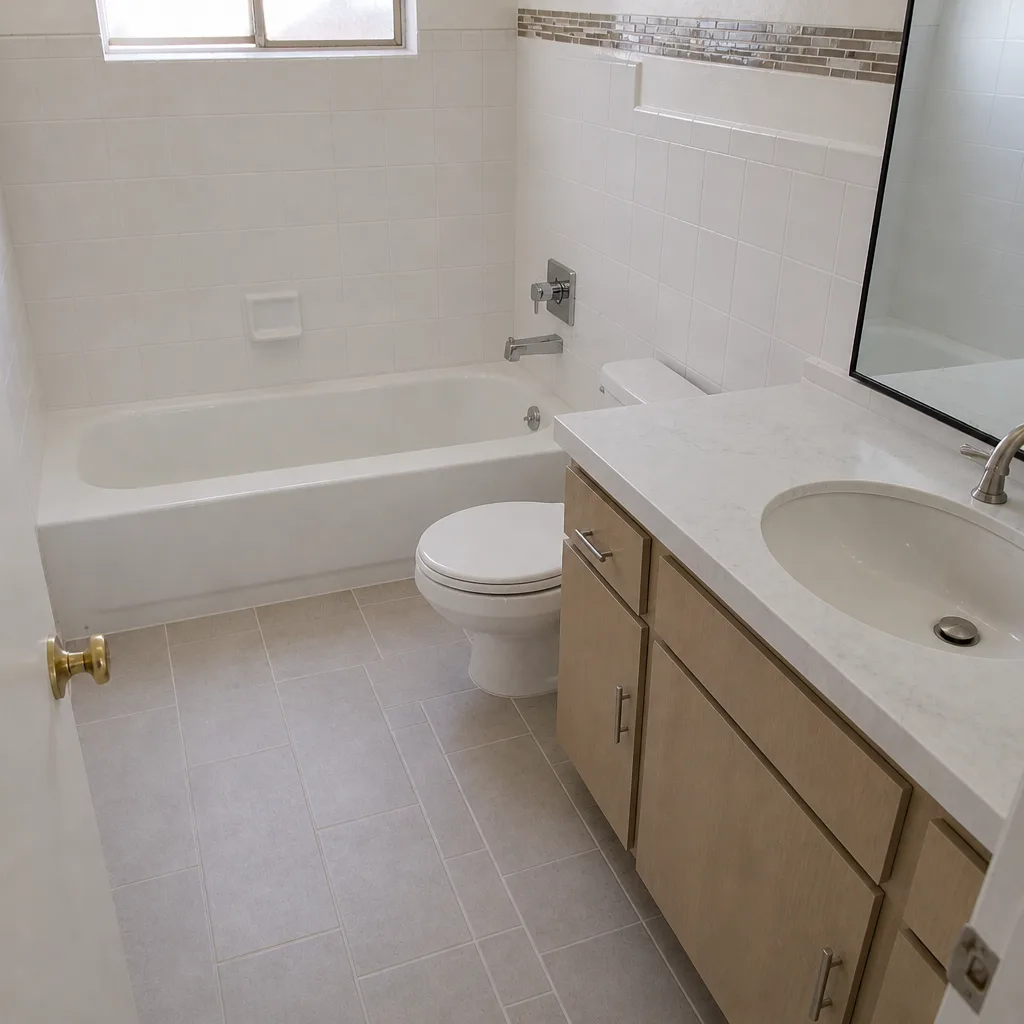 After
Frequently Asked Questions

It can. Most written guarantees name specific maintenance obligations, and if a failure traces back to skipped caulking or unsealed grout, the repair can be treated as homeowner responsibility rather than a covered defect. Read your guarantee’s maintenance terms when the project closes out, log each task with a date, and you’ll keep the coverage intact. Call (844) 834-9740 if you’re unsure how your guarantee reads.
Every 12 to 18 months for most bathrooms and kitchens, and on the shorter end if the room gets direct desert sun. Water should bead on properly sealed grout; once it starts soaking in, it’s time to reseal. Keep a dated note each time.
Maintenance is the routine protection you do: caulk, grout, paint, filters. A callback is when the work itself fails, such as a leaking pan or a lifting tile, which falls under the guarantee. If a repair fails inside the guarantee period, Penhallow comes back at no charge with a free return visit. Call (844) 834-9740 to sort out which one you’re facing.
Yes. A dated before-and-after photo and a simple running log turn a routine task into proof if a claim ever comes up. It also speeds up insurance claims and any warranty conversation.
They’re separate layers. Brands like KraftMaid, Wellborn, Cambria, Silestone and Caesarstone carry their own product warranties, and your contractor’s workmanship guarantee covers the installation. Keep the paperwork for both and store it with your maintenance log, so a future claim has everything it needs. Call (844) 834-9740 for a free estimate on a kitchen or bath project.
Early spring, before the heat arrives, and again in October after the worst of the sun season. Those two windows catch exterior wear at the point it matters most, and they line up with when caulk and paint are easiest to work with. Call (844) 834-9740 to schedule a free estimate for anything the walk-around turns up.
The Bottom Line
A maintenance schedule is the document that keeps your guarantee alive. Date every caulk and grout task, photograph before and after, log the HVAC filter changes, and walk the exterior twice a year, weighting the sun-facing side because Boulder City heat ages those surfaces faster than national timelines assume. Know which tasks are yours and which are a callback under your written guarantee. Do those few things and a legitimate claim stays legitimate. Skip them and you can lose coverage over a $12 tube of caulk. When a project is ready to price, Penhallow Remodeling Boulder City puts the number and the promise in writing before work starts. Call (844) 834-9740 for a free estimate.
Written by the team at Penhallow Remodeling Boulder City.