
Last updated November 18, 2026








Free written scope consultation - allowances, timeline, and change-order rules on paper before a single trade is scheduled
Home Remodeling Troubleshooting: Common Problems and How to Fix Them
If your contractor and you have a different understanding of what was agreed to, you don’t have a workmanship problem – you have a documentation problem, and the fix starts with what you signed, not with what gets torn out. That single distinction solves more remodeling disputes than any level of carpentry skill. In our experience across Boulder City, most “problems” that arrive mid-project fall into one of two buckets: a communication gap, or a genuine defect. They look identical from the kitchen floor. They are not identical, and they get fixed in completely different ways. This guide teaches you to tell them apart, audit what you actually agreed to, and escalate only when escalation is the right move.
Quick Answer
To fix a remodeling problem, first determine whether it’s a documentation problem (a mismatch between what you understood and what the contract or change order states) or a construction defect (work that was done wrong or materials that failed). Documentation problems are solved by reviewing the signed contract and written change orders; defects are solved by a warranty claim. Escalation to the Nevada State Contractors Board is a last step, not a first one, and only after written communication has failed to resolve a documented defect or abandonment.
Styles & brands we work with
- Kitchen remodeling
- Bathroom remodeling
- Home additions & ADU
- Roofing
- Windows & doors
- Driveway & pavers
- Fence
Table of Contents
- The Documentation Audit: Do This Before You Escalate Anything
- Handling “That’s Not What We Talked About” Without Tearing Out Tile
- Defect vs. Normal Settling vs. Undisclosed Pre-Existing Condition
- Nevada Contractor Dispute Escalation: The Practical Path
- How a 365-Day Written Guarantee Changes the Troubleshooting Dynamic
- Boulder City Climate Problems That Aren’t Actually Defects
- What to Document and When to Call During a Project
- Problems After Completion: The First 30 Days and the Next 300
The Documentation Audit: Do This Before You Escalate Anything
Before you call a lawyer, post a review, or stand in the driveway with your arms crossed, do one unglamorous thing: read what you actually signed. Contractors who operate to the Penhallow Remodeling Boulder City home page standard hand you a written price before work starts for exactly this reason. If your paperwork is thin, you need to know that before you pick a fight you can’t document.
Pull three categories of paper:
- The contract itself – scope, specifications, allowances, payment schedule, and the completion terms. Look specifically at what’s called out as “included” versus “allowance.” A $6,000 tile allowance isn’t a promise of $6,000 tile; it’s a budget line that moves.
- Change orders – every signed, dated modification. If the change was verbal and never written, this is the exact moment it stops being enforceable.
- Written communications – texts, emails, and any notes from walkthroughs. Timestamps matter. A text saying “yes, go ahead with the larger vanity” is a change order in spirit even if not on company letterhead.
Lay them side by side and ask one question: what does the paperwork say was agreed to? Nine times out of ten, the answer resolves the dispute before a single tool comes out. In Boulder City, we’ve watched homeowners argue about a supposed “promised” cabinet upgrade when the signed allowance covered the standard KraftMaid line, not the upgraded one – and the contract was the answer. The conversation is uncomfortable; the dispute is short. That’s a good trade.
Handling “That’s Not What We Talked About” Without Tearing Out Tile
The single most common mid-project conflict isn’t wrong work. It’s a scope gap – one person thought a thing was included, the other didn’t. The resolution tool is a written change order, not another conversation in the hallway.
A change order does three jobs at once: it names the change, prices it, and states how it affects the schedule. Sign it before the work moves. This isn’t bureaucracy; it’s the only thing that prevents the same argument from resurfacing on the final invoice, when the money is on the table and goodwill is gone.
Here’s how to run one when a scope gap appears:
- Pause the affected work only. Not the whole project. If the tile layout is in dispute, the electrician keeps roughing in. Don’t stop the job to have a conversation.
- Write down your understanding first, in an email or text, before you discuss it verbally. Your written version becomes a reference point.
- Ask for a written change order that names the change and the price. A contractor who hedges or hand-waves this is telling you something about how the rest of the project will go.
- Sign or don’t sign – but don’t proceed on a verbal yes. If the price is wrong, negotiate in writing, then sign the revised version.
- File it with the contract. Keep every change order in the same folder. This is the file you’ll consult if there’s ever a dispute.
Since change orders can be a hassle, note this about our process: homeowners working with a general contractor in Boulder City through us get a written price before any work starts, and change orders go in writing before the crew picks up a tool. No verbal ballpark that becomes a surprise on the invoice.
Defect vs. Normal Settling vs. Undisclosed Pre-Existing Condition
Not every crack is a problem. Not every problem is a defect. Getting this classification right is the difference between a fix you’re owed and a fix you’ll pay for.
A defect
A defect is work that was done wrong or materials that failed inside their normal service window. A shower pan that leaks into the living room ceiling within a year, a cabinet door that won’t align because the hinge was set into bad substrate, a floor that’s visibly buckling at a seam three months after install. Defects are the contractor’s responsibility and should be covered by a warranty. Document with photos, dated, with something for scale in the frame.
Normal settling
Hairline cracks in drywall at seams, a door that sticks slightly as seasonal humidity shifts, a tile grout line that shrinks in a dry cycle: these are normal. In Boulder City’s climate – dry air, big daily temperature swings, summer highs that push 110°F – you’ll see more minor grout and drywall movement than homeowners in coastal markets. That’s the desert, not the contractor. A reasonable manufacturer warranty still covers genuine failure; cosmetic settling is on the homeowner.
Undisclosed pre-existing condition
This is the tricky one. A bathroom demo reveals water damage behind a wall that no one knew about. A kitchen tear-out exposes knob-and-tube wiring or a non-permitted framing shortcut from a previous owner. This is not a defect in the new work. It’s a discovery. The conversation is about scope, price, and how to bring it up to code – and it’s a separate conversation from any warranty claim. Ask for it in writing, with photos, and priced as its own line.
As the crew opens walls on your bathroom remodeling in Boulder City, expect conversations like this to come up. A contractor who’s seen them before will flag the possibility before demo, not after.
Nevada Contractor Dispute Escalation: The Practical Path
Most disputes never need to leave the contractor’s phone line. A few do. Here’s the practical path, in order, so you don’t jump to step four while step one is still available.
- Direct conversation with the contractor. Ask for a walkthrough. Bring your documentation audit. State the issue and what resolution you want. Give a timeline for the response – five business days is reasonable.
- Written follow-up. If the call doesn’t resolve it, send a written summary of the conversation and the resolution you’re asking for. Email is fine. Keep a copy. This creates a record.
- Formal written demand. A letter or email that names the defect, the contract provision or warranty language it violates, the resolution you’re requesting, and a date by which you expect a response. Polite, specific, documented.
- Nevada State Contractors Board complaint. Nevada licenses contractors through the NSCB, and the Board handles complaints about workmanship, abandonment, and unlicensed activity. File when steps one through three have failed or the contractor has gone silent for an extended period. Keep copies of your contract, change orders, photos, and correspondence.
- Private legal remedy. Small claims or civil action for amounts and issues the Board’s process doesn’t resolve. Usually last, usually for significant sums.
Skip steps at your own peril – the Board process relies on the record you build in the earlier steps. The trail you keep in the first week of a dispute is the trail that resolves it later.
How a 365-Day Written Guarantee Changes the Troubleshooting Dynamic
A real written guarantee flips the troubleshooting conversation. When the promise is on paper – signed, dated, included with every job – the question shifts from “will they come back?” to “when will they come back and what will the visit cover?” That’s a different, much less stressful problem.
Our 365-Day Done Right Promise runs this way: if the work fails inside the guarantee period, we come back and fix it at no charge. That’s not a marketing line; it’s written into the contract on every project. The guarantee is paired with a free return visit if a repair fails – no service call, no re-inspection fee. If the second visit reveals a new problem the first diagnosis missed, we make it right under the same written promise.
What should you document when something happens, so the visit is fast and productive?
- Photos of the issue, dated, with something for scale in the frame
- When the problem first appeared and whether it’s getting worse
- What you were doing when it appeared (ran the shower, opened the cabinet, cooked on the range)
- Any product paperwork you have – a failing cabinet hinge, a leaking Kohler fixture, a counter seam that’s opening in a Cambria slab
Materials matter here too. We install KraftMaid and Wellborn cabinetry, Cambria, Silestone and Caesarstone countertops, and Kohler and Moen fixtures because those brands back their products with their own warranties alongside ours. If a cartridge fails inside the first year, the brand has a path and so do we. When you’ve got a documented problem and a written guarantee on the other side of the phone, the call is short.
Boulder City Climate Problems That Aren’t Actually Defects
Some “problems” are weather. Boulder City sits at the edge of the Mojave, and the housing stock here – mid-century and newer construction alike – gets worked hard by it. Knowing what the desert does to a remodel saves you a lot of unnecessary phone calls.
- Seasonal drywall cracking at seams. Interiors dry out hard in the summer. Hairline cracks at tape seams are cosmetic. The fix is a re-tape next painting cycle, not a warranty claim.
- Door and cabinet movement. Wood moves with humidity swings. A cabinet door that slightly rubs in July and swings free in January is doing what wood does. Adjusting the hinge is routine maintenance.
- Grout shrinkage and efflorescence. Dry cycles shrink grout lines, and Boulder City’s mineral-rich water can leave white chalky deposits on new tile. Both are normal for the first year and settle after a re-seal.
- Sun damage on west-facing exteriors. James Hardie siding holds up well; lesser products fade. If you’re looking at a west wall getting bleached in three summers, the product was wrong for the exposure, not the install.
- Wind-driven dust intrusion. Gaps around older exterior doors and windows let desert wind in. This is a weatherization issue, not a kitchen-remodel defect – but it’s worth addressing during a whole-home project rather than after.
When we plan a kitchen remodeling in Boulder City, we account for the west-facing sun and the dry cycle before specification, not after. That’s the difference between a product that holds up for its full service life and one that’s failing in year three.
What to Document and When to Call During a Project
The best time to build your documentation trail is before anything goes wrong. It costs fifteen minutes a week. It saves every conversation you’ll ever have about the project.
A simple weekly habit:
- Photograph the day’s visible progress at the end of the week. Wide shots and detail shots. No curation, no staging.
- Save every written communication in a single folder – emails, texts, change orders, invoices. Screenshot the texts; don’t rely on the phone.
- Keep a running note of verbal conversations with dates. “On Tuesday, the lead said the tile would be in by Friday” – even one line is enough.
- Call the moment something doesn’t look right, before it’s compounded. A small misalignment is a 10-minute conversation on the day it happens and a large argument two weeks later.
Our phones are answered live, 24/7, by a person – not a voicemail maze, not a callback window. That’s not a promotional line; it’s a standing standard. You call, someone picks up, and if it’s during work hours we route it to the right person and follow up in writing. That’s the practical form of The Kingswell Way in action: say the price before the work, show up in the window we gave, leave the place cleaner than we found it.
Problems After Completion: The First 30 Days and the Next 300
The first thirty days after a project closes are the diagnostic window. Anything you’re going to notice will usually surface in that stretch. Walk the whole project with a critical eye in week one, and again at day thirty. Bring a flashlight and a level.
What to check specifically:
- Doors and drawers – every one, multiple times. Do they latch, close flush, and hold adjustment?
- Water lines – under sinks, behind the fridge, at supply connections. A slow drip in week one is a quick fix; a slow drip in month six is a cabinet replacement.
- Caulk and grout – at tub edges, backsplash seams, and floor transitions. Small gaps are normal; big movement is worth a call.
- Electrical and fixtures – every switch, every outlet, every fixture. Toggle every GFCI. Test the disposal and the exhaust fan.
- Paint and trim – look at corners and doorframes in raking light. Filler and caulk shrink in dry air; a touch-up is routine.
Beyond the first month, the guarantee is what keeps the conversation simple. Under a written 365-Day Done Right Promise, if something fails, you call, we come back, and it gets fixed at no charge. The free return visit if a repair fails is also in writing. No fee, no inspection charge, no renegotiating.
Common Mistakes to Avoid
- Accepting a verbal estimate. Boulder City homeowners burned by a “ballpark” that grew after demo day know this one. Ask for the price in writing before work starts, every time.
- Skipping change orders on “small” adjustments. The smaller the change, the more people assume it’s understood. That’s exactly the change that shows up on the final invoice as a dispute.
- Treating a defect and a discovery as the same conversation. Water damage found behind a wall during demo is not a warranty claim; it’s a new scope item. Blending the two turns a 15-minute conversation into a 6-week dispute.
- Calling the Contractors Board first. The NSCB relies on the written record you build in steps one through three. File early and the Board has less to work with, not more.
- Not keeping written communications together. Texts on three different phones, emails in two inboxes, and a change order photo in the camera roll aren’t a record. Keep one folder.
- Assuming Boulder City desert movement is a defect. Hairline drywall cracks and grout shrinkage in the first year are the climate, not the contractor. Knowing the difference saves an awkward conversation.
- Letting a small problem wait for the “right time to bring it up.” Small alignment issues become large structural issues when allowed to sit. Call on the day you notice, not two weeks later.
See the difference
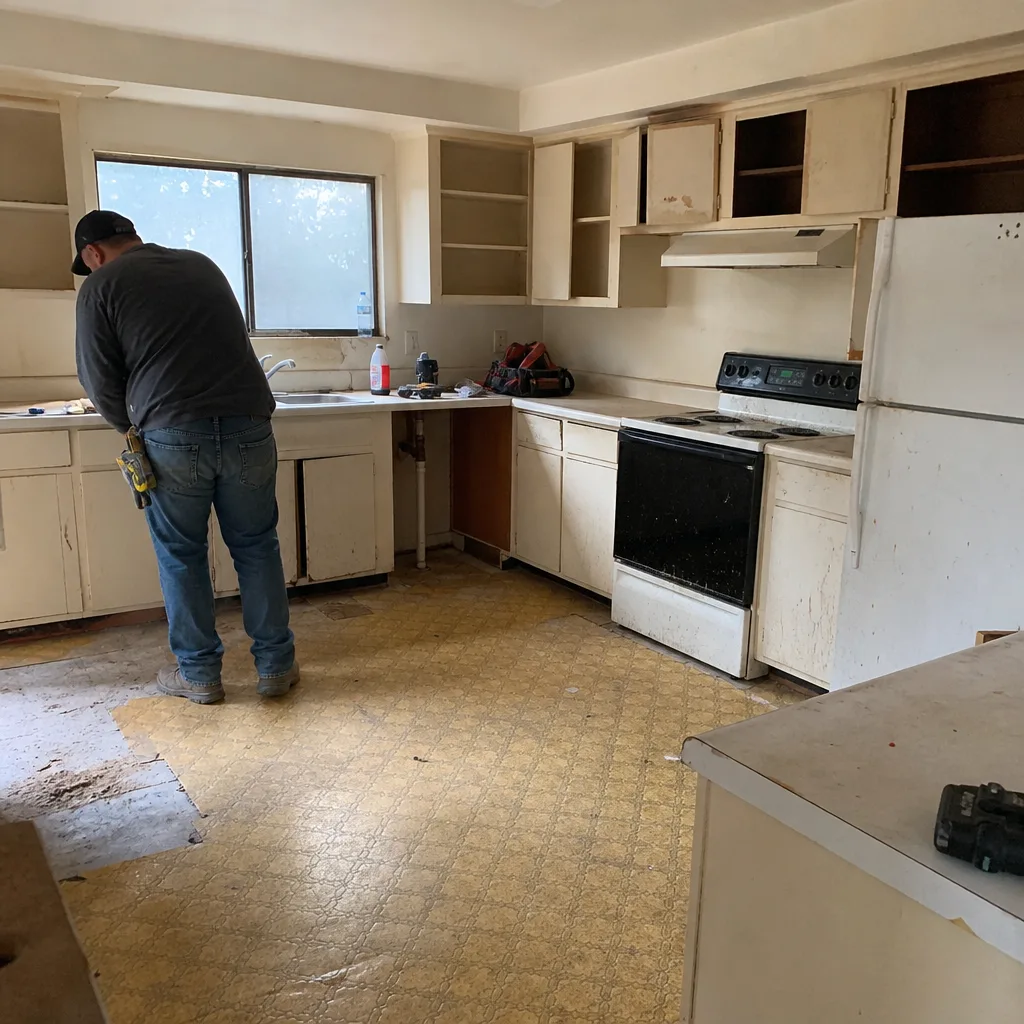 Before
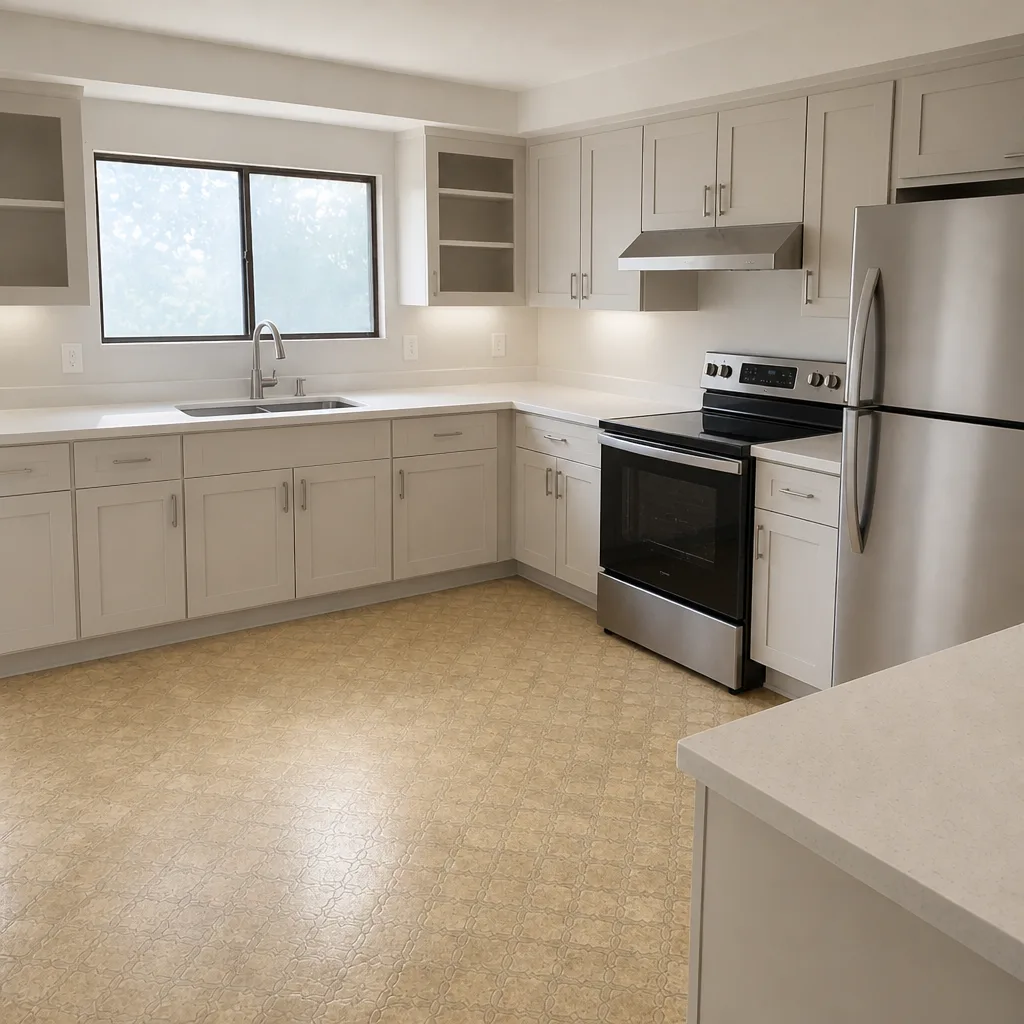 After
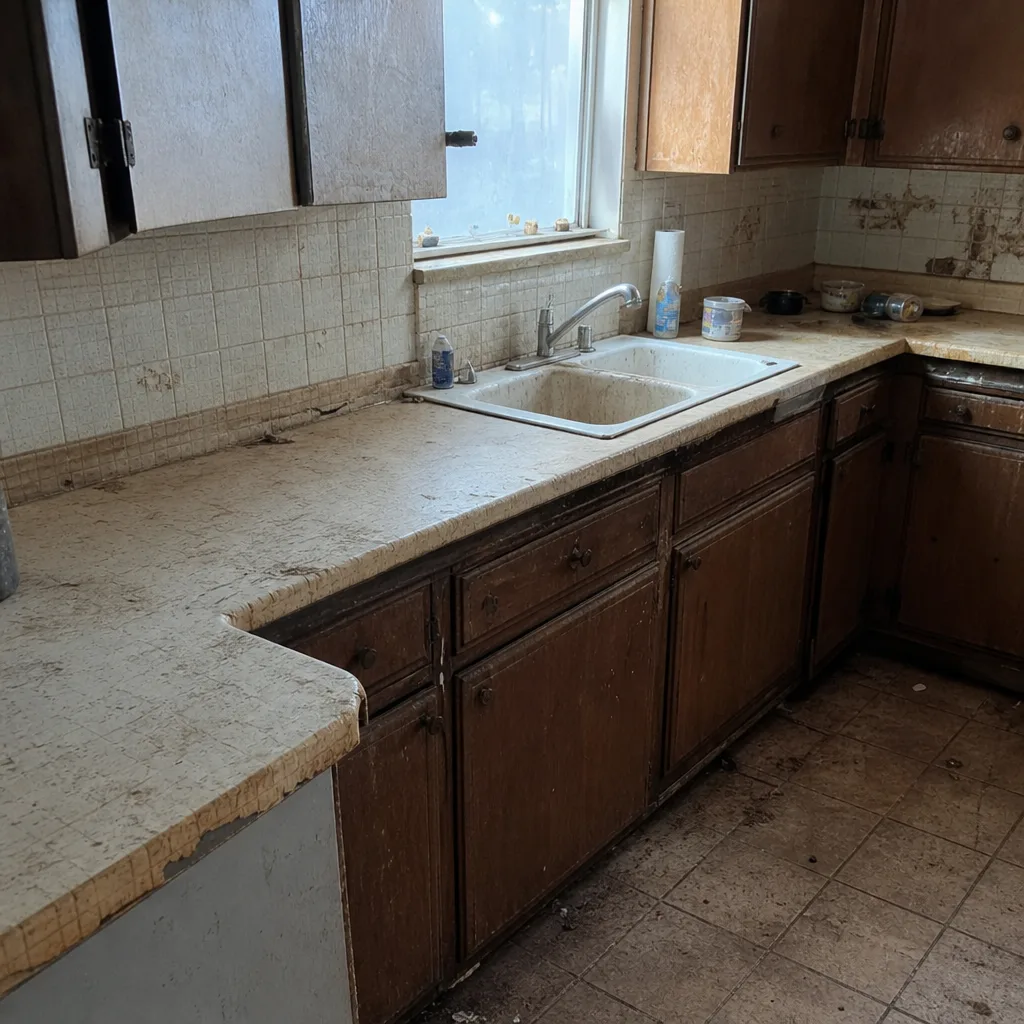 Before
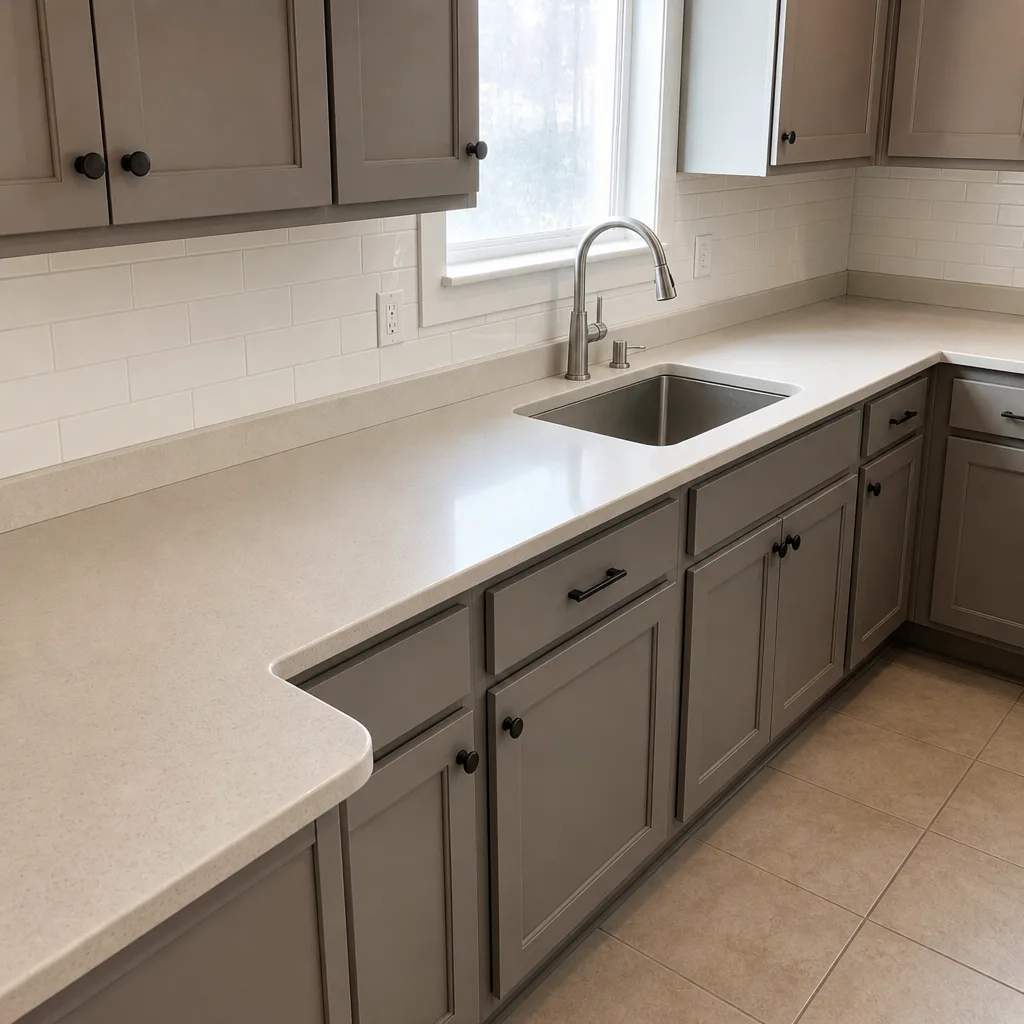 After
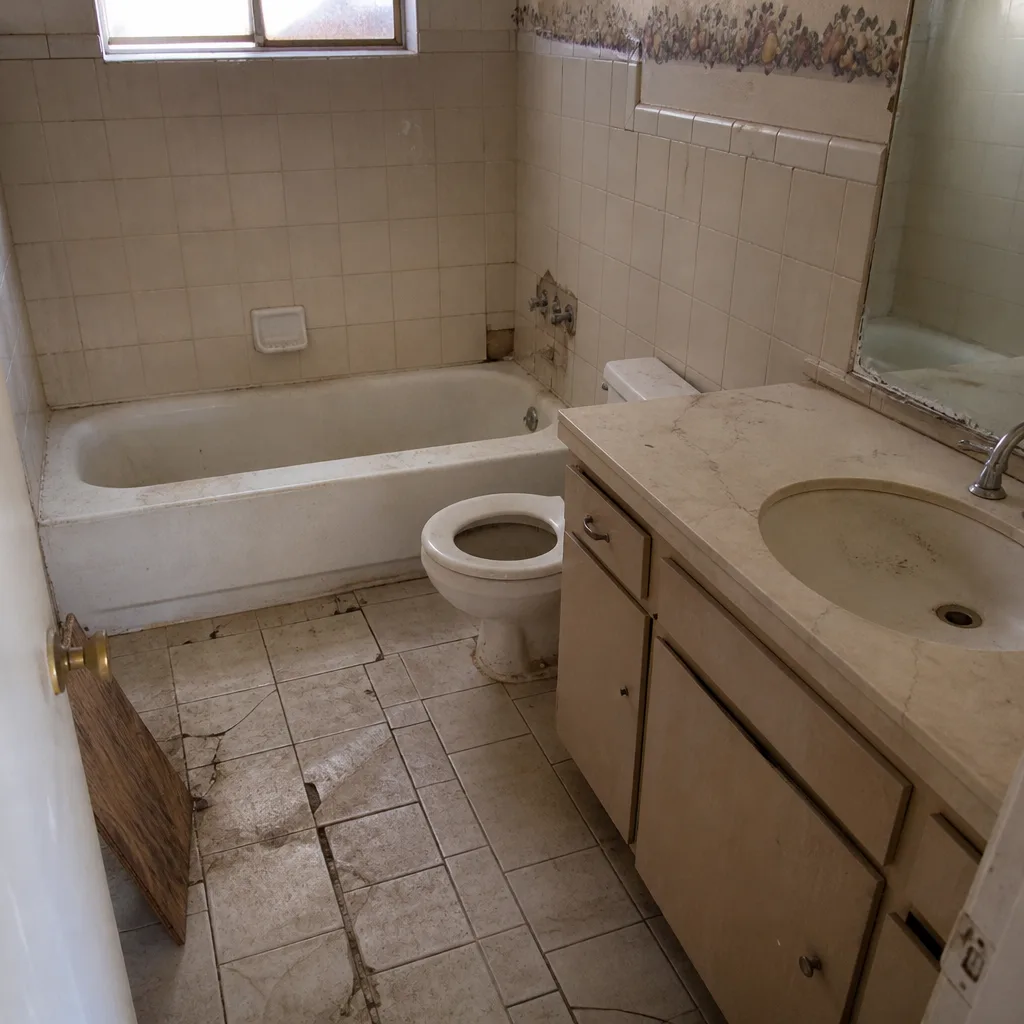 Before
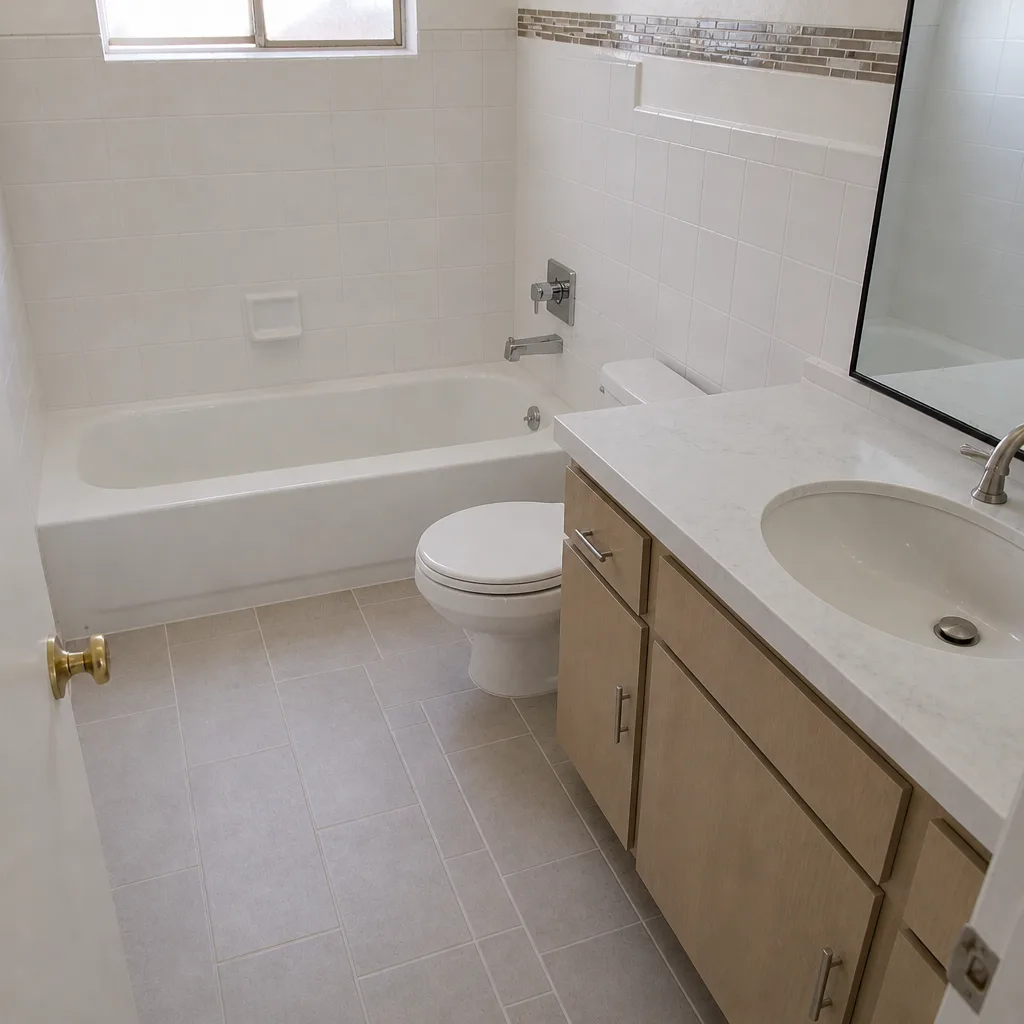 After
When to Call a Professional
Call a professional for any issue involving water intrusion behind a wall, structural movement you can see or feel, electrical work that’s outside the scope of an outlet swap, gas lines, or any question of whether the framing or substrate is sound. These aren’t the kind of thing to diagnose by watching a video and picking up a screwdriver. Springs, panels, gas lines, and load-bearing work are dangerous; the cost of a wrong guess is much higher than the cost of a professional visit.
For everything else – a scope gap, a scheduling slip, a product defect, a change order question – the fix is usually a written conversation before a service call. Call us and we’ll help you sort which category you’re in. Penhallow Remodeling Boulder City offers free estimates in Boulder City – call (844) 834-9740 for a written number before any work starts, and a written guarantee on every job.
Frequently Asked Questions

If the defect is covered by a written guarantee, the fix costs you nothing – that’s the point of a 365-day promise in writing. If the issue is an undisclosed pre-existing condition discovered mid-project, expect a written change order with a line-item price, and put it in writing before work resumes. Call (844) 834-9740 for an exact quote – estimates are free.
A defect is work done wrong or a material that failed inside its normal service window; normal settling is minor cosmetic movement caused by temperature and humidity. Hairline drywall cracks, a slightly sticking door in a dry season, or slight grout shrinkage in the first year are typically normal – especially in Boulder City’s desert climate. Anything structural, leaking, or actively worsening needs a call.
Permits and inspections are part of any professional project – Boulder City and Clark County have specific requirements for kitchens, bathrooms, and structural changes, and pulling the right permits and passing the inspections are the contractor’s responsibility on professional work. Ask to see the permit on day one. A contractor who hedges on permits is telling you something.
Only when the scope changes in writing. A written price before work starts is the number on the invoice in our model – no change orders, no surprises at the end. If a discovery (water damage, non-permitted work from a previous owner, a hidden electrical issue) changes the scope, it goes in as a written change order before anyone touches a tool.
Most kitchen remodels run 5-8 weeks on-site, and most bathrooms run 3-5 weeks, once permits are in hand and materials are on site. Boulder City project timelines tend to pick up a couple of weeks for cabinetry and countertop lead times, especially on semi-custom lines like KraftMaid and Cambria. Add 1-3 weeks to the front end for permit review on structural changes.
Document it in writing: a dated email or text stating the last date of work, what’s outstanding, and a requested response date. If they don’t respond in a reasonable window (5-10 business days), file a complaint with the Nevada State Contractors Board, with your contract, change orders, photos, and correspondence attached. Abandonment is one of the Board’s most-handled complaint categories. Call (844) 834-9740 if you want help understanding where your situation stands.
The Bottom Line
Most remodeling problems aren’t construction failures – they’re communication failures wearing a construction costume. Diagnose which one you’re facing before you act: a documentation audit, a written change order, and a written guarantee solve the vast majority of disputes without a single tool coming out. Defects are covered by warranty; discoveries are new scope; settling is settling. Escalation to the Nevada State Contractors Board is a last step, and the record you keep in the first week is the record that resolves the dispute later. Boulder City’s desert climate adds its own quirks – hairline cracks, grout shrinkage, seasonal movement – but none of those are the contractor’s fault as long as you’re working with one who puts the price and the guarantee in writing before the first cabinet comes out.
Penhallow Remodeling Boulder City operates as part of the Kingswell family of companies, and each location is independently owned and operated. Our technicians have up to 22 years of experience, are background-checked, and arrive in uniform on every job. The 365-Day Done Right Promise is written on every project – if the work fails inside the guarantee period, we come back and fix it at no charge, and there’s a free return visit if a repair fails. A live person answers our phones 24/7. For a written price before work starts and a written guarantee on every job, call (844) 834-9740 for a free estimate. We’ll give you a number you can hold us to.
Written by the team at Penhallow Remodeling Boulder City.