Last updated November 18, 2026

Free written scope consultation - allowances, timeline, and change-order rules on paper before a single trade is scheduled
The Complete Home Remodeling Guide for Boulder City Homeowners
Boulder City is the only city in Nevada that restricts its own growth by charter, and that single fact reshapes everything about remodeling here. The housing stock ages differently because homes aren’t constantly torn down and rebuilt, the permit office works on its own rhythm, and the remodeling math is genuinely different from Henderson or the rest of the Las Vegas Valley. This guide covers what national remodeling advice gets wrong for Boulder City: how to sequence a whole-home project, when to evaluate mechanical systems, how the historic district affects exterior changes, and how desert conditions should drive your material choices in every room.
Quick Answer
A successful whole-home remodel in Boulder City starts with mechanical systems – electrical panel capacity, HVAC, and plumbing supply lines – evaluated before any finish work is planned or priced. Sequence the project in phases, get a written fixed price for each phase, and choose materials rated for 115°F summers and single-digit humidity. Build your budget around the real Clark County permit timeline, not a Las Vegas-generic estimate.
Styles & brands we work with
- Kitchen remodeling
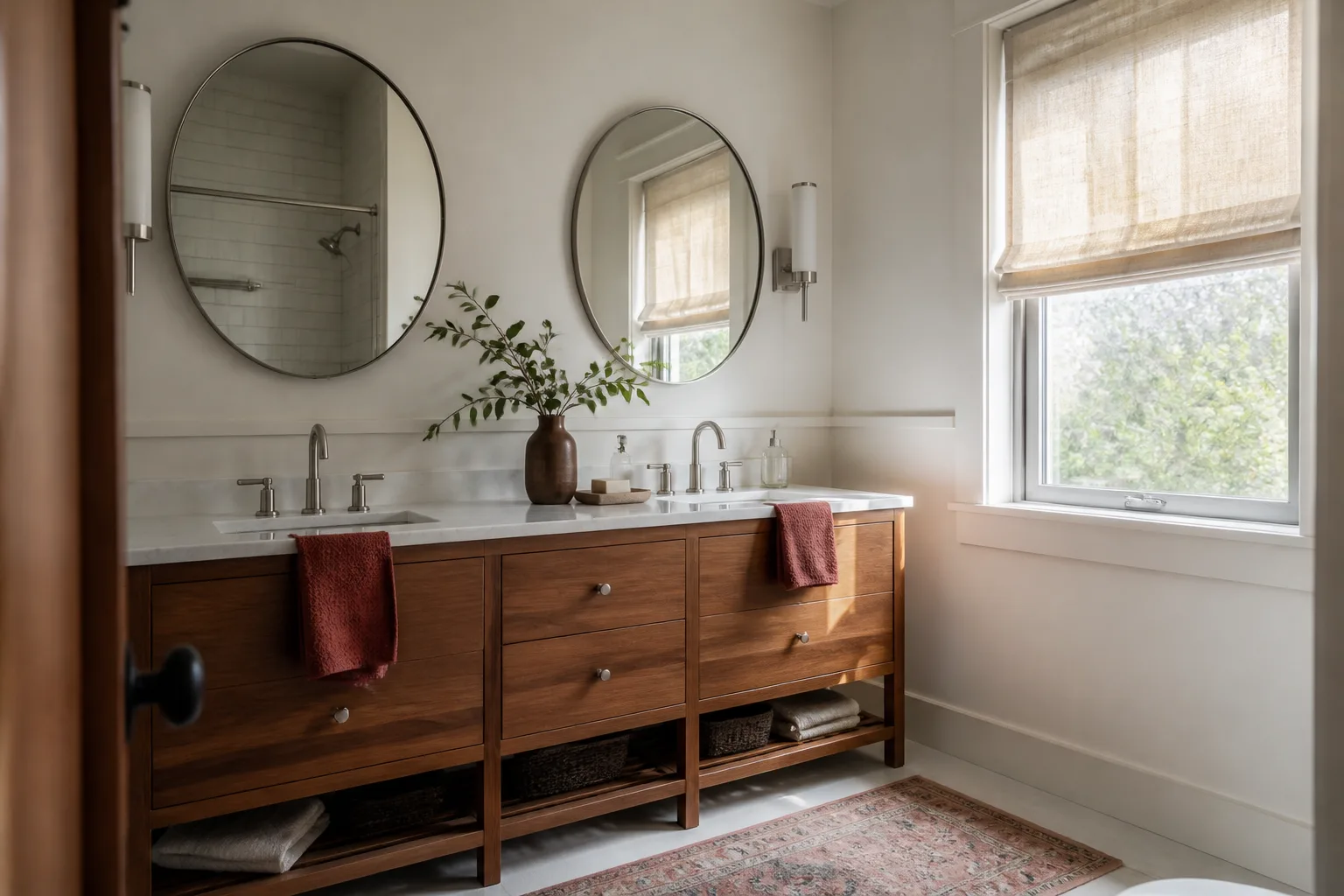
- Bathroom remodeling
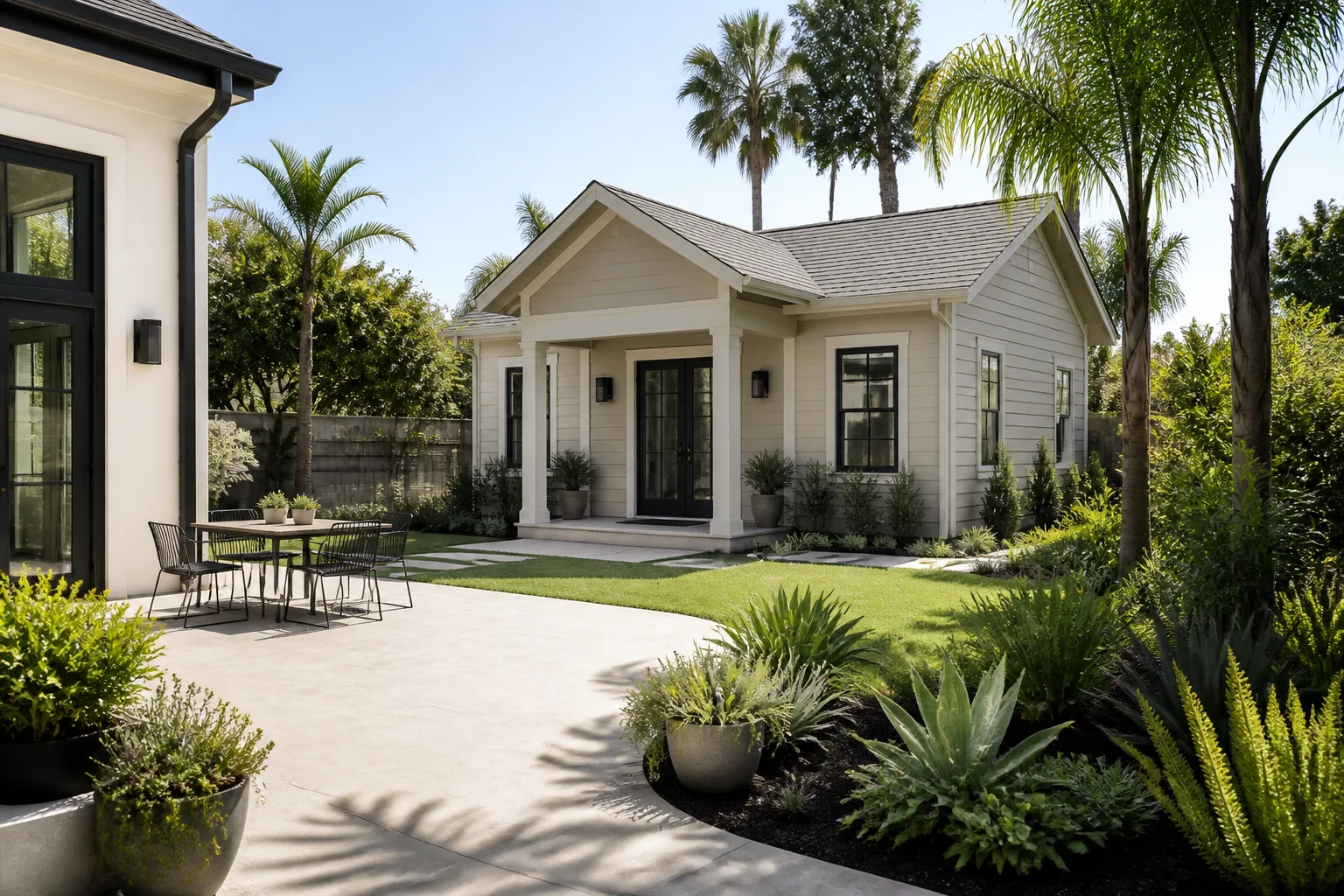
- Home additions & ADU
- Roofing
- Windows & doors
- Driveway & pavers
- Fence
Table of Contents
- Why Project Sequencing Comes Before Design
- Evaluating Mechanical Systems First
- Boulder City’s Historic District: What It Means Practically
- Building a Multi-Room Budget Around the Permit Timeline
- Written Price Discipline for Multi-Phase Projects
- Desert-Specific Material Decisions Room by Room
- Common Mistakes to Avoid
- Frequently Asked Questions
Why Project Sequencing Comes Before Design
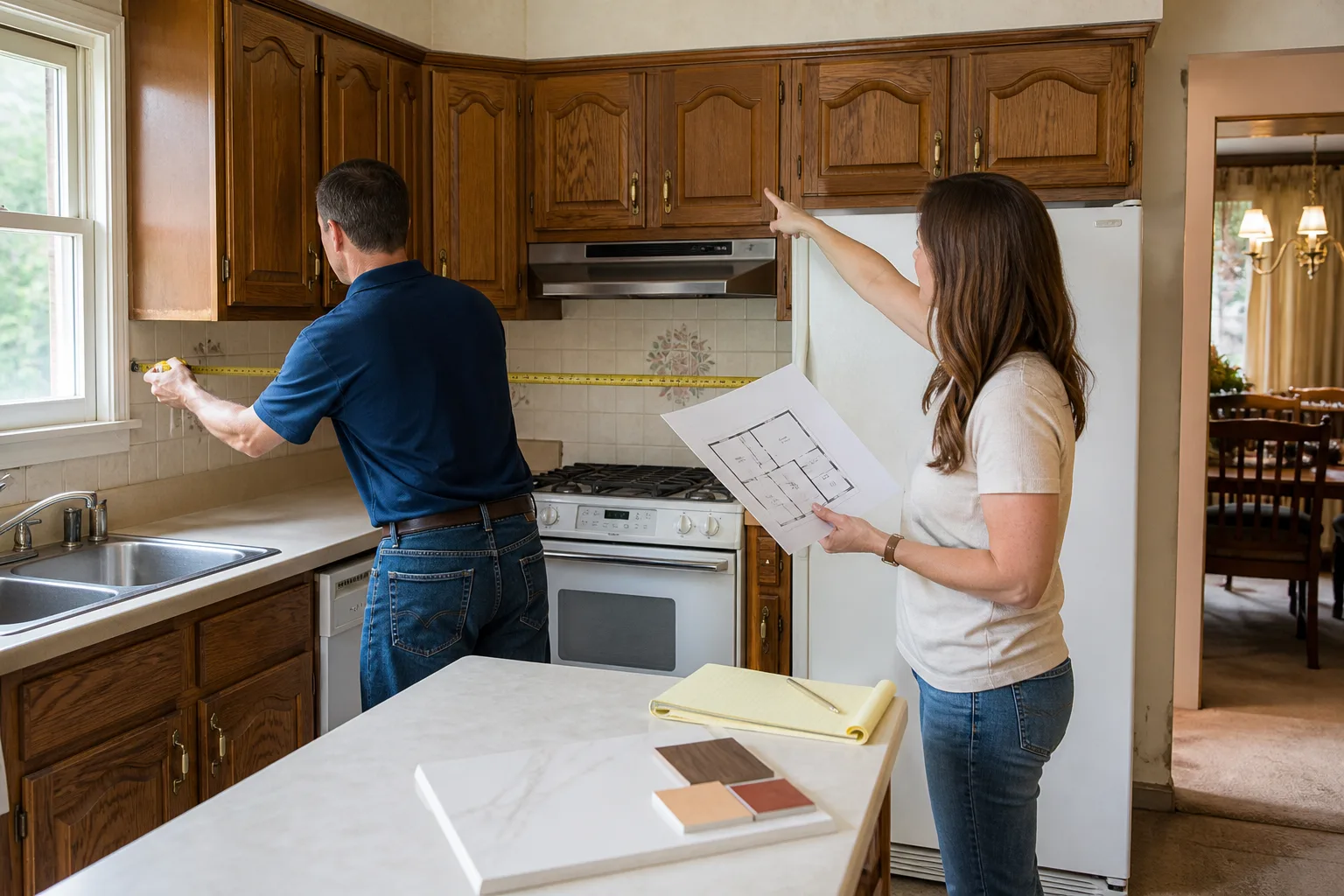
Most homeowners start a remodel by picking cabinets and countertops. That’s backwards, and it’s the single most expensive mistake we see in Boulder City. Before you choose a single finish, you need to know what’s behind the walls and under the floor. A kitchen that looks beautiful but sits on a 60-amp panel that can’t carry a modern appliance load is a kitchen you’ll be reopening within two years.
The correct sequence for a whole-home remodel runs in this order:
- Assessment phase. A licensed professional evaluates the electrical panel, HVAC capacity, plumbing supply and drain lines, and structural condition. This is where you learn what’s actually possible.
- Mechanical upgrades. If the panel needs replacement or the HVAC needs upsizing, those happen before finishes go anywhere near a wall.
- Rough-in and framing changes. Moving walls, adding outlets, relocating plumbing.
- Insulation and drywall. Sealing the envelope before finishes.
- Finish work by room. Cabinets, tile, fixtures, paint, trim.
When the assessment happens first, the design and the price both rest on real information. When it happens last, you find out mid-project that the “simple” bathroom refresh needs a new drain line – and the number on day one is no longer the number on the invoice. Sequencing is what makes a fixed price possible in the first place.
Evaluating Mechanical Systems First
Boulder City’s housing stock includes a meaningful share of homes built in the 1950s through 1980s, when electrical service was sized for a fraction of what a modern household draws. A panel rated for 100 amps may have been generous in 1965; today it’s tight for a home with central air, an electric range, a heat pump water heater, and an EV charger. Evaluating that panel before you plan a kitchen isn’t caution – it’s the difference between a project that finishes on budget and one that stalls at inspection.
The three systems that most often change a remodel’s scope:
- Electrical panel and service. A panel upgrade in Boulder City typically runs $2,200 – $4,500 depending on service size and whether the meter base needs replacement. This is almost always a licensed electrician’s job – panel work is genuinely dangerous, and we don’t recommend homeowners open a service panel.
- HVAC capacity. Desert homes with added square footage or converted garages often need a larger system or a second zone. A load calculation before design prevents the “new addition is always 8 degrees warmer” problem.
- Plumbing supply lines. Homes with original galvanized steel supply lines will see reduced pressure and eventual pinhole leaks. Replacing supply lines during a remodel costs far less than doing it after new tile is set.
Get these evaluated in writing. A professional who assesses your mechanical systems should tell you, in plain language, what’s adequate and what isn’t – and price any upgrade separately so you can see exactly what you’re paying for. A general contractor in Boulder City can coordinate that assessment across all three trades before design begins.
Boulder City’s Historic District: What It Means Practically
Boulder City was built to house Hoover Dam workers, and a significant portion of the original housing stock carries historic designation. That designation isn’t just a plaque by the door – it affects what you can change on the exterior, how windows can be replaced, and what an addition can look like from the street. Homeowners who plan an exterior remodel without checking historic district requirements first often find themselves redesigning after the permit application is rejected.
Practically, historic considerations most often touch:
- Window replacement. Original window openings and proportions usually need to be preserved. Replacement windows that match the original sightlines are typically approvable; enlarging an opening or changing the configuration is where projects run into trouble.
- Exterior additions. A new addition visible from the street is judged on massing, roof pitch, and materials. A compatible addition is achievable – it just needs to be designed with the district in mind from the start.
- Exterior materials and fencing. Siding, trim, and fence materials are reviewed. Products like James Hardie siding in a profile that suits the home’s era, and fencing from lines like Jerith or Bufftech that reads as traditional rather than modern, tend to move through review more smoothly.
The practical takeaway: check the historic district requirements before you fall in love with a design. If a change is going to need review, we want to know that before a single drawing is finalized, not after. That’s part of why the assessment phase comes first.
Building a Multi-Room Budget Around the Permit Timeline
Las Vegas-generic remodeling advice assumes a permit turnaround measured in a couple of weeks. In Boulder City, the smaller municipal permit office works on its own schedule, and a multi-room project with structural, electrical, and plumbing scope can take meaningfully longer to move through plan review and inspection than the same project in the Valley. If your budget assumes a fast permit timeline, you’ll be paying holding costs – or living in a construction zone longer than planned – before you know it.
How to build a realistic multi-room budget:
- Price the permits into the budget explicitly. Permit fees, plan review, and inspection costs are line items, not surprises. Ask for them broken out.
- Add a schedule contingency. Plan for the permit timeline at Boulder City’s pace, not Henderson’s. If plan review takes longer, the budget should already account for it.
- Budget the assessment phase separately. The mechanical evaluation comes before finishes, and its cost is real. Pricing it as a distinct phase keeps it from getting buried.
- Price each room as its own line. A whole-home budget with one lump sum hides where the money actually goes. Room-by-room and system-by-system line items let you adjust scope intelligently.
- Hold a real contingency. Older homes surface unknowns – a drain line that wasn’t where the drawings said, a beam that needs sistering. A contingency in the range of 10 – 15% of the finish budget is prudent, not pessimistic.
For context on real numbers: kitchen remodels in Boulder City typically run $18,000 – $55,000 depending on layout, cabinet line, and countertop material, while bathroom remodels generally fall in the $9,000 – $28,000 range. A whole-home project combining kitchens, baths, and mechanical upgrades lands well above either figure, which is exactly why the sequencing and the written price matter so much. Our kitchen remodeling in Boulder City and bathroom remodeling in Boulder City pages break down the line items in more detail.
Written Price Discipline for Multi-Phase Projects
A single whole-home estimate is almost always a range, and a range is not a price. On a multi-phase project, a range leaves both sides exposed: the homeowner can’t hold anyone to a number, and the contractor has room to adjust as scope reveals itself. Fixed pricing by phase solves this differently than one whole-home number does.
How phase-by-phase fixed pricing protects you:
- Each phase has a written number before it starts. You know exactly what the assessment costs, what the mechanical work costs, and what the finish work costs – separately.
- You can stop between phases. If the assessment reveals more than you’re ready to take on, you can pause without having committed to a full-project number.
- Change orders are visible. If something changes mid-phase, it’s priced and agreed in writing before the work proceeds. No ballooning invoice at the end.
- The guarantee applies to each phase. Every phase carries the same written guarantee, so a failure in the finish work gets the same response as a failure in the rough-in.
When you request a bid on a multi-phase project, ask for it phase by phase with a written fixed price for each. Ask what happens if an unknown surfaces mid-phase. Ask for the guarantee in writing. If a contractor won’t put those things down on paper before work starts, that tells you something.
Desert-Specific Material Decisions Room by Room
Most product marketing assumes a temperate climate with moderate humidity. Boulder City doesn’t have one. Summers push past 115°F, winters swing to single-digit humidity, and the daily temperature swing is hard on materials that expand and contract. What performs well in a mild climate can fail here – and what’s rated for desert conditions often looks better for longer.
Room by room:
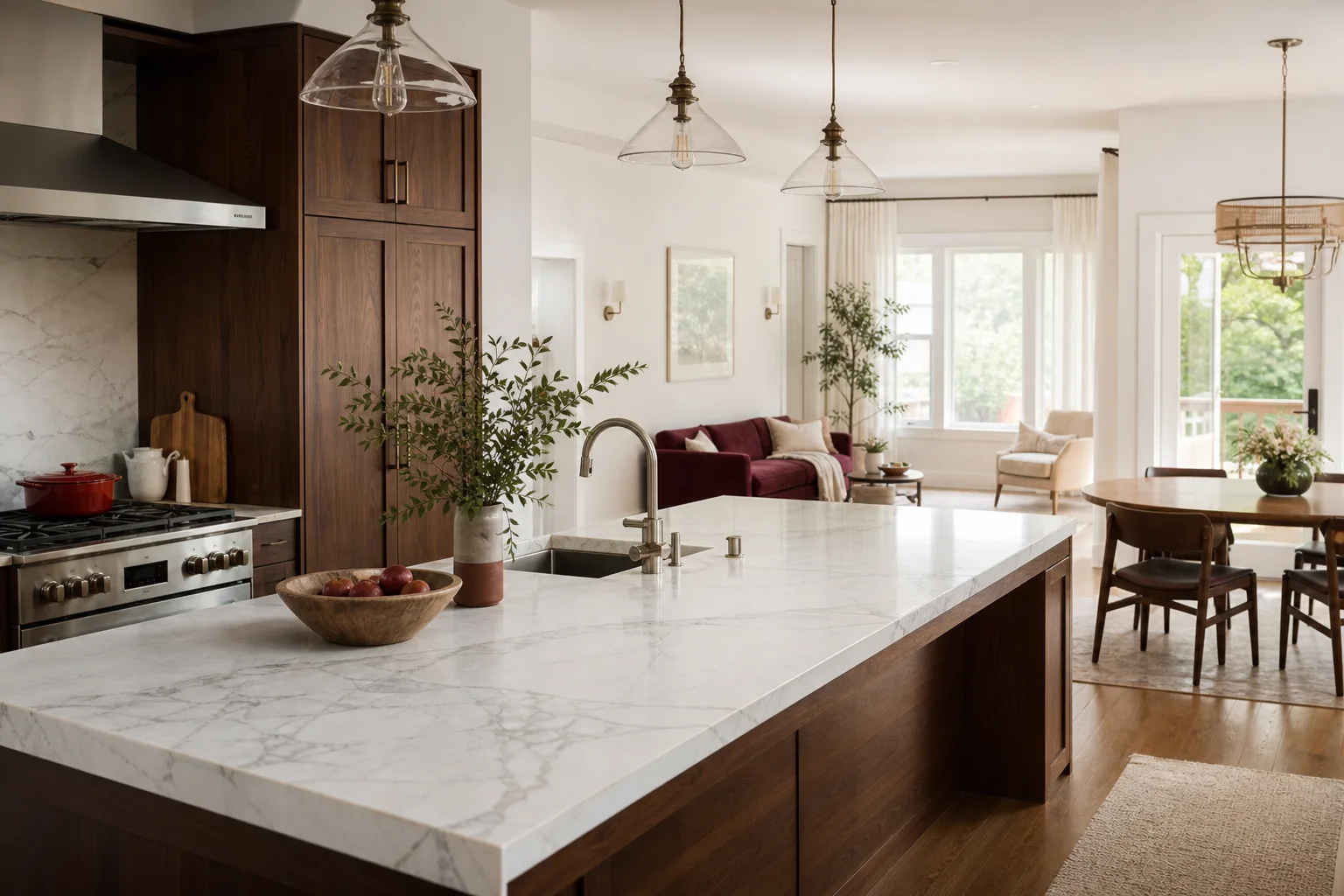
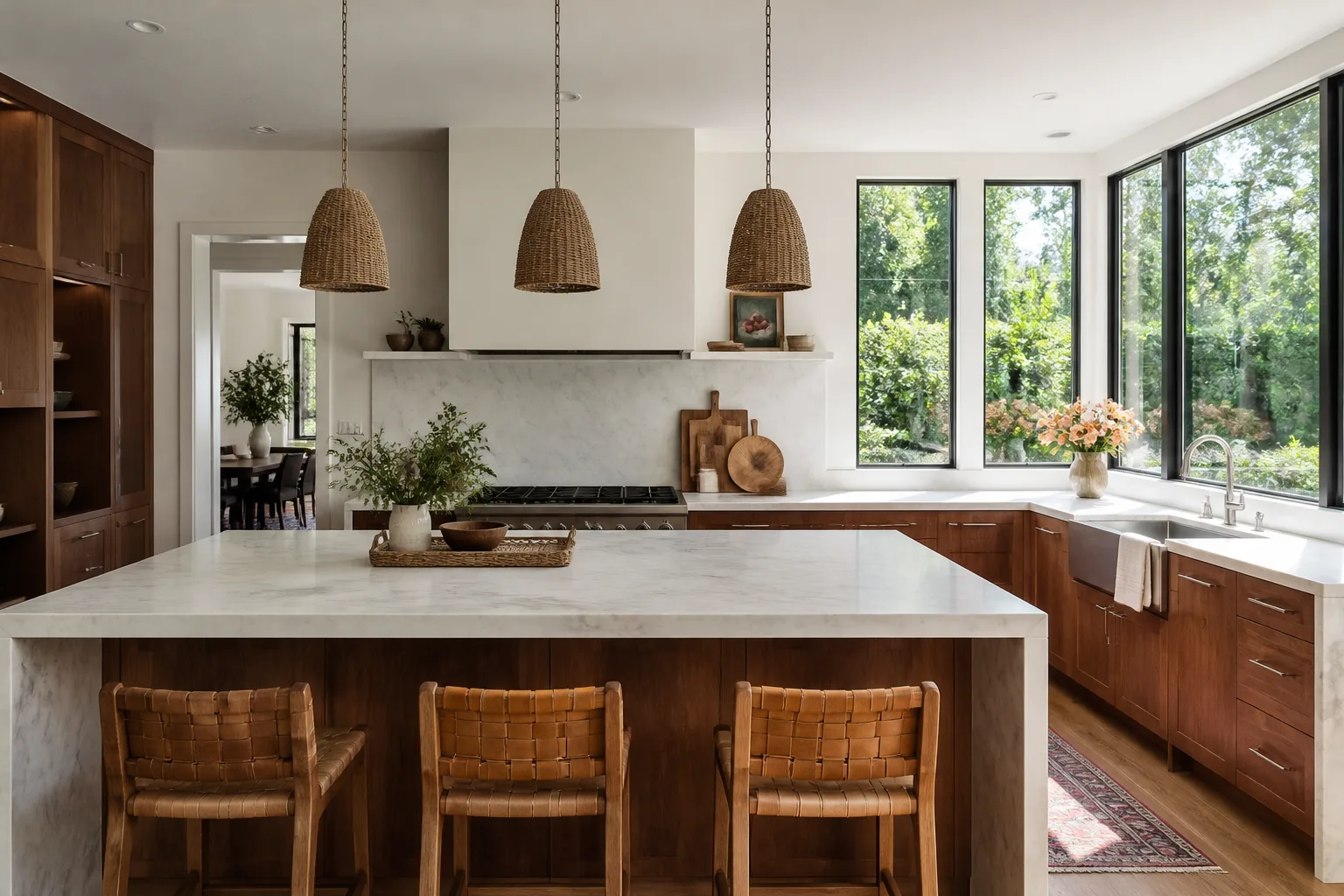
- Kitchen. Cabinet boxes and doors need to handle low humidity without warping or gapping. Lines like KraftMaid and Wellborn are built for varied climates. Quartz countertops (Cambria, Silestone, Caesarstone) outperform natural stone in UV exposure because they don’t fade or require sealing, and quartz carries its own manufacturer warranty alongside ours.
- Bathroom. Ventilation matters more here than the finish selection – a properly sized exhaust fan moves moisture out before it finds the substrate. Cement board substrate (the moisture-resistant layer behind your tile) is standard, and Kohler or Moen fixtures hold up to hard water better than builder-grade alternatives.
- Exterior. Siding takes direct UV and heat cycling. James Hardie fiber cement is engineered for it and holds paint far longer than wood or vinyl in desert sun. Fencing from ActiveYards or Bufftech, and hardscape from Belgard, are built for the same conditions.
Ask what a product is rated for before you choose it by appearance. A finish that looks right but isn’t rated for desert cycling will be the first thing to fail – and it won’t be covered by a warranty if it was the wrong product for the environment.
Common Mistakes to Avoid
- Choosing finishes before the assessment. If you’ve picked cabinets before knowing your panel’s capacity, you’ve built a plan on a foundation you haven’t checked. Assessment comes first, always.
- Trusting a Las Vegas permit timeline. Boulder City’s permit office moves at its own pace, and a multi-room project pays for that in schedule. Build the real timeline into your budget.
- Skipping the historic district check. Exterior changes, window replacements, and additions in the historic district can require review. Find out before design, not after rejection.
- Accepting one lump-sum whole-home number. A single estimate with no phase breakdown hides where the money goes and leaves you exposed when scope changes. Ask for phase-by-phase fixed pricing.
- Choosing materials by appearance alone. Desert heat and low humidity punish the wrong product. Ask for the climate rating, not just the showroom sample.
- No written guarantee. A verbal “we’ll make it right” is worth what you paid for it. Get the guarantee in writing, with a defined period and what happens if something fails.
- Cutting the contingency. Older Boulder City homes surface unknowns. A 10 – 15% contingency isn’t pessimism – it’s what keeps a good project from becoming a stressful one.
See the difference
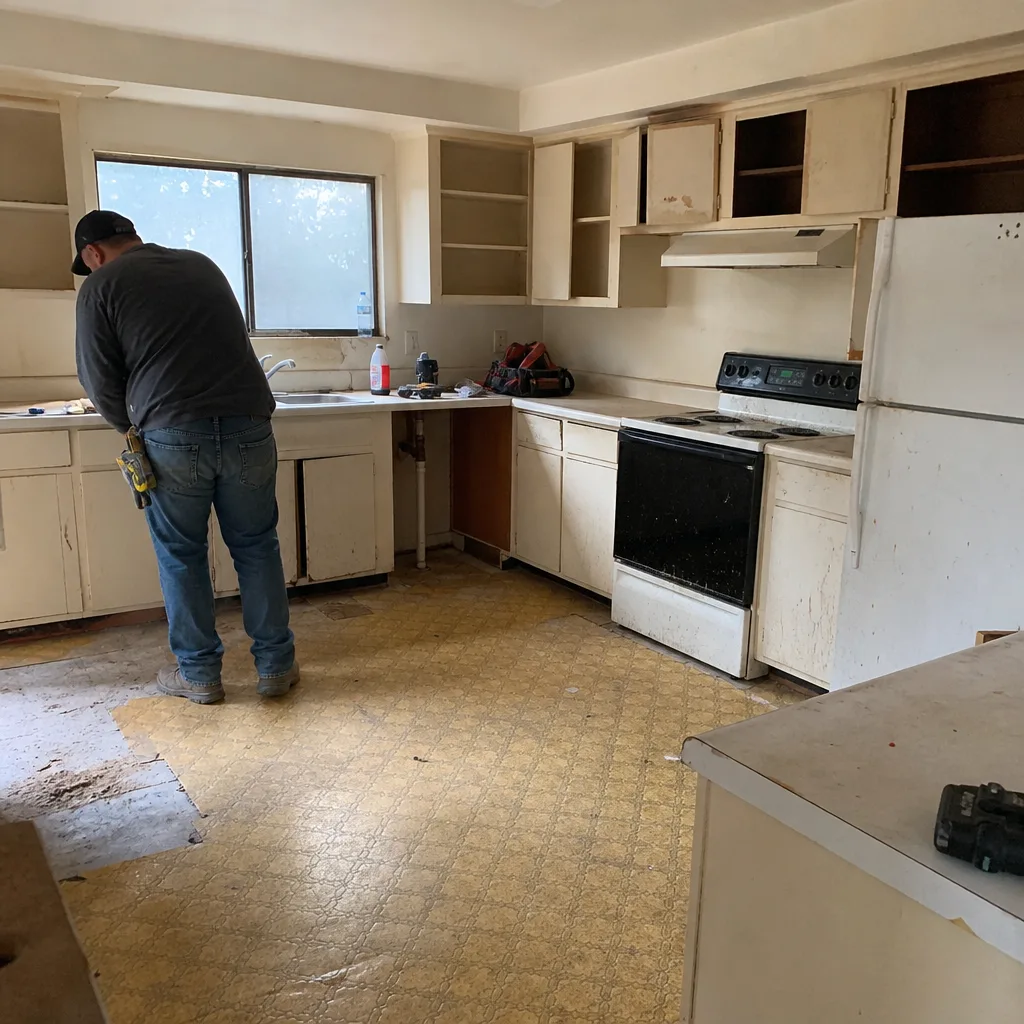 Before
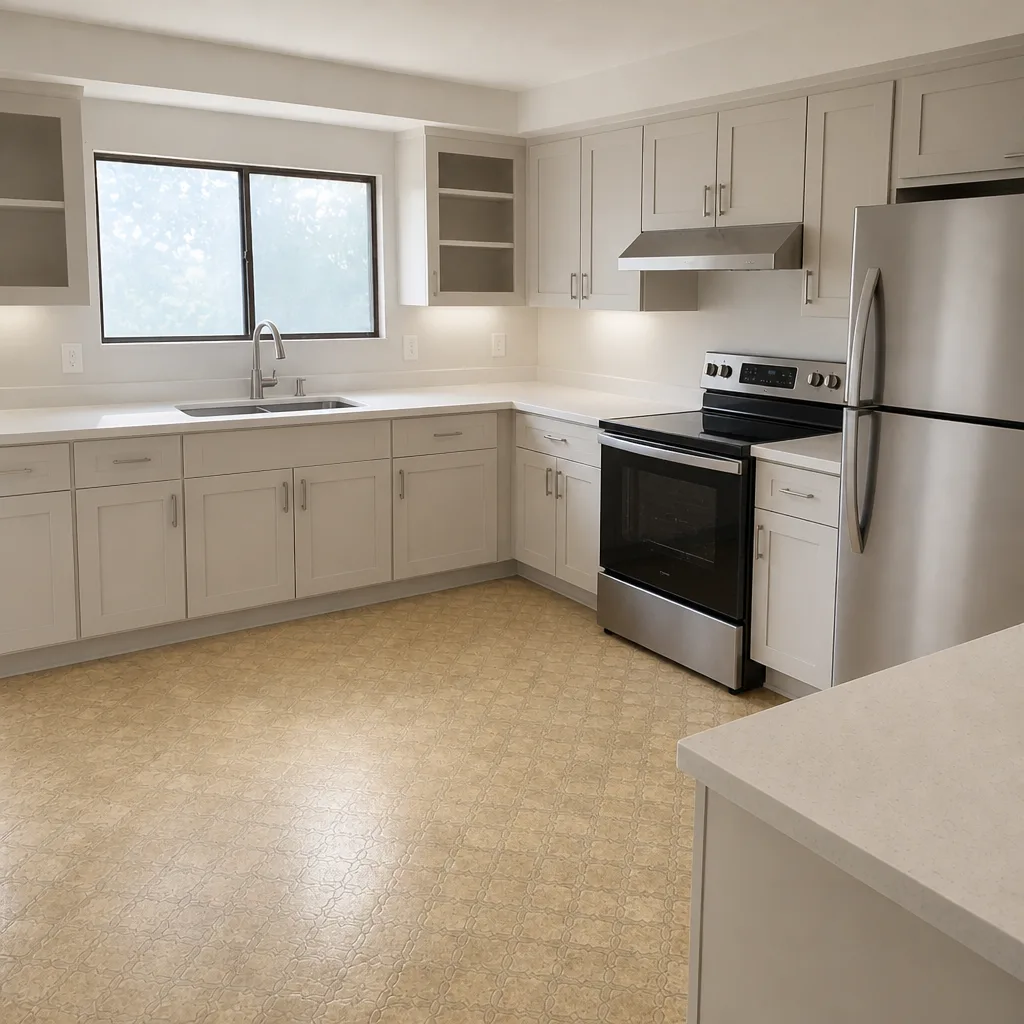 After
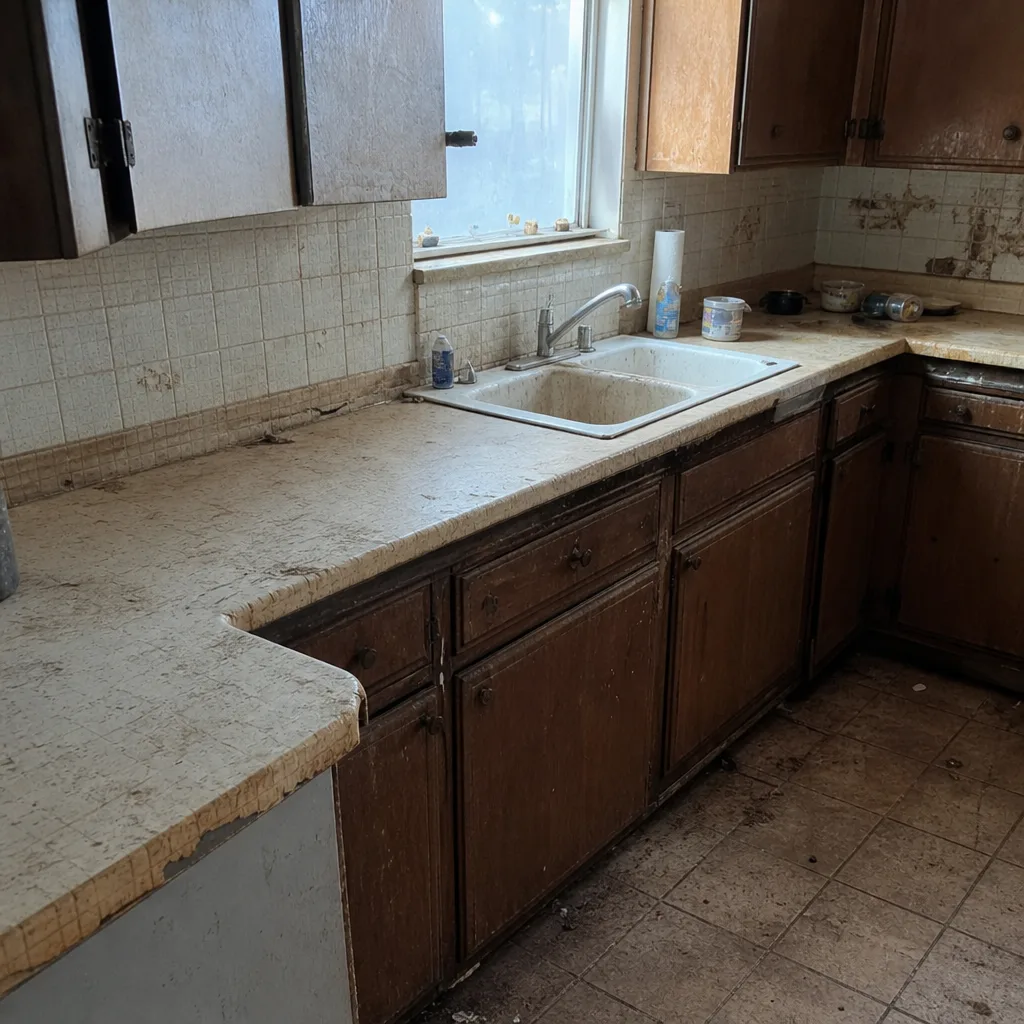 Before
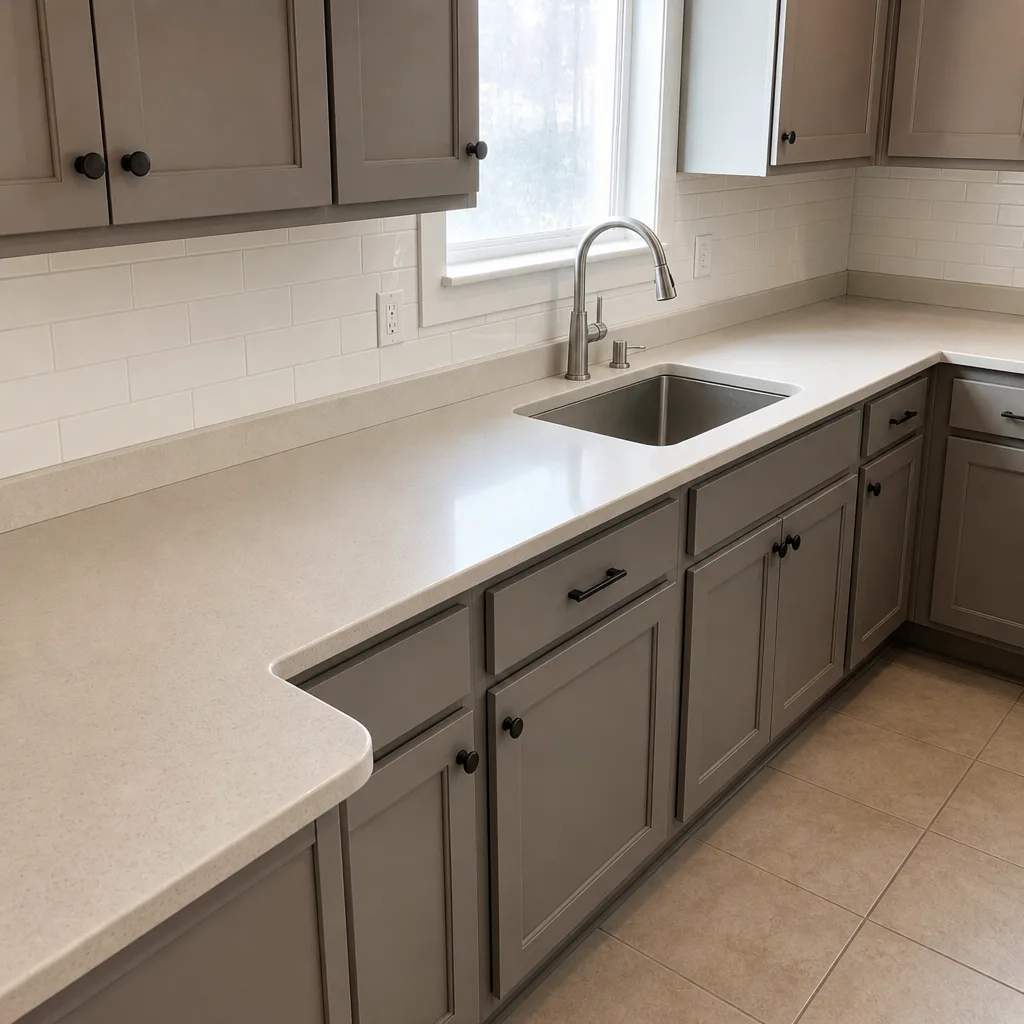 After
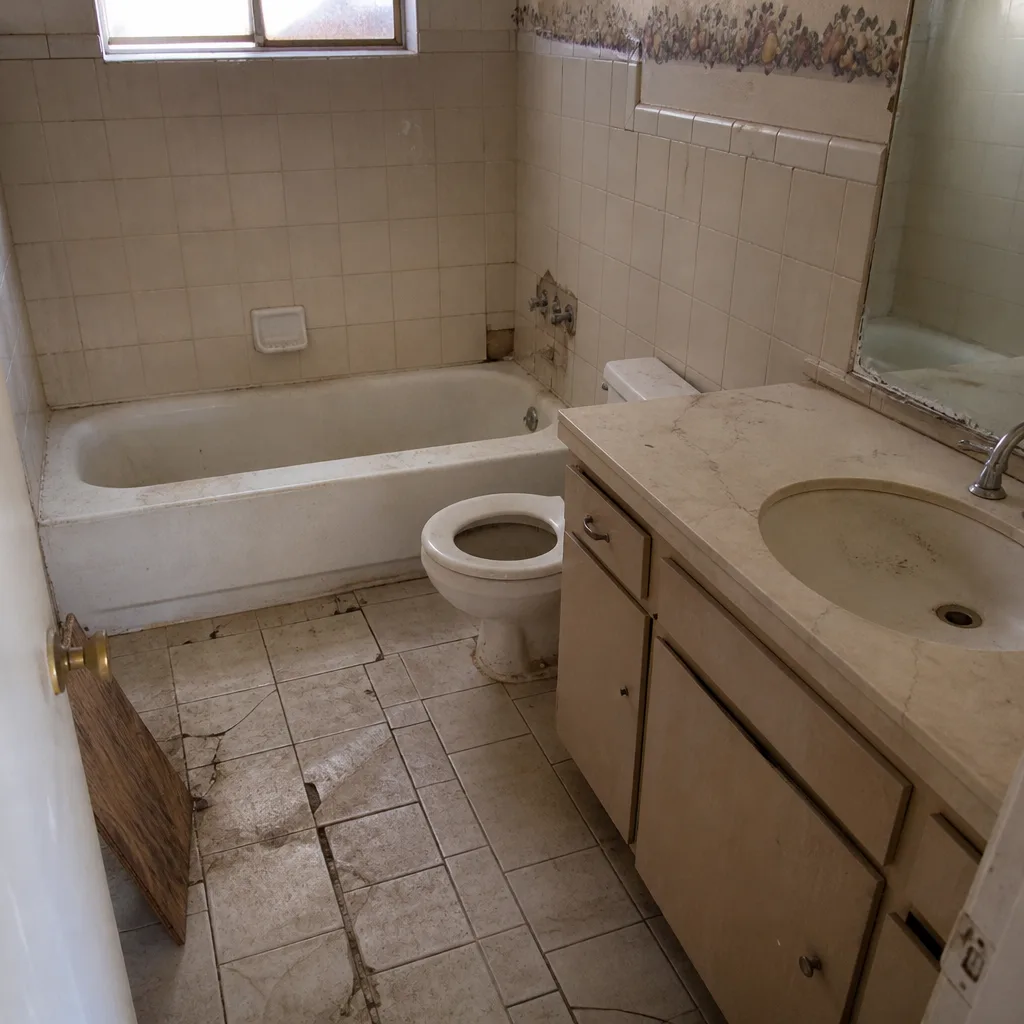 Before
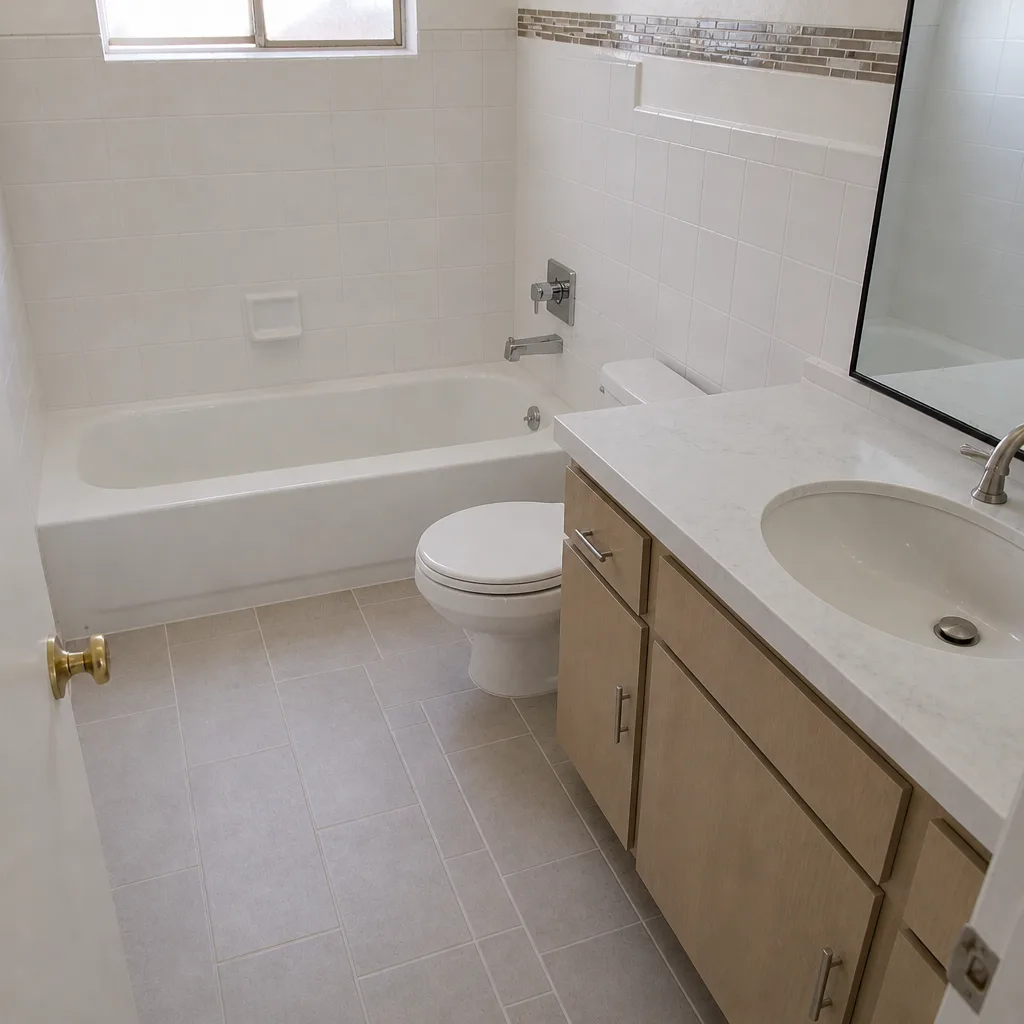 After
When to Call a Professional
Call a professional before you plan any of the following: an electrical panel evaluation or upgrade, anything that changes HVAC capacity or adds square footage, plumbing supply line replacement, exterior changes in the historic district, or any multi-room project where you want a fixed price before work starts. Panel work in particular is genuinely dangerous – it’s not a homeowner job, and it’s not a place to save money. If your project touches more than one trade, or if you’ve been burned before by a bid that changed after demo day, that’s the moment to bring in a professional who puts the number in writing. Penhallow Remodeling Boulder City offers free estimates in Boulder City – call (844) 834-9740.
Frequently Asked Questions
Whole-home remodels in Boulder City typically start in the low six figures and climb with square footage, mechanical upgrades, and finish selection. The mechanical assessment and permit costs are separate line items you should price explicitly. Call (844) 834-9740 for a free written estimate – you’ll get a phase-by-phase fixed price, not a range.
Yes, most structural, electrical, plumbing, and HVAC work requires permits from the city, and historic district changes may require additional review. Permits and inspections protect you – a permitted project is one you can sell without complication. Ask any contractor to pull the permits before work starts.
Because Boulder City’s older housing stock often has mechanical systems that need upgrading before finishes go in. Evaluating the electrical panel, HVAC, and plumbing first means your design and price rest on real information. Skip that step and you’ll discover problems mid-project, after the finishes are selected.
With a written fixed price per phase, no – the number on day one is the number on the invoice for that phase. If an unknown surfaces mid-phase, it’s priced and agreed in writing before the work proceeds. That’s what written pricing discipline actually means.
Exterior changes – window replacements, additions, siding, fencing – can require historic review. Window openings and proportions usually need to be preserved, and additions visible from the street are judged on massing and materials. Check requirements before you design, not after.
115°F summers and single-digit humidity winters are hard on materials that expand and contract. Choose products rated for desert cycling: quartz over natural stone for counters, fiber cement for siding, and cabinetry lines built for varied climates. Ask for the climate rating, not just the showroom sample.
The Bottom Line
Boulder City remodeling rewards planning that a Las Vegas-generic guide won’t give you. Evaluate mechanical systems before finishes. Sequence the project in phases with a written fixed price for each. Check historic district requirements early. Build the real permit timeline into the budget, not a Valley estimate. Choose materials rated for desert conditions. And ask for the guarantee in writing – every phase, every time. Do those things and the project rests on real information, not a range someone handed you at the door.
Penhallow Remodeling Boulder City is the local remodeling company that puts the price and the guarantee in writing before a single cabinet is pulled. Every project gets a written price before work starts, a defined arrival window, a clean job site, and our 365-Day Done Right Promise – if it isn’t done right, we come back and fix it at no charge. Materials are drawn from recognized brands like KraftMaid, Cambria, Kohler, Moen, and James Hardie, so the products behind the guarantee are as solid as the promise. Technicians are background-checked and arrive in uniform, and a live person answers the phone around the clock. Whether you’re planning a kitchen, a bath, or a whole-home project, start with our Penhallow Remodeling Boulder City home page to see how we work.
Ready to price your project the right way? Call (844) 834-9740 to schedule your free estimate. We’ll walk the home, assess the systems, and hand you a written number you can hold us to – before any work begins. Estimates are free, and there’s no pressure to proceed.
Written by the team at Penhallow Remodeling Boulder City.