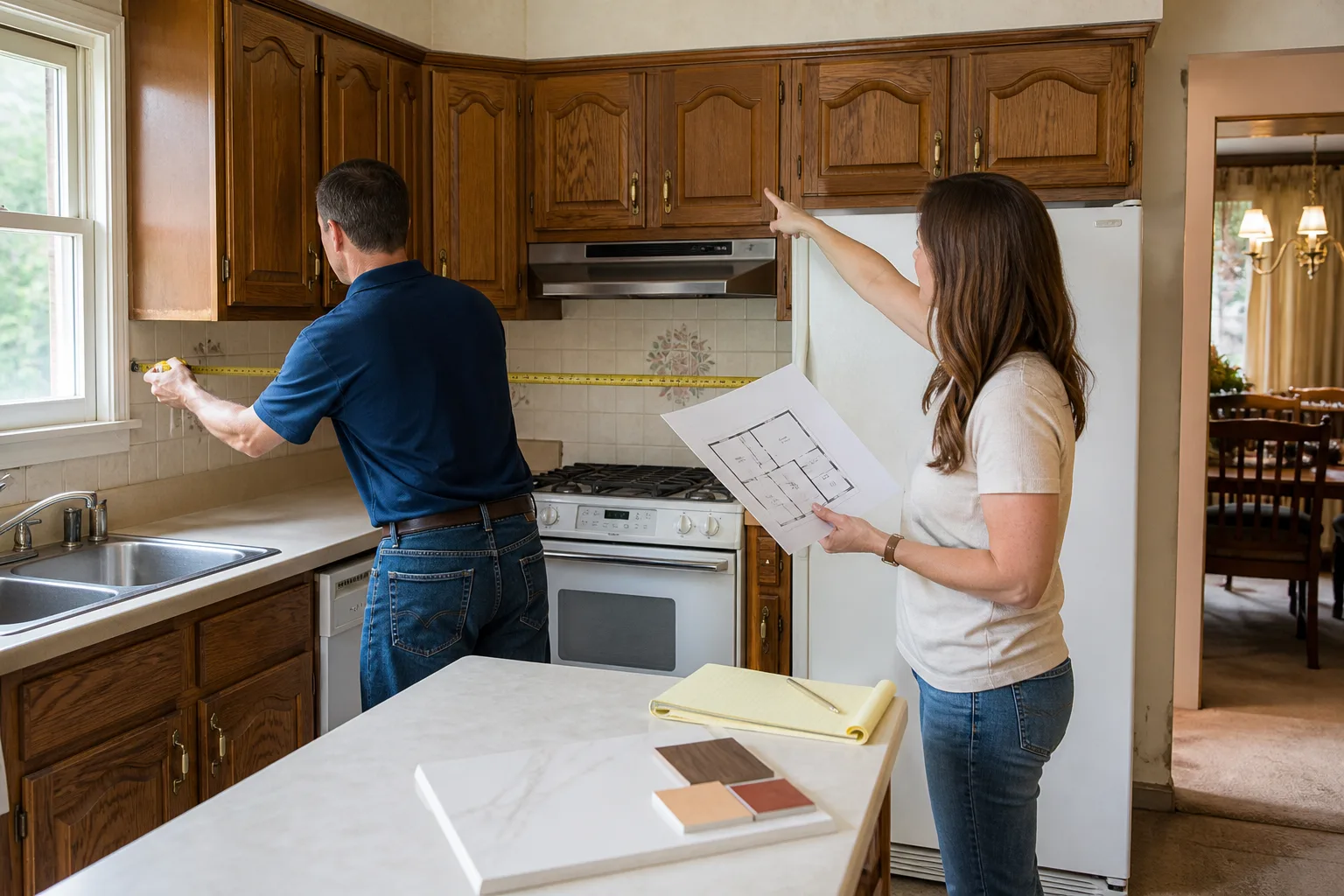
Last updated November 18, 2026








Free written scope consultation - allowances, timeline, and change-order rules on paper before a single trade is scheduled
Construction Emergency Preparedness Guide for Boulder City Homes
A burst supply line during a kitchen demo at 4 PM on a Friday is not a hypothetical in Boulder City. It’s the kind of event that separates a contractor with a written guarantee and a real phone number from one who goes quiet. Most homeowners find out which kind they hired in exactly that moment. This guide covers the four emergencies we see most often in Boulder City remodels, what to do in the first ten minutes of each, how to document everything so a 365-day workmanship claim holds up, and the local phone numbers worth saving before demo day. Read it before your project starts, not after.
Quick Answer
Most construction emergencies in Boulder City fall into four buckets: post-monsoon water intrusion, summer HVAC failure during an active remodel, unexpected load-bearing discoveries during demo, and older plumbing that fails under new pressure. The right response in every case is the same three-step sequence: stop work, document with timestamped photos and written notice, then call your contractor’s live line. Having the price, the arrival window and the guarantee in writing before work starts is what turns an emergency into a resolution instead of a dispute.
Styles & brands we work with
- Kitchen remodeling
- Bathroom remodeling
- Home additions & ADU
- Roofing
- Windows & doors
- Driveway & pavers
- Fence
Table of Contents
- The Four Mid-Project Emergencies Boulder City Homeowners Actually Face
- Post-Monsoon Water Intrusion: The Desert Rain Problem
- Summer HVAC Failure During an Active Remodel
- Load-Bearing Surprises During Demo
- What a “Stop Work” Situation Looks Like and When You’re Protected
- How to Document an Emergency So a Guarantee Claim Is Airtight
- Boulder City Emergency Contacts Worth Saving Today
- What to Have in Writing Before Work Starts
The Four Mid-Project Emergencies Boulder City Homeowners Actually Face
Boulder City sits at roughly 2,500 feet above the Las Vegas Valley, which means the weather up here runs a full ten degrees cooler in summer and noticeably colder in winter than the valley floor. That temperature swing works on older housing stock in ways newer Las Vegas construction doesn’t experience. Combined with the July-through-September monsoon cycle, where a single afternoon can drop an inch of rain on sun-hardened ground in twenty minutes, the failure modes are specific and predictable.
Here’s the short list, with the first three things to do in each scenario. We’re sharing this from the Penhallow Remodeling perspective because we’ve walked into every one of these mid-project at some point.
1. Water intrusion after a monsoon cell
- Kill power to any circuit in the affected zone at the panel.
- Photograph the water line at its peak before you start extracting.
- Call your contractor’s live line and shutoff the irrigation and outdoor spigots.
2. HVAC failure during summer renovation
- Open windows at opposite ends of the house for cross-ventilation.
- Move any building materials (cabinet boxes, drywall, adhesive) to a conditioned room.
- Call your contractor and the HVAC company; a working house matters more than a working schedule.
3. Load-bearing wall discovery during demo
- Stop demo immediately. That’s not a suggestion, it’s the sequence.
- Do not remove or cut any additional studs until a structural assessment happens.
- Document the wall location and any existing sag or cracking with photos and a written note to your contractor.
4. Older plumbing failing under new pressure
- Shut off the main water valve (usually outside at the meter for Boulder City homes).
- Open the lowest faucet in the house to drain residual pressure.
- Photograph the failure point and call your contractor plus a licensed plumber.
Post-Monsoon Water Intrusion: The Desert Rain Problem
Boulder City averages just under five inches of rain a year, but that number hides the actual pattern: most of it arrives in a handful of violent afternoon storms between July and September. The ground out here is caliche-heavy and doesn’t absorb quickly, which means water sheets rather than soaks. If your roof or window flashing was already marginal and a remodel has opened up sheathing or removed a wall section, that sheet of water finds the new opening.
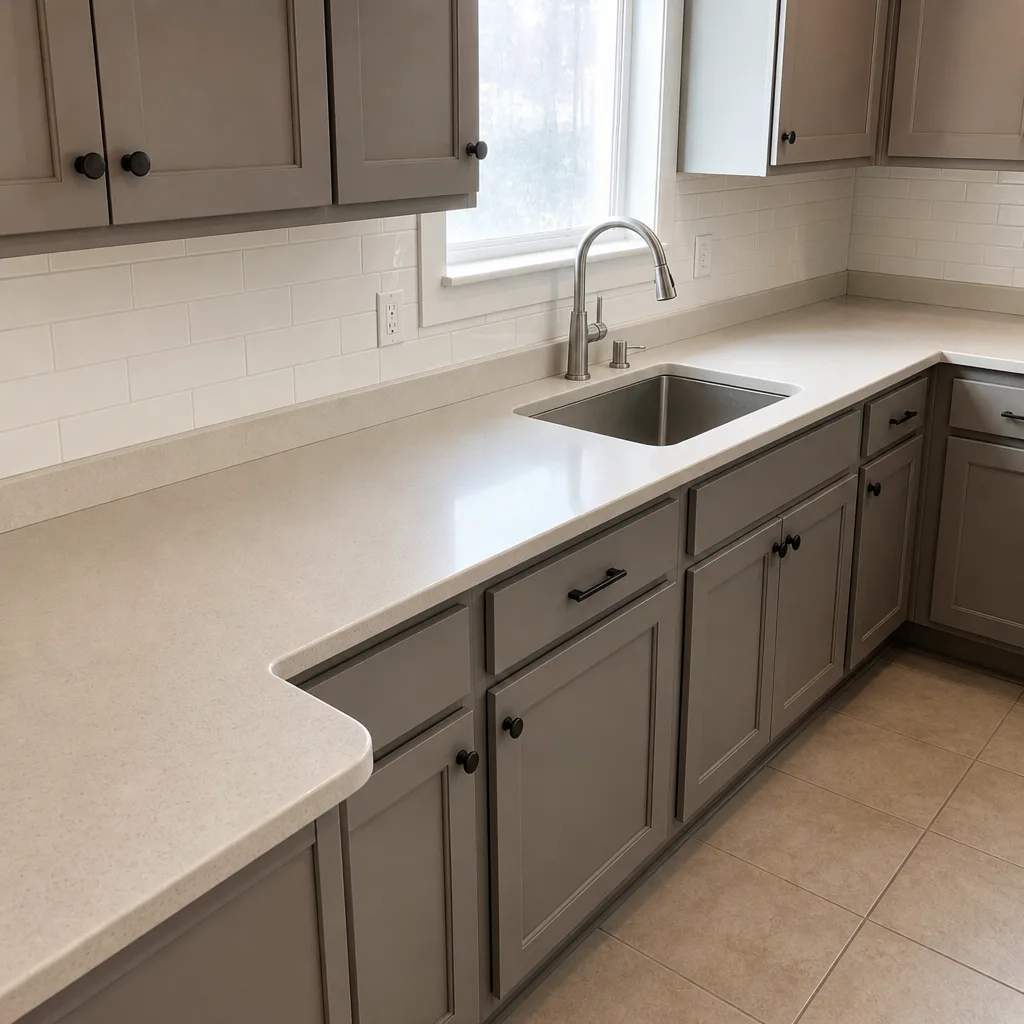
What we see in Boulder City homes: stucco walls that look fine but hide hairline cracks at the flashing line, older terracotta tile roofs installed with tar underlayment that has dried out, and window openings that were sealed with the wrong product during a prior remodel. Any of these combined with a monsoon and an open wall during a Kitchen Remodeling in Boulder City project is a water emergency waiting.
The contractor-side response matters as much as the homeowner’s. If we know a monsoon cell is inbound, we tarp and seal the same afternoon. We don’t wait to see if it actually rains. That’s a standard, not a favor.
What to check after any monsoon
- Any area where new material meets existing exterior wall.
- Window and door openings currently under construction.
- Ceiling drywall directly below the roof area being worked on.
- The base of any exterior wall where stucco meets grade.
- Attic insulation for dampness if the roof was opened.
Water that travels inside a wall cavity can dry without ever showing a stain. If your remodel involves opening up a wall near a window or a roof plane, assume a monsoon will test it and plan for sheathing protection before the season starts.
Summer HVAC Failure During an Active Remodel
Reno projects here happen in the same months the system is running hardest. An air handler pulled apart for an electrical panel upgrade or a duct relocation can fail in the first afternoon of August, when Boulder City sits at 95 degrees while the valley is at 105. That ten-degree break is a real advantage, and it’s also why homeowners here sometimes push a broken unit to “we’ll manage.” Two days of 95-degree indoor temperatures with active drywall compound, wood cabinetry and flooring acclimating will cause more damage than the HVAC repair itself.
Two things to do the day before demo starts:
- Confirm with your contractor, in writing, which day the HVAC system is going offline and for how long.
- Have the HVAC company that services your home already identified, with their number on the same sheet as your contractor’s live line.
When ductwork has to be moved or a return added, that’s coordinated work, not an emergency, and it belongs in the written scope before demolition. The emergency is the failure of a unit that was already running, or the discovery that the duct system was sealed with a product that fails under new pressure. Either way the first call is the contractor, and the second is the HVAC technician.
Your cabinets, flooring and any finished casegoods are the assets at risk. KraftMaid and Wellborn cabinetry that arrives on site has a moisture and temperature acclimation window; a house at 95 degrees for three days blows past it. If a contractor recommends moving materials to a conditioned space rather than installing in the heat, that’s not an overreaction.
Load-Bearing Surprises During Demo
The most common pleasant discovery that isn’t pleasant: a wall that looked like a partition during the walkthrough is load-bearing. In Boulder City, a lot of housing stock went up between the 1950s and the 1980s, and some of those walls have no visible ceiling beam because the original builder ran the joists a different direction than a modern plan would. Removing the drywall reveals it. Nothing wrong with the plan, just a different building.
The other surprises involve water-damaged framing hidden behind stucco, old knob-and-tube or two-wire wiring that isn’t up to current code once a wall is open, and plumbing stacks that don’t match their original drawings. When a wall opens and the structure is not what the plan says it is, the sequence is always the same:
- Stop work in that zone immediately.
- Get a structural assessment from a licensed engineer or the general contractor’s own licensed design professional. Not a verbal opinion from the framing crew.
- Update the written scope and price before any work resumes in that zone.
This is the exact moment a homeowner learns what their contractor is really made of. A contractor who quotes a change order verbally and starts cutting within the hour is inventing a way to inflate the bill later. A contractor who puts the change in writing with a fixed price, and waits for the homeowner’s approval before resuming, is following the process a written guarantee depends on. That’s the standard we hold to as a General Contractor in Boulder City, and it’s the one to demand from anyone you hire.
What a “Stop Work” Situation Looks Like and When You’re Protected
Nevada law gives homeowners real leverage, and it’s worth understanding before you need it. A stop-work situation typically looks like one of these:
- Your contractor has walked off site and you haven’t heard from them in more than a week.
- Work is proceeding in a way that endangers the structure, or without permits where a permit is required.
- The contractor is asking for more money outside the written scope and will not document the change.
- A material or installation defect has been identified and won’t be corrected.
Nevada’s contractor licensing law, administered by the Nevada State Contractors Board, requires written contracts above a defined dollar threshold and protects homeowners from unlicensed contracting. If a contractor is licensed, there’s a formal complaint process. If they’re not, that’s the entire answer: unlicensed work in Nevada is a different legal category, and your recovery options are shaped by it.
The safest move when you suspect a stop-work situation is underway:
- Send written notice (email is fine, certified mail is stronger) stating the specific problem and a reasonable date by which it must be addressed.
- Do not withhold from a deposit or progress payment that was properly earned under the written contract. Withholding on a technicality turns you from the wronged party into the party in breach.
- Photograph everything and keep a dated log of every call, text and in-person conversation.
Which brings us to the most important point. The best protection is a written contract that puts price, arrival window and guarantee in writing before work starts. Kingswell standard has required this since 2004 for a reason: it’s the paper that turns an emergency into a resolution.
How to Document an Emergency So a Guarantee Claim Is Airtight
Every month we handle a claim where the work is fine but the record is not, and the homeowner has the weaker hand. Guarantee claims are won on documentation, not on assertion. Here’s the exact sequence we walk through with our own clients:
- Timestamped photos. Use your phone camera with location and time enabled. Shoot wide first to establish the room, then close, then a photo with something for scale (a tape measure or a shoe).
- Written notice to the contractor. Email counts. State what happened, when, where, and what you’re asking for. “On Thursday, July 18, at approximately 4:15 PM, water began entering the kitchen from the north wall. Photos attached.” Keep it factual.
- A dated timeline log. Every call, text and visit, with who you spoke to and what was said.
- Preserve the evidence. Don’t clean up the failed component before it’s been inspected and photographed (do mitigate active damage; take photos first).
- Keep every invoice and payment receipt. A guarantee claim needs proof of what was paid for and what work it covers.
Under our 365-Day Done Right Promise, if anything we installed fails within the year, we come back and fix it at no charge. That’s a written commitment included with every job, and it applies whether the failure surfaces the week after the crew leaves or eleven months later. A free return visit is part of the promise, no service call or re-inspection fee. That promise is only honored cleanly when the record supports the timeline, which is why we ask our clients to document every step, even the ones that feel obvious.
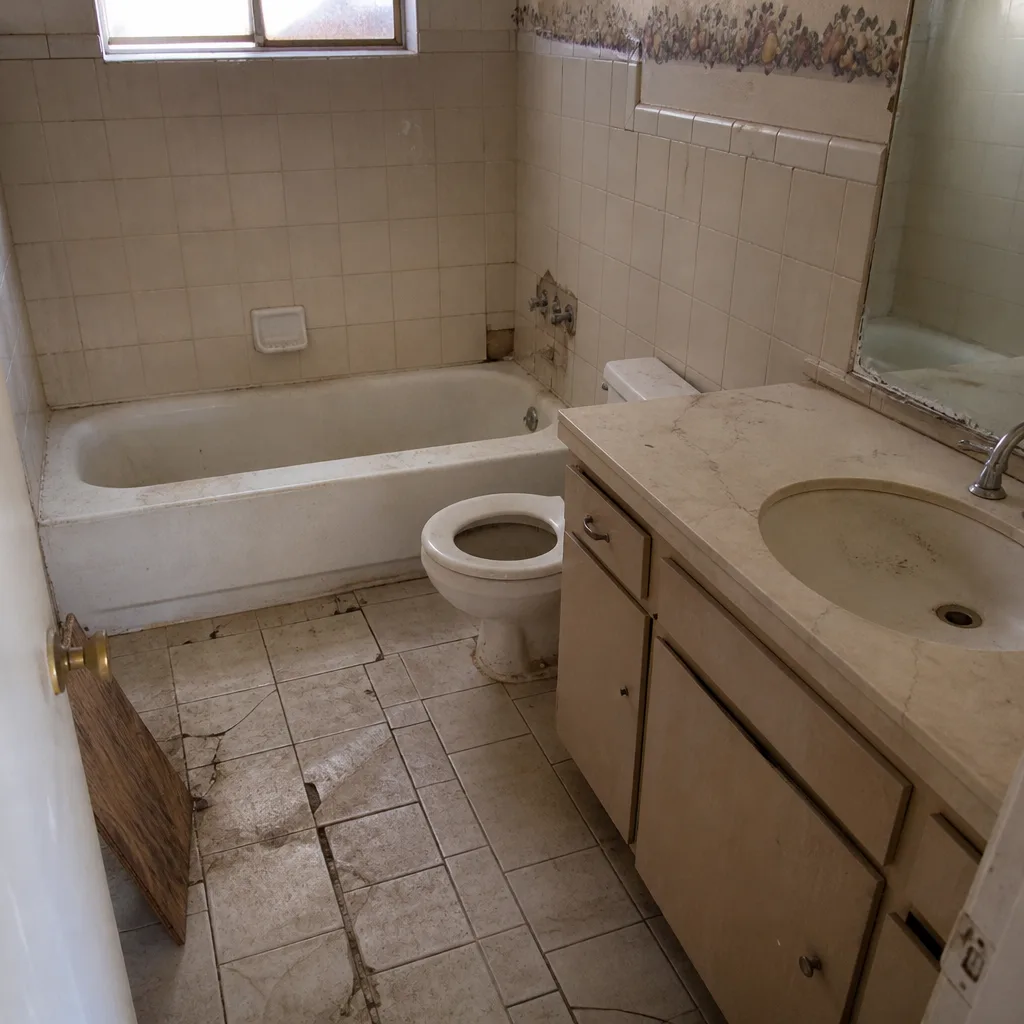
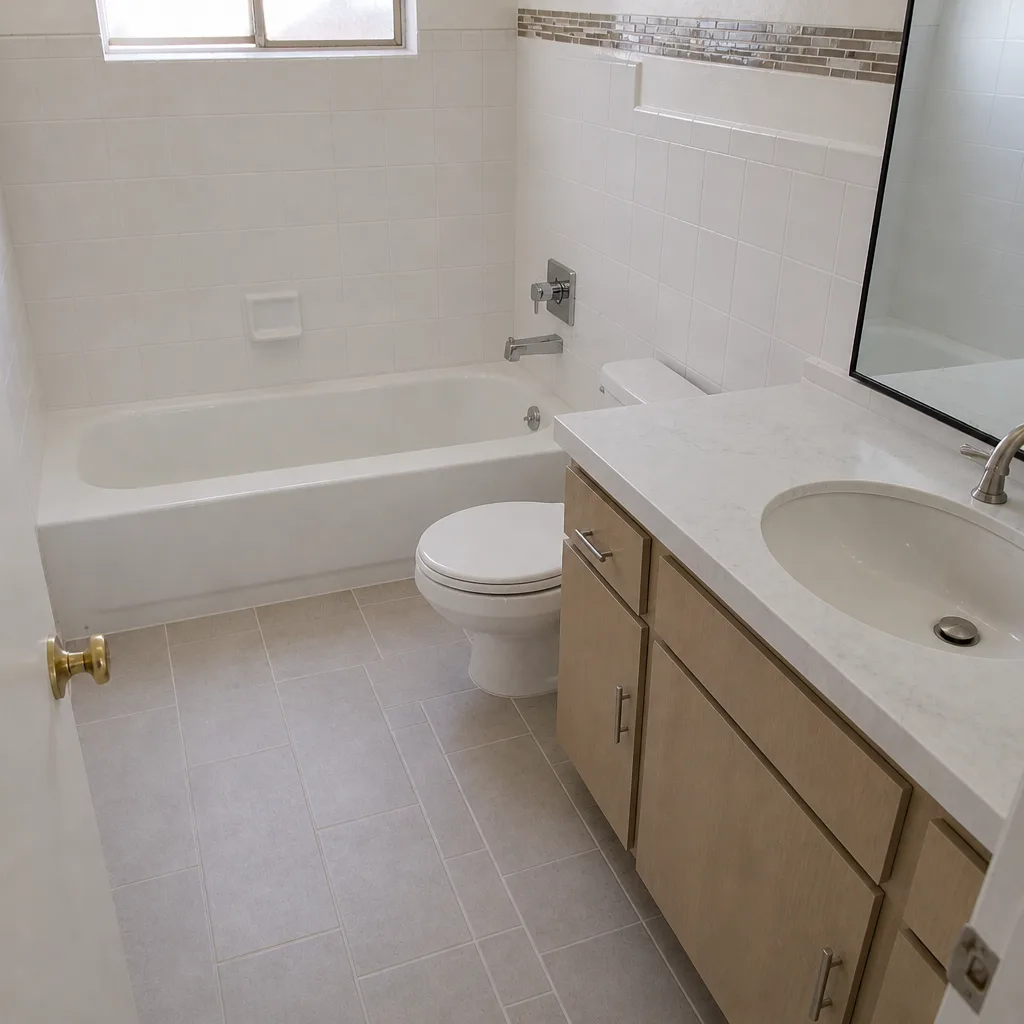
If you’ve already gone through a Bathroom Remodeling in Boulder City project and the tile floor has started lifting or caulk is failing, that’s a guarantee claim, not a new job. The same photo-and-written-notice sequence applies.
Boulder City Emergency Contacts Worth Saving Today
Fill this section in before demo day. The exact phone numbers you’ll want at the moment you actually need them are not the ones you’ll want to be looking up on a phone at 4 PM on a Friday.
- Boulder City utilities. For water main shutoff and electrical service issues, the city of Boulder City utility department is the first call. Save the number from your most recent bill or find it on the city website before work starts.
- Boulder City Building Department. For permit-related emergencies (a structural question arising mid-demo, or an inspector stop-work order), the Building Department is the enforcing authority. Their general line handles inspections; ask about the after-hours emergency line when you call during business hours.
- Nevada State Contractors Board. For a formal complaint against a licensed contractor, the Board’s complaint process is public and documented. Keep the contractor’s license number from your written contract – another reason to have the contract before work starts.
- Your insurance agent. Water damage and structural review claims need to be started within a specific window; your homeowner’s policy has a definition of “prompt notice” you should ask about before any project.
- Your contractor’s live line. This is the one that matters most, and it’s the one you should test before you sign. Call the number on the contract and see whether a live person answers.
One thing to note about Boulder City specifically: we’re a small city, and a lot of the emergency coordination between utility, building department and contractor happens person-to-person on the same day. That works in a homeowner’s favor. It also means an out-of-town contractor who doesn’t know where the building department is located is a genuine risk during an emergency.
What to Have in Writing Before Work Starts
An emergency only has a resolution path if the paperwork was done first. The list below is what we put in front of every client before we touch a single cabinet.
- The written price. Not an estimate range, not a verbal ballpark: the exact number you can hold the contractor to. Materials, labor, permits, contingency line for discovered conditions.
- The arrival window. The day and time window the crew will be on site, in writing. On the contract, not in a text.
- The written guarantee. What it covers, how long it lasts, and exactly what happens if a covered item fails. Ours is the 365-Day Done Right Promise, and it’s included in the contract.
- The change-order process. How discovered conditions get priced and approved before work proceeds. Written, with fixed pricing, before any cutting resumes.
- The after-hours contact. A live phone line, not a voicemail. Test it before you sign. If you get a recording, ask who actually answers when you call after 6 PM.
- The insurance and license. Licensed and insured as their state requires. The proof goes in the file before work starts.
- The clean job site promise. The site should be left cleaner each day than it was found. That’s a written promise under The Kingswell Way, and it applies to the plainest kind of job.
Get all seven in front of you and an emergency has a way forward that doesn’t run through a dispute. Skip any of them, and you’re relying on verbal memory during the worst possible moment. The Penhallow Remodeling Boulder City home page is a good place to see the whole package as it appears on our own contracts.
Common Mistakes to Avoid
- Not testing the emergency phone number before signing. Call the number on the contract at 7 PM before work starts. If you get voicemail, that’s your after-hours reality during the actual emergency.
- Letting demo start before materials are staged for monsoon season. Sheathing, house wrap and temporary sealing should be on site before a hole is opened, not ordered after water shows up. In Boulder City, a monsoon cell can arrive in the same 48 hours your wall is open.
- Cleaning up the failure before photographing it. Fix the damage, yes. But shoot wide, close and with scale before you do. A guarantee claim without a clear “before” photo is a harder claim.
- Accepting a verbal change order on a load-bearing discovery. “We’ll figure it out after” is a way to write a surprise invoice later. Demand the number in writing before work resumes.
- Assuming homeowner’s insurance covers the mid-project failure. Some policies exclude work-in-progress defects; ask before demo day and get the answer documented.
- Hiring a contractor who doesn’t know where the Boulder City Building Department is. It sounds trivial until you need a structural inspector on site in 24 hours and the contractor’s office is in another state.
- Not keeping the contractor’s license number on file. The Nevada State Contractors Board complaint process starts with the license number. Save it from the contract.
See the difference
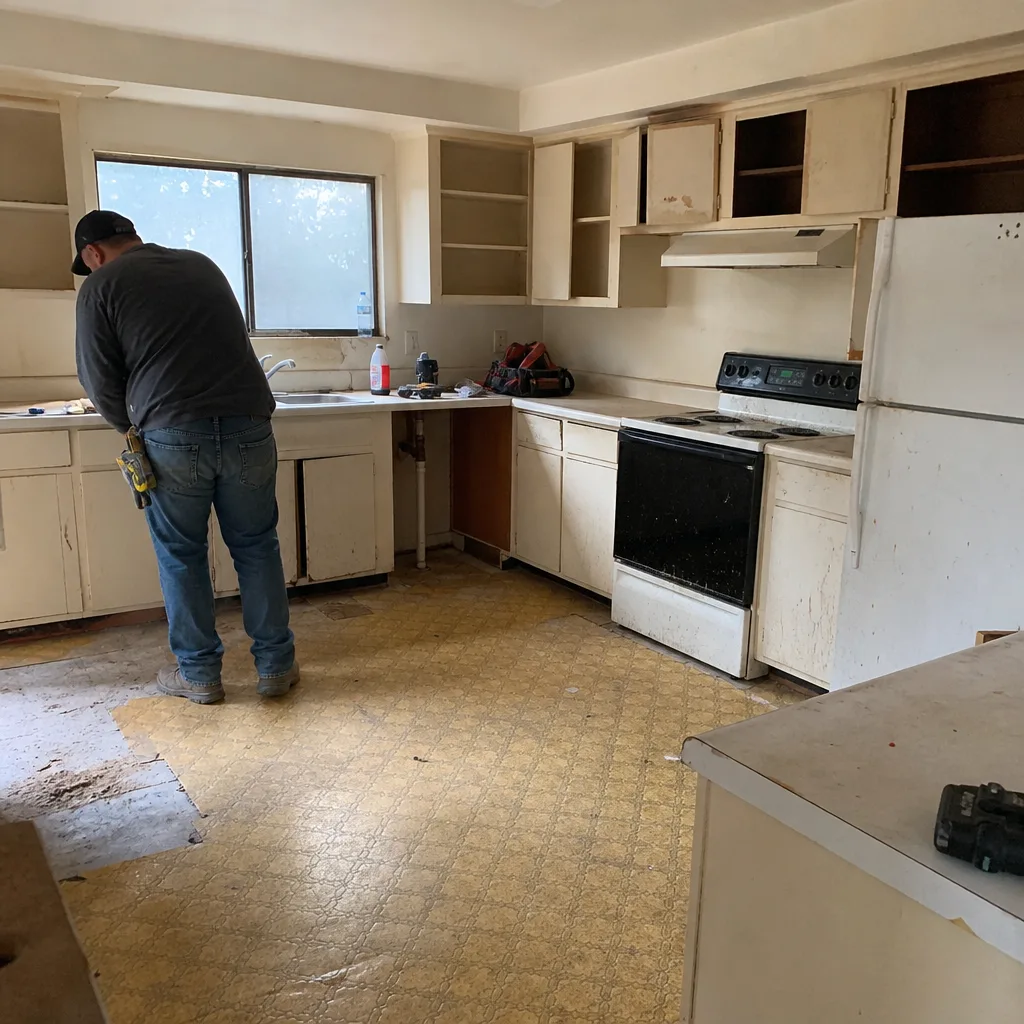 Before
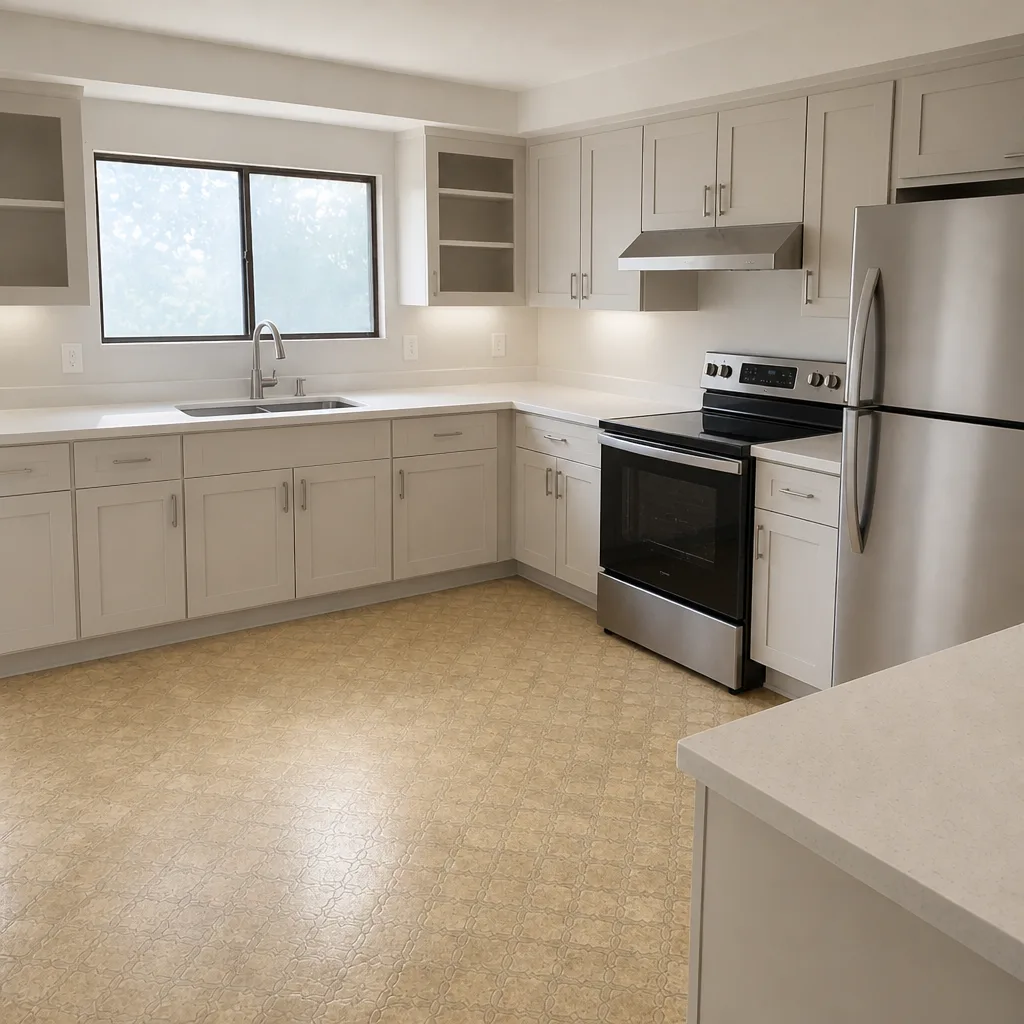 After
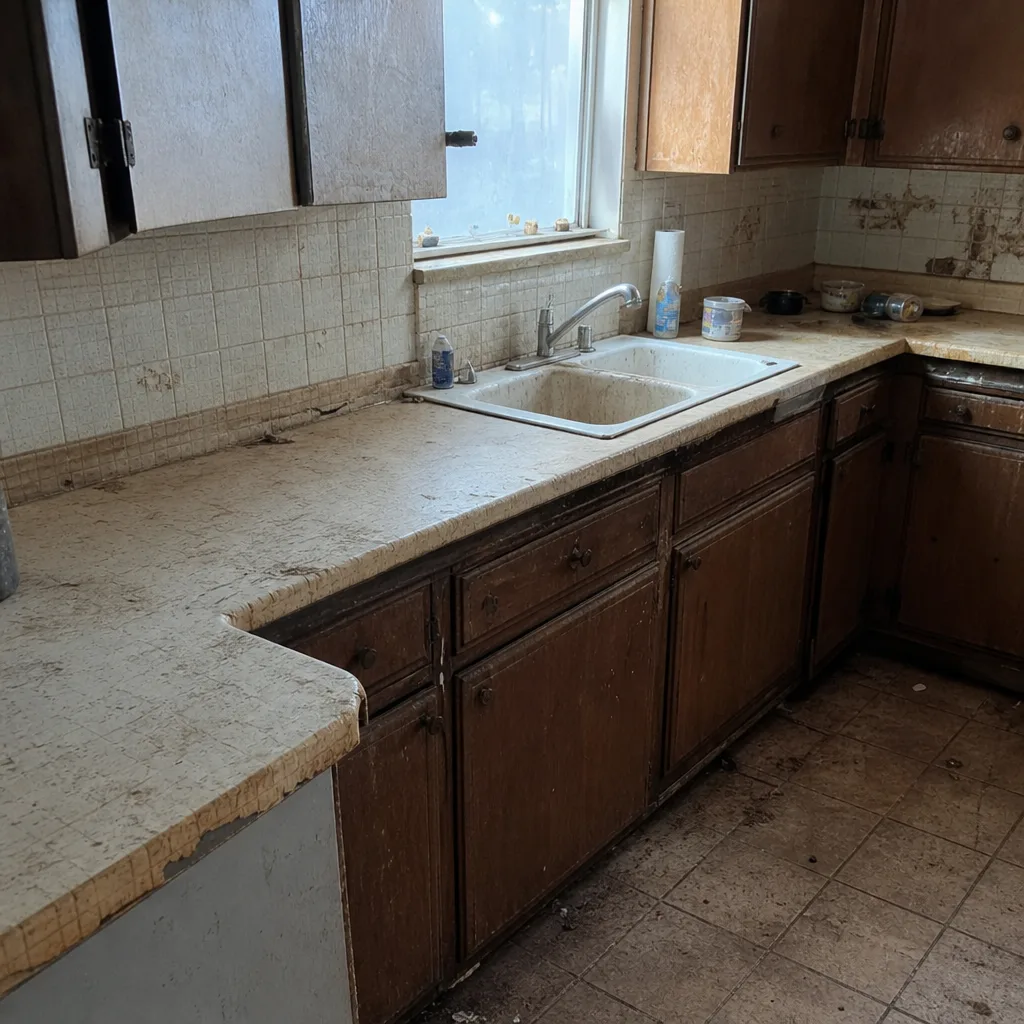 Before
 After
 Before
 After
When to Call a Professional
Call a professional the moment any of these happen: water is actively entering a wall, ceiling or floor zone; the HVAC unit is down during construction in July or August; demo reveals a load-bearing wall or a structural detail that doesn’t match the plan; a plumbing line under new pressure fails; or your contractor has gone quiet for more than a few days on an active project. Those aren’t DIY territory, and they aren’t “wait and see” territory either. The right call is to your contractor’s live line first, then the relevant trade, then your insurance agent if water or structural damage is involved. Penhallow Remodeling Boulder City offers free estimates in Boulder City and answers the phone 24/7 – the call is (844) 834-9740, and it’s answered by a person, not a voicemail prompt.
Frequently Asked Questions

Call your general contractor’s live phone line first, then shut off the water main at the meter if the source is plumbing. Kill power to any circuit in the wet zone before you go near it. Photograph the water line at its peak before extraction, and send a written notice (email is fine) with those photos the same day. If the contractor doesn’t answer, call a licensed plumber and begin documenting every call.
It should only change in writing, with a fixed price you approve before work in that zone resumes. Discovered conditions are normal in Boulder City’s older housing stock; unexpected change orders that appear at the invoice stage are not. A legitimate contractor puts the change in writing with a line-item price and waits for your approval. That’s the standard the 365-Day Done Right Promise operates under: price before work, always.
Yes. Permit work is part of the written price before any work starts, and inspections are the contractor’s responsibility under the contract. If a contractor asks you to pull the permit as the homeowner, that’s a red flag worth asking about, because it shifts liability onto you and may void the contractor’s warranty obligation under Nevada law.
If tile, cabinetry, plumbing, electrical or any installed element fails within 365 days of substantial completion, the contractor returns and fixes it at no charge. If the repair fails on the return visit, a second visit is free with no service call or re-inspection fee. The promise is in writing with the contract, and it survives an emergency because it’s the paper that defines the resolution path in the first place.
Depends on your homeowner’s insurance policy and the contractor’s written contract. Ask your insurance agent, before demo day, whether “work in progress” is covered and what “prompt notice” means in your policy. On the contractor side, water intrusion that comes from a construction opening should be the contractor’s scope to seal; that should be in writing before a wall opens. Call (844) 834-9740 for a free estimate and we’ll walk through the coverage question with you.
You owe for work that was properly performed under the written contract; you don’t owe for work that wasn’t performed or work below the contract standard. That’s why the written contract matters: it’s the whole answer. If you’re considering a stop-work, send written notice specifying the problem and a reasonable date to fix it, and keep paying to the extent of properly earned progress payments. The Nevada State Contractors Board can advise on a formal complaint.
The Bottom Line
Every emergency in this guide has the same shape: a failure happens, and how well it resolves depends on how thoroughly the paperwork was done before it happened. The written price, the arrival window, the guarantee, the after-hours phone line, and the change-order process are the five things that turn an emergency into a resolution. In Boulder City that means preparing for monsoon water, summer HVAC failure, older-housing structural surprises and plumbing under new pressure. Have the phone number, the contractor’s live line, and the documentation sequence ready before work starts. Everything else is manageable.
If you’re planning a kitchen, bath or whole-home project in Boulder City, call (844) 834-9740 for a free estimate. You’ll get a written price before any work starts, a written guarantee with every job, and a live person on the line 24/7 – the same standard on every project.
Written by the team at Penhallow Remodeling Boulder City.