
Last updated November 18, 2026








Free written scope consultation - allowances, timeline, and change-order rules on paper before a single trade is scheduled
Home Remodeling Warning Signs Every Homeowner Should Know
If you’ve stopped noticing the musty smell in your hallway, that’s not a sign the problem went away. It’s a sign you’ve normalized a moisture issue that is actively growing behind your drywall. Homeowners make terrible inspectors of their own houses for one simple reason: you live there every day. Your eyes adjust. The crack that startled you in March becomes wallpaper by July. In our experience walking Boulder City homes, the expensive problems are almost never the dramatic ones. Sagging ceilings get noticed. Quiet grout erosion and hairline stucco movement do not, and those are the ones that turn a $9,000 bathroom refresh into a $30,000 remediation. This guide covers what to actually look for.
Quick Answer
The most important home remodeling warning signs are soft or spongy floors near fixtures, repeated caulk and grout failure, hairline stucco cracks that keep reopening, musty smells that never quite leave, and any previous remodel with no paper trail of permits or inspections. These are quiet signals that moisture, movement, or unpermitted work is degrading the structure behind your finishes. Left alone, each one tends to move a project out of remodel pricing and into remediation pricing.
Styles & brands we work with
- Kitchen remodeling
- Bathroom remodeling
- Home additions & ADU
- Roofing
- Windows & doors
- Driveway & pavers
- Fence
Table of Contents
- Why Homeowners Are the Worst Judges of Their Own Homes
- Boulder City Warning Signs You Won’t Find on Any Checklist
- The Warning Sign That Isn’t Visible at All: Unpermitted Work
- Cosmetic Aging vs. Functional Degradation
- Water and Moisture Signals That Get Missed
- How to Triage: What to Watch, What to Fix, What to Quote
- The Signs You Can’t Ignore Past a Certain Point
- The 12-Point Walkthrough We Do on Every Home
Why Homeowners Are the Worst Judges of Their Own Homes
Adaptation blindness is the reason a homeowner can stand in a bathroom every morning for two years and not notice that the caulk line behind the toilet has gone from a clean bead to a black, peeling seam. Your brain filters out unchanged familiar surroundings. That’s efficient for daily life and terrible for maintenance. The smell, the slight floor give, the grout that keeps coming back after you scrub it – all of it fades into background noise because nothing about it is new.
In our experience the fix isn’t a better eye. It’s an outside eye on a schedule. A professional walkthrough catches things your nervous system has already filed away as normal. That’s why we do a 12-point inspection on every consultation, even when the homeowner called about something else entirely. Half the time the problem they called about is the smaller one.
Three patterns we see over and over in Boulder City homes:
- A homeowner books a kitchen remodeling in Boulder City consultation and we find active moisture in the wall behind the sink – unrelated to cabinets, and worth fixing before anything is torn out.
- Someone calls about a bathroom “refresh” and there’s a soft spot in the subfloor under the tile, which means the waterproofing failed and the whole floor has to come up.
- A homeowner has never looked behind the washing machine in fifteen years. The supply hoses have been weeping onto the drywall the entire time.
The point isn’t to scare you into a remodel. It’s that “I haven’t noticed anything” is not evidence that nothing is happening. It just means nothing has gotten loud enough to interrupt your routine yet.
Boulder City Warning Signs You Won’t Find on Any Checklist
Boulder City is a high-desert climate with brutal summer heat and low humidity, and that produces a specific set of failure patterns that generic national checklists don’t mention. If a contractor hands you a warning-sign list written for the Midwest, half of it won’t apply here and the half that matters most will be missing.
Stucco hairline cracking: movement vs. settling
Hairline cracks in exterior stucco are normal in the desert. The sun hits a south-facing wall at 115 degrees and the wall expands; it contracts at night. That thermal cycling produces fine cracks, and most are cosmetic. What separates settling from active movement is the pattern. Cracks that follow a stair-step path, reappear in the same location after patching, or run wider than a credit card edge suggest something underneath is shifting. Cracks that spider out in all directions from a single point often trace back to a repair that was never properly keyed into the underlying lath. When we see a crack that’s been patched twice and come back, we want to understand why before we quote a finish.
HVAC sweating on interior walls
In a dry climate, condensation inside a wall is easy to dismiss because you never see it. You just smell it. An air handler or duct run that isn’t properly insulated against a hot attic or exterior wall can sweat, and that moisture lands in the framing, not on the floor where you’d notice. If you have a room that smells musty only in summer, and the AC is running hard, the ductwork is the place to look first. This is a Boulder City-specific pattern – our humidity is low enough that interior moisture rarely comes from outside air, so when it shows up inside a wall, something is generating it.
Grout erosion from hard water
Southern Nevada water runs hard, and hard water eats cementitious grout. That grout is the sacrificial line of defense between your tile and the substrate behind it. Once it’s eroded, water gets in and the thinset and cement board (a moisture-resistant layer behind your tile) start failing underneath. Most people read that as “the grout looks bad” and reach for a cleaner. It’s actually a functional warning: the waterproofing is degrading. If you’re re-grouting the same shower every couple of years, the answer isn’t more sealer. It’s understanding what’s happening underneath, usually a tile system that was never built right in the first place. A proper installation with Schluter waterproofing underneath doesn’t erode because the water never reaches the grout’s weak points.
The Warning Sign That Isn’t Visible at All: Unpermitted Work
The most expensive warning sign in a house is often invisible because the previous owner did a nice job on the visible parts. We walk into a bathroom that looks clean and current, then find out the MEP work – mechanical, electrical, plumbing – was never inspected because there’s no permit record at City Hall. That matters every time.
Why it’s a real problem and not a technicality:
- Your sale can stall. Buyers’ lenders and inspectors want permit records for any finished work that required one. A finalized bathroom remodel with no permit on file is a red flag to a buyer’s inspector, and it can force a price reduction or a re-inspection you pay for.
- You own the defects. If the previous owner’s electrician (or “electrician”) undersized a circuit in the shower, that’s on you now. You’re the one standing in it.
- Insurance can argue. When a claim traces back to unpermitted work, coverage gets complicated. A slow plumbing leak behind an unpermitted shower rough-in is the classic example.
- Your next contractor inherits the mess. We’d rather discover the unpermitted work during our free estimate than after demolition when we find a drain that isn’t vented.
A practical test: pull the permit history before you buy any home in Boulder City that’s had a kitchen or bathroom remodel done, and pull it again before you start your own project. It takes one phone call to the city. If you don’t know how to read what comes back, call us and we’ll walk you through it. A general contractor in Boulder City should be pulled in before any wall opens, and permit history should be part of that conversation.
Cosmetic Aging vs. Functional Degradation
Not every warning sign is a warning. Half the things homeowners worry about are cosmetic aging, which is safe to watch and ignore. The other half are functional degradation, which needs a timeline and a written quotation. Telling the two apart is the skill. Here’s how we sort them:
- Cosmetic aging: scratched coatings, faded grout color (not eroding grout), a door that’s settled out of square but still swings freely, caulk that’s discolored but still bonded, minor surface chips in a counter. These can wait a year without the cost of the eventual fix materially changing.
- Functional degradation: soft or spongy tile (you shouldn’t feel give underfoot), caulk that’s pulling away from the wall and letting water in, a toilet that rocks (that’s not installation sloppiness, that’s a failed flange), grout that’s crumbling away rather than just looking dingy, doors that stick after years of not sticking (that’s usually moisture or foundation movement, not a door problem).
The rule that matters: anything letting water where water shouldn’t be is functional, not cosmetic, and it doesn’t get better on its own. A countertop with a chip is a someday. A shower with a failed caulk line is a this-month. The chip costs the same whether you deal with it now or in two years. The caulk doesn’t. Every year you defer it, the eventual fix has a bigger scope, because water gets into a bigger part of the assembly.
If a fix is functional, get it in writing as a line-item price, not a range. That’s the standard we work to: every homeowner receives a written price before any work starts, so the number on day one is the number on the invoice. You can hold a written number; you can’t hold a verbal ballpark.
Water and Moisture Signals That Get Missed
Water is the source of most of the expensive projects we get called in on, and it’s almost always been present long enough to normalize. The signals are quiet. Here are the ones we consistently find that homeowners had noticed but dismissed:
- The smell test. A musty smell that’s always “sort of there” in one room is the single most common early signal of a growing moisture problem. If you’ve stopped noticing it, treat that as information, not as an all-clear.
- Bubbling paint on an interior ceiling or wall. That’s moisture pushing from behind, not a bad paint job. It usually means the vapor barrier or flashing above failed somewhere.
- Dark staining at the base of a toilet. The wax ring failed. Water is under the tile. It is not a stain, it is a leak that has a head start on you.
- Caulk that keeps failing after re-caulking. If you’re re-caulking the same gap every year, something is moving or water’s getting behind the caulk. New caulk won’t fix either.
- Closet floors under sinks. Pull everything out of the cabinet under the bathroom sink and look up at the bottom of the counter and at the wall behind the supply lines. Most leaks start as slow drips that dry up by morning and disappear before anyone notices.
- Floor grout that looks different in one area. Darker grout in one patch of tile means it’s wet underneath. The tile isn’t the problem; the waterproofing failed.
We install Kohler and Grohe fixtures in showers specifically because good valve cartridges and proper rough-ins don’t fail the way cheap ones do, but no fixture outlasts a rough-in that was done without proper waterproofing. When you’re considering a bathroom remodeling in Boulder City, the fixture schedule matters less than what’s behind the tile. That’s the part you can’t see and can’t easily fix later.
How to Triage: What to Watch, What to Fix, What to Quote
Not every signal requires a decision. Here’s how we sort a home’s warning signs into three buckets, which we recommend doing once a year whether you’re planning to remodel or not.
- Watch (cosmetic, stable). Hairline stucco cracks that haven’t moved. Faded grout that isn’t eroding. A door that’s slightly proud of the frame but swings fine. Write these down with the date, photograph them, and check in six months. If they haven’t changed, they’re not going anywhere.
- Fix (functional, small). A failed toilet wax ring. A failed caulk line. A scratched sink. Anything under a few hundred dollars that is letting water in, get it done now, because the eventual cost grows. Get a written price and a written guarantee, even on a small job.
- Quote (functional, larger). Soft subfloor. Repeated shower grout failure. A musty room that won’t clear. Unpermitted prior work. Anything in this bucket gets a written quote with a timeline, so you understand what it costs to fix correctly and what it costs to defer. Then decide.
The trap most homeowners fall into is treating a bucket-three item as a bucket-one item: something to think about. That’s how a slow leak under a shower becomes a $9,000 tile job with a full tear-out instead of a $300 re-grout. If it’s wet, it’s bucket two or three. Never bucket one.
The Signs You Can’t Ignore Past a Certain Point
Most warning signs give you time. A few don’t. Once these cross a threshold, they stop being remodel items and become remediation items, and the budget difference is significant. When we say a project has “moved,” this is what we mean:
- Soft or spongy tile in a wet area. Once the substrate is waterlogged, you don’t have a tile problem, you have a framing and subfloor problem. A bathroom refresh becomes a full gut. The line between the two is usually the day the grout first eroded, which nobody dates, but it’s there.
- A ceiling crack that’s still growing. Horizontal cracks in drywall with a bow underneath are structural and should be evaluated by an engineer, not absorbed into a cosmetic list. If a ceiling is actively sagging, stay out from under it and call someone. Drywall and framing failing overhead is not something to monitor on your own.
- Musty smell plus visible discoloration. In our experience, once you can see it, the growth has been running for a while. By this point the scope includes removal of affected materials, not just drying and re-finishing.
- Bouncy floors in a kitchen. If the floor deflects underfoot near the sink or dishwasher, the subfloor is compromised, and your cabinets may be sitting on it. Cabinet replacement is planned from day one; baking it into a floor repair after the cabinets are ordered is not.
- Any prior remodel that failed inspection. If the record shows a failed inspection and no follow-up, assume the visible work is hiding more until proven otherwise. This one doesn’t get better.
Two things to be careful about: high-tension elements like foundation underpinning and major structural repair require a licensed engineer, and we’d rather refer you than guess. Electrical panel changes and gas line work are the same – those are not DIY projects and they aren’t the place to hire the cheapest bid. If a warning sign points to one of those systems, get a proper evaluation from the right trade before you sign anything.
The 12-Point Walkthrough We Do on Every Home
A structured walkthrough is how you beat adaptation blindness. Move room to room in the same order every year, use a flashlight, and check the same things. The 12 points we look at, in order:
- Crawlspace or attic – look for water staining, daylight, and any sign of the roof or plumbing leaking downward.
- Under every sink – bottom of cabinet, supply lines, drain connection, wall behind.
- Behind every toilet – wax ring seating, base staining, floor softness.
- Every shower – grout surface (crumbling or just dingy?), caulk bond, and a feel test on the tile floor.
- Bathroom ceiling and exhaust – is the fan actually pulling air out, and does the ceiling show any bubbling?
- Kitchen – underneath the sink, behind the dishwasher, water line to the fridge, the floor in front of the sink for bounce.
- Interior walls along the exterior – stucco-side cracks, paint bubbling, any cool or damp patch.
- Every exterior stucco face – crack pattern, size, and whether previously patched cracks are reopening.
- Windows and doors – do they open and close the same way they did last year?
- Floors – any slope change since last year, any threshold easy to trip on.
- Permit record check – pull the history for every prior kitchen and bath project on file.
- The nose test – go through the home after a hard AC run in summer and pay attention to what each room smells like.
Do this in the same order, with photos, once a year. What you’re looking for is change since last time, not flawlessness. A house is allowed to be imperfect. It’s not allowed to be moving without you noticing.
Common Mistakes to Avoid
- Treating a musty smell as a personality trait of the house. It isn’t. Once you’ve stopped noticing it, that’s the moment to call, not to move on.
- Re-caulking a gap that keeps opening. If it’s returning, the caulk isn’t the problem. Movement or water underneath is, and new caulk hides it for a season before it fails again.
- Hiring on price alone for unpermitted work histories. A cheap bid that repeats someone else’s unpermitted shortcut is a cheap bid that ports the problem forward. Ask about permits and inspections in writing.
- Not pulling permit history before a Boulder City purchase. We’ve seen sales close with prior remodels undocumented, and the buyer’s inspection then flags it four months in. One phone call to the city would have found it.
- Scanning for dramatic problems and stopping there. Sagging ceilings and foundation cracks are the easy ones. The quiet signals – grout erosion, hairline stucco movement, that faint smell – are the expensive ones, and they’re the ones a homeowner’s eye won’t catch.
- Accepting a verbal estimate for a functional fix. A number you can repeat is a number you can hold someone to. Get it in writing before a single thing is torn out.
- Doing high-tension work yourself. Underpinning, panel changes, gas line work – those need the correct licensed professional, and a warning sign pointing at one of them is a call, not a project.
See the difference
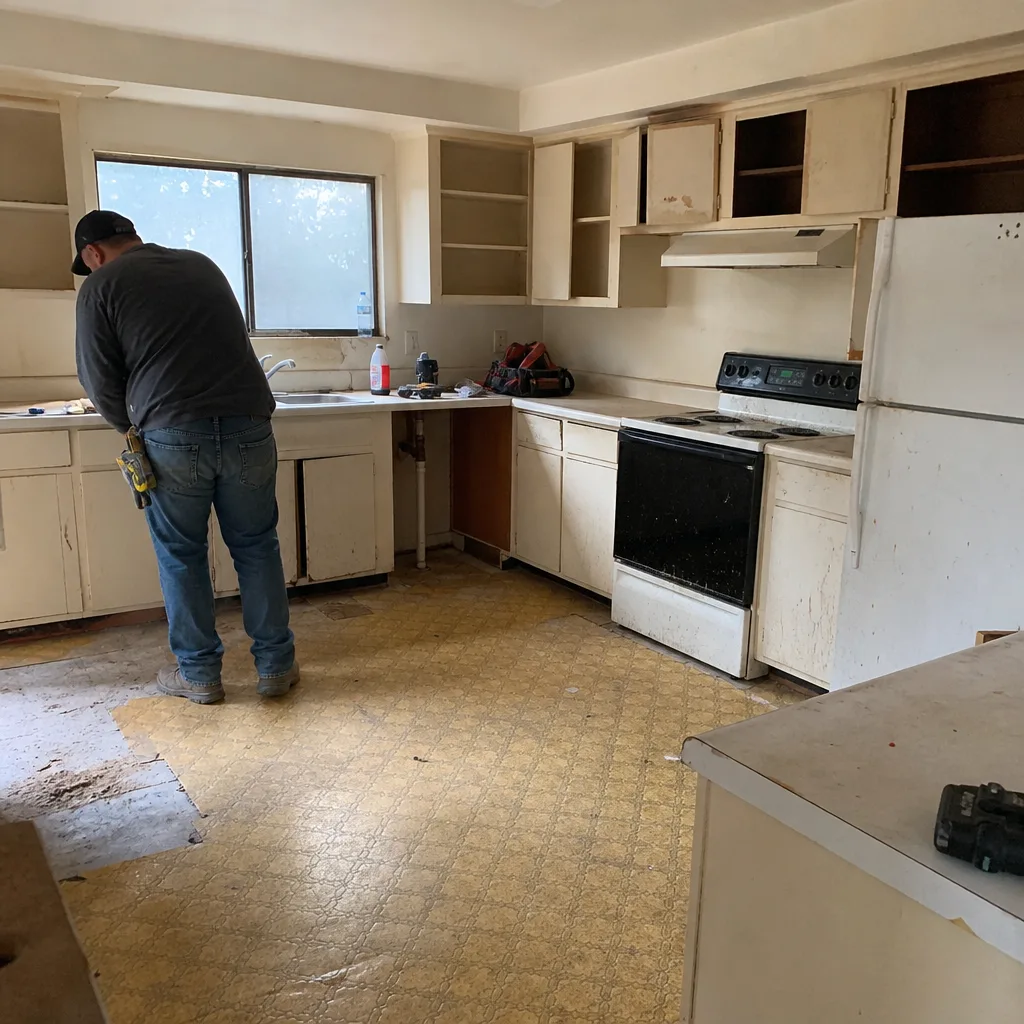 Before
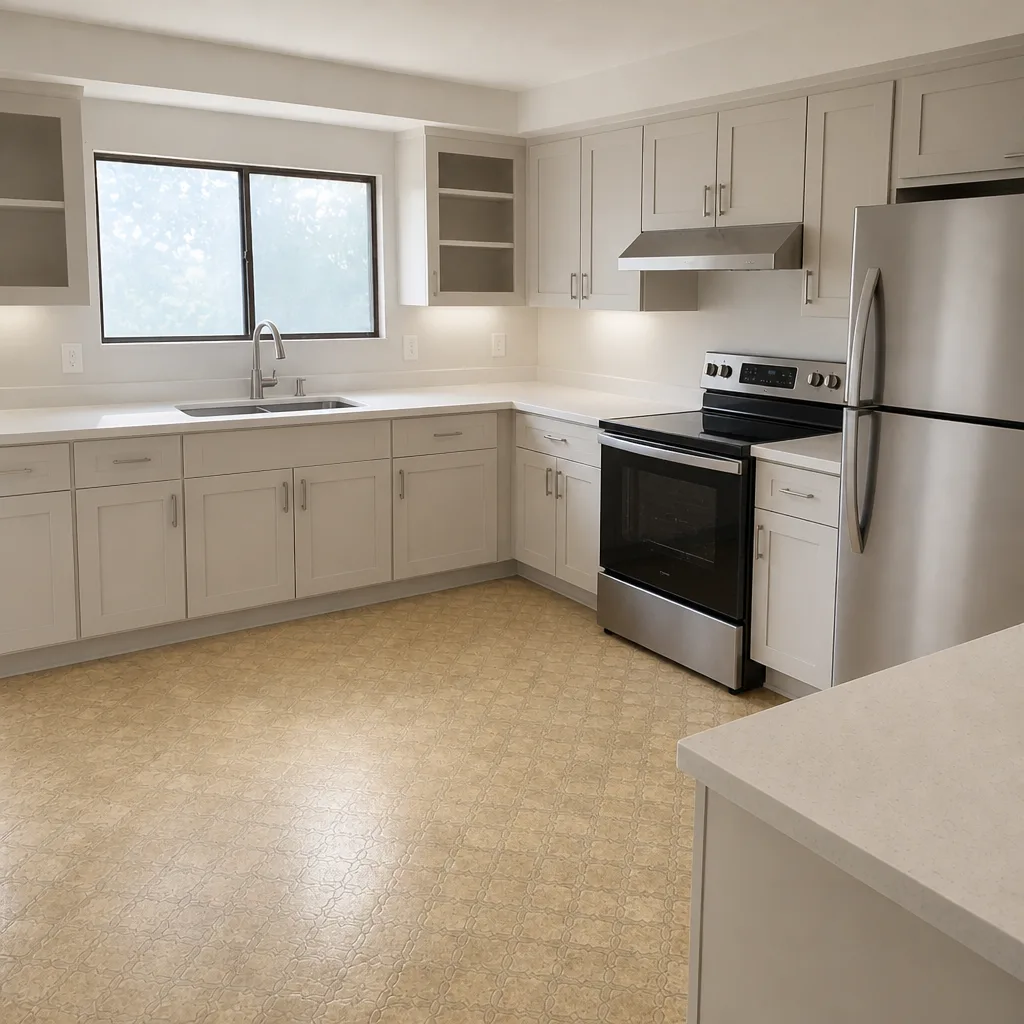 After
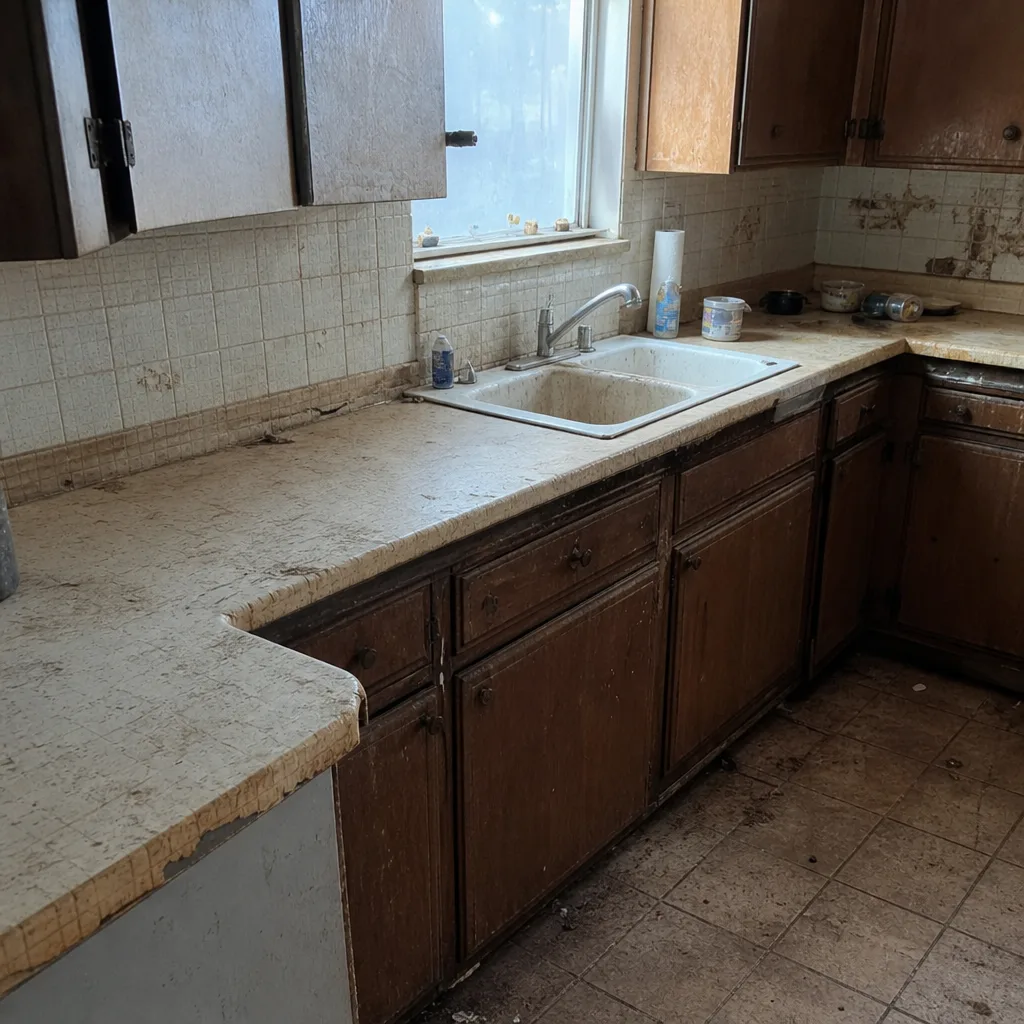 Before
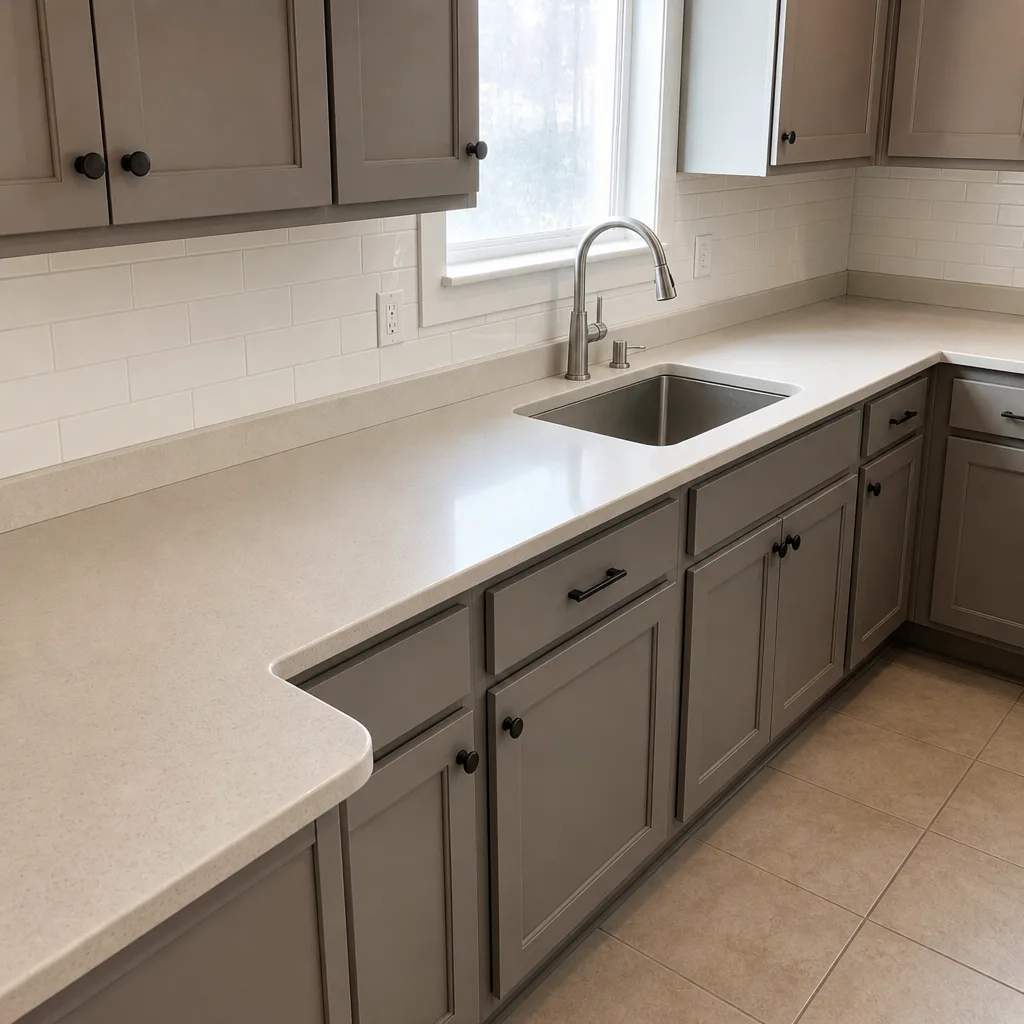 After
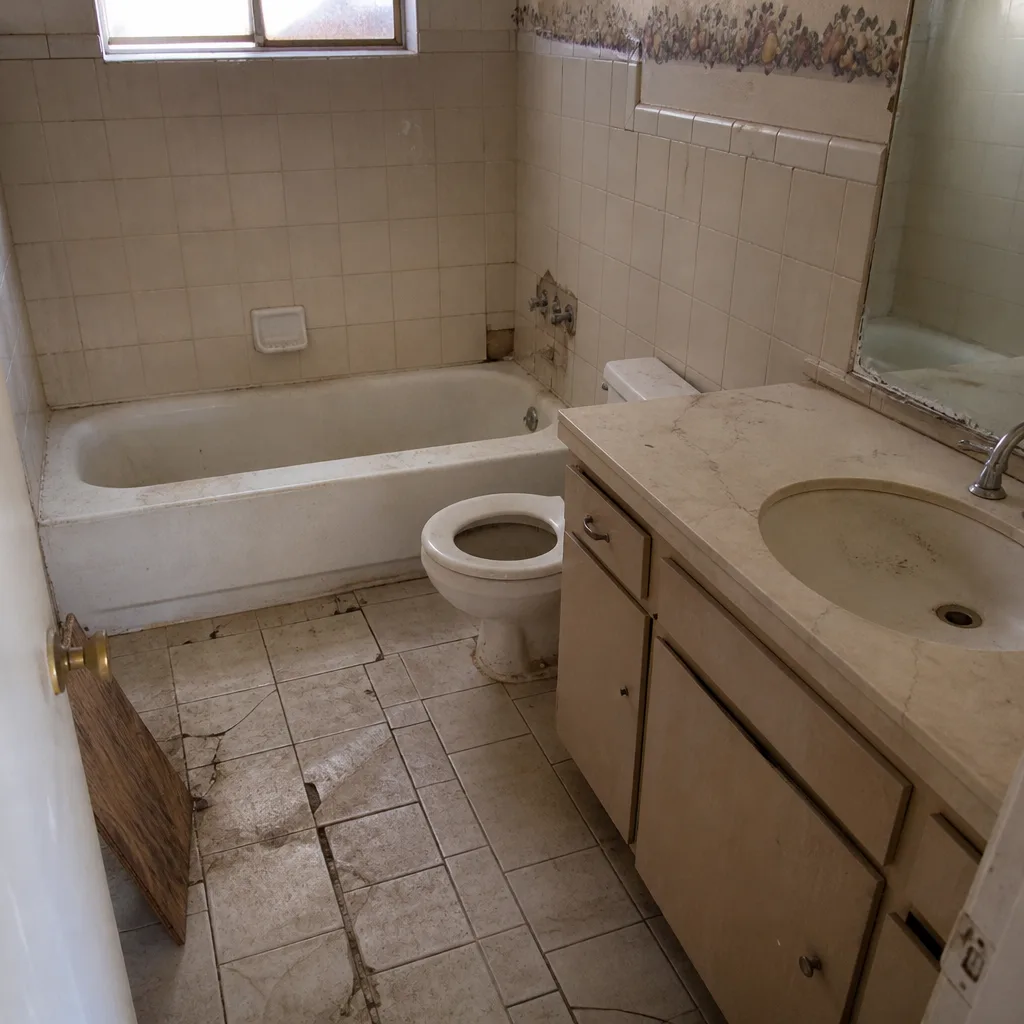 Before
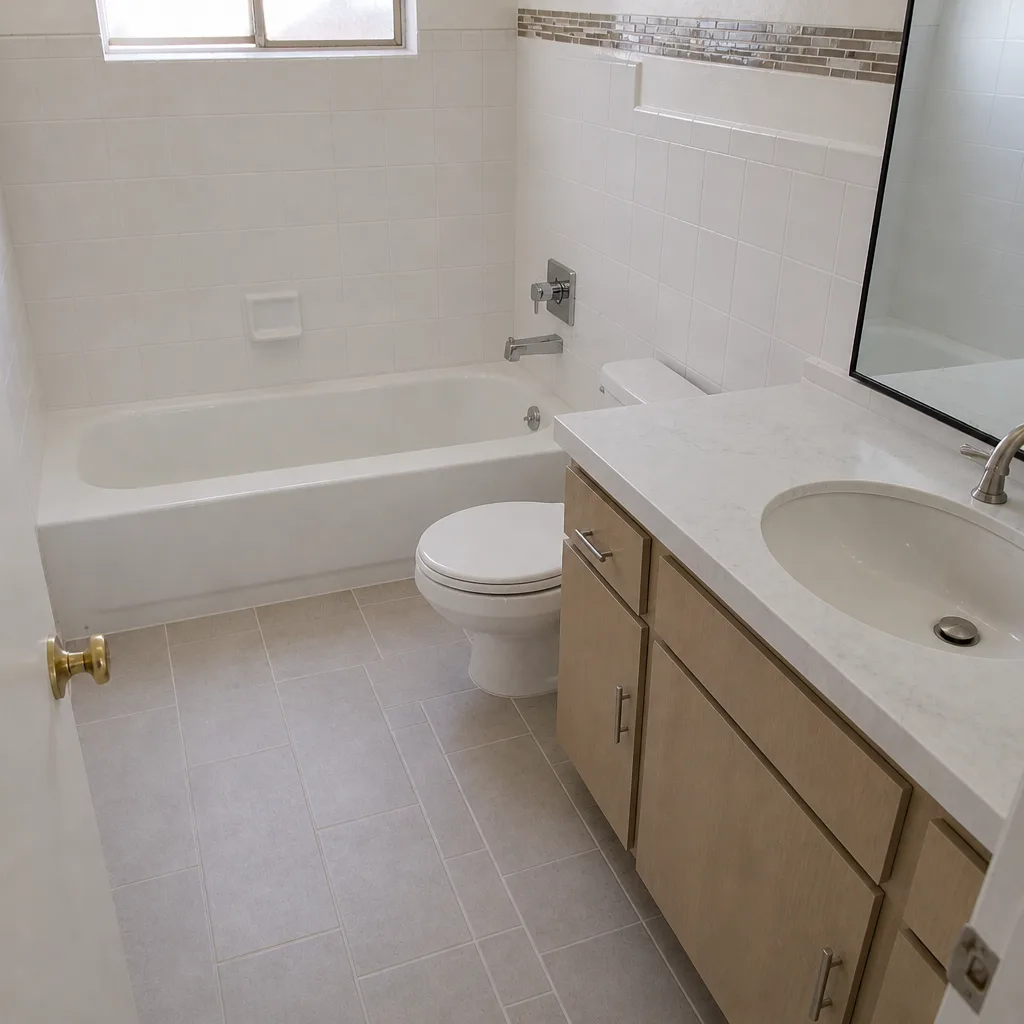 After
When to Call a Professional
Call a professional when a warning sign involves water you can’t track, anything structural that is still moving, or any previous work with no permit record. Also call if you simply haven’t had an objective walkthrough of your home in the last couple of years – adaptation blindness is the most reliable reason to bring in another set of eyes. In our experience, a professional walkthrough is the cheapest way to find out whether you have a someday problem or a this-month problem, and getting that timing wrong is what turns a modest repair into a remediation budget. For the Boulder City homes we see, the majority of “I’ll get to it” items that turn into emergency projects were caught on a routine walkthrough and deferred for another year. We’d rather you spend an hour with us now than six figures later.
Penhallow Remodeling Boulder City offers free estimates in Boulder City, with a written price before any work starts and a 365-Day Done Right Promise behind every project. Call (844) 834-9740 to schedule yours, or to have us walk through your home and tell you what we see.
Frequently Asked Questions

Musty smells in a room that’s been “sort of there” for a while, followed closely by failed caulk lines in showers. Both are signals of active moisture, and both are the things homeowners have normalized the longest. Most of the time, the fix is still modest when we see it on a routine walkthrough. It gets expensive after another year. Call (844) 834-9740 for an exact quote – estimates are free.
Most hairline stucco cracks in Boulder City are cosmetic, caused by thermal cycling as the walls expand and contract in the summer sun. The ones to watch are stair-stepped cracks, cracks that come back after patching, or any crack wider than a credit card edge. Those suggest movement rather than settling, and they’re worth a walkthrough. Call (844) 834-9740 for a free evaluation.
Pull the permit history for the home from the city. If a kitchen or bath was remodeled and there’s no permit on file for the work, it’s unpermitted. This matters for your sale, your insurance, and your next remodel, because the next contractor inherits whatever’s behind the wall. If you’d like help reading the records, call (844) 834-9740 – we’ll walk through the history with you at no charge.
Anything letting water into the assembly should be fixed now, because the eventual cost grows the longer it runs. Cosmetic aging – faded grout, minor chips – can wait and will cost about the same later. The dividing line is water. If you’re not sure which bucket a sign falls into, call (844) 834-9740. Estimates are free, and we’ll give you a straight answer.
It ranges widely depending on scope. A failed wax ring or caulk line is typically under a few hundred dollars. A shower that needs re-waterproofing runs several thousand. A full bathroom gut due to water damage can land in five figures. We give a written price before any work starts, so the number you get is the number you can hold us to. Call (844) 834-9740 for an exact quote on your specific situation.
No, not on a written price for a defined scope. We give every homeowner a written price before any work begins, so the number on day one is the number on the invoice. If a walkthrough uncovers something we couldn’t see before, we stop, show you what we found, and quote the change in writing before touching it. Call (844) 834-9740 to schedule your free estimate.
The Bottom Line
The expensive remodeling warning signs are quiet, and you’re the least likely person to see them because you live with them every day. That’s adaptation blindness, and a structured walkthrough is the fix. The signals worth acting on immediately are water-related: musty smells, failed caulk, soft tile, spongy floors. Everything structural gets evaluated by the right professional instead of deferred. Every prior remodel gets checked against the permit record before it costs you a sale or a second tear-out. The rest is triage – watch, fix, or quote with a written number.
If you’ve read this and realized you’ve been living with one of these signs for longer than you can remember, that’s exactly the one to call about. Reach us at (844) 834-9740 for a free estimate. A live person answers, we’ll give you a written price before anything is touched, and the work is backed by the 365-Day Done Right Promise. For the full scope of what we do, start at Penhallow Remodeling Boulder City home, and you can see the whole range of projects we handle for Boulder City homeowners.
Written by the team at Penhallow Remodeling Boulder City.