
Last updated November 18, 2026








Free written scope consultation - allowances, timeline, and change-order rules on paper before a single trade is scheduled
Construction Warning Signs: A Boulder City Homeowner’s Reference Guide
The contractor who vanishes after demo day isn’t the most expensive problem you’ll ever have. The one who keeps showing up, keeps smiling, and keeps changing the plan verbally – one friendly conversation at a time – is the one who drains your budget. We’ve watched that pattern unfold in Boulder City remodels enough times to recognize its early signature, usually around the third “small tweak” that never makes it into writing. This guide covers the subtle warning signs most checklists skip: the ones that surface after the contract is signed and demo is done, when stopping feels costly and continuing feels risky. You’ll learn what to watch for, what language to use to stop scope creep cold, and what caliche soil under a Boulder City slab is trying to tell you.
Quick Answer
The subtlest construction warning signs in Boulder City aren’t unlicensed contractors or missing insurance – they’re patterns that appear after work starts: verbal change orders that never get written down, a general contractor who won’t discuss caliche-disturbed soil during demo, unlicensed helpers on your job site, and payment requests above 30-40% upfront. Catching these early, in writing, is what separates a smooth remodel from a dispute.
Styles & brands we work with
- Kitchen remodeling
- Bathroom remodeling
- Home additions & ADU
- Roofing
- Windows & doors
- Driveway & pavers
- Fence
Table of Contents
- Scope Creep by Conversation: The Warning Sign Homeowners Miss
- What Caliche Soil Under a Boulder City Slab Is Telling You
- Who’s Actually Standing in Your Kitchen? Licensed Sub vs. Unlicensed Helper
- Payment Schedule Red Flags: What’s Normal in Nevada
- Documentation Gaps That Predict Future Disputes
- The Exact Language That Stops a Warning Sign Cold
- Common Mistakes to Avoid
- When to Call a Professional
Scope Creep by Conversation: The Warning Sign Homeowners Miss
Scope creep by conversation is when a contractor makes small verbal changes to the plan – moving an outlet, swapping tile, adding a niche – without writing them down or pricing them. Each change sounds minor and reasonable in the moment. By the third or fourth, they’ve added thousands to your final invoice with no paper trail to dispute.
Here’s the pattern we’ve seen in Boulder City kitchen and bath remodels. It starts innocently: the crew is already there, so a “while we’re at it” feels efficient. The contractor says yes to everything because saying yes keeps the client happy and the job moving. Nobody mentions money. Then the invoice arrives and the changes have become line items you never agreed to. You can’t prove the conversation because there wasn’t one on paper.
The early signature is subtle but reliable: your contractor stops putting things in writing. Texts become phone calls. Emails become hallway conversations. If you notice the written record thinning out around week two or three, that’s your signal.
What a legitimate contractor does instead:
- Every change, no matter how small, gets a written change order with a price and a new completion date
- You sign before work proceeds on the change
- The original written price stays on file, so you can see exactly how the total moved
We put every change in writing before a tool touches the wall. It’s part of the Kingswell Way: say the price before the work. If the number on day one is going to be the number on the invoice, the change orders have to be real documents, not conversations.
What Caliche Soil Under a Boulder City Slab Is Telling You
Caliche is a naturally cemented layer of calcium carbonate in the soil – hard as soft rock, and common throughout the Boulder City area. When a remodel disturbs it during demo, the soil beneath can shift unpredictably, and that’s a structural concern a thorough contractor will mention before it becomes one.
Here’s where it gets specific. Boulder City sits in a high-desert environment with intense summer heat and minimal rainfall. The soil here doesn’t behave like the clay or loam contractors deal with in wetter climates. Caliche-disturbed soil under a slab can create voids, uneven settling, and cracks in a newly poured floor if the substrate isn’t prepped correctly. If your contractor tears out a floor, hits what looks like rock, and doesn’t say a word about it, that’s a warning sign. A contractor who knows Boulder City soil will stop, explain what they’re looking at, and tell you what it means for the pour.
What to listen for during demo:
- Any mention of “hard pan,” “caliche,” or “cemented layer” from your contractor – this is a good sign, not a bad one
- A conversation about soil prep, sub-base, or a moisture barrier before the new slab or floor goes down
- A change order if the soil work adds cost, not a silent adjustment later
You don’t need to become a soil engineer. You need a contractor who’s honest enough to flag it. Our technicians have up to 22 years of experience in this climate, and they know what Boulder City soil looks like when it’s been disturbed.
Who’s Actually Standing in Your Kitchen? Licensed Sub vs. Unlicensed Helper
A licensed subcontractor carries their own state license, insurance, and bond, and works under a contract with your general contractor. An unlicensed helper is someone your GC brought in informally – often a friend, a day laborer, or a “guy we’ve used before.” The difference matters for your permit, your insurance claim, and your liability.
In Nevada, permits and inspections are tied to the license of the person or company performing the work. If an unlicensed helper does the plumbing rough-in on your Boulder City bathroom remodel and the inspection fails, the permit can be stalled until it’s redone by someone licensed – at your cost. If a helper is hurt on your property and isn’t covered under a policy, you can be exposed. That’s not a hypothetical fear; it’s how the paperwork plays out.
How to tell the difference:
- Ask your GC for a list of every subcontractor who will be on your job, with license numbers
- Verify those licenses with the Nevada State Contractors Board before work starts
- Watch for technicians who won’t give you a name or who arrive without a company uniform
Every technician on a Penhallow Remodeling Boulder City job is background-checked and arrives in uniform. You know who’s walking into your home. That’s the baseline standard, not a premium feature.
Payment Schedule Red Flags: What’s Normal in Nevada
On a mid-size remodel in Nevada, a deposit of 30-40% upfront is the normal range. Requests for 50% or more before work begins, or for large lump payments tied to no deliverable, are outside normal practice and a serious warning sign.
The reason contractors ask for a deposit is to cover materials and mobilization – ordering the Cambria quartz, scheduling the crew, pulling permits. That’s real cost. But a contractor asking for 60% upfront is essentially asking you to finance their cash-flow problem. If they disappear, you’ve lost most of your money and have very little work to show for it.
What a healthy payment schedule looks like:
- Deposit of 30-40% at contract signing
- Progress payment tied to a specific milestone, like drywall complete
- Final payment after walkthrough and your sign-off
- No payment released ahead of the work it covers
Every Penhallow project gets a written price before any work starts. That includes the payment schedule, in writing, so you know exactly when each payment is due and what triggers it. No surprises at the invoice, no “we need more next week.”
Documentation Gaps That Predict Future Disputes
A legitimate contractor generates a paper trail: a written contract with scope and price, a schedule, a permit copy, change orders, inspection records, and a written warranty. A contractor who avoids paper is telling you something about how they’ll handle a problem six months in.
We’ve seen Boulder City homeowners lose disputes they should have won, simply because the only record of the agreement was the contractor’s memory and a text thread. When the tile cracks and the contractor says “that’s normal,” you need a written guarantee on file that says otherwise. Documentation is the muscle behind every promise a contractor makes.
What to collect before work starts:
- A signed contract that lists scope, price, timeline, and payment schedule
- Copies of all permits, pulled before demo begins
- Every change order, signed and dated
- Inspection records after each phase
- A written guarantee that spells out what’s covered, how long, and what happens if something fails
Every Penhallow job comes with the 365-Day Done Right Promise in writing. If the work fails inside that window, we come back and fix it at no charge. If a repair fails, the return visit is free. That’s a written guarantee, not a handshake.
The Exact Language That Stops a Warning Sign Cold
When you spot a warning sign, the right sentence stops it. You don’t need to be confrontational; you need to be specific. Here’s language that works.
For a verbal change order: “Before that happens, can you put the change and the price in a written change order so I can sign off?” A contractor who resists this isn’t just disorganized; they’re avoiding the record.
For a large upfront payment request: “Can we structure the deposit at 35% and tie the next payment to drywall completion?” If the answer is “that’s not how we do it,” ask for a copy of their standard schedule in writing.
For an unfamiliar face on site: “Can you send me the license number for everyone who’ll be on this job?” A legitimate contractor has this on hand.
For the caliche conversation: “When you hit that hard layer, what does it mean for the slab prep?” If your contractor shrugs, get a second opinion before the pour.
Any contractor worth the deposit will answer these questions calmly and in writing. That’s the standard we hold ourselves to on every general contractor project in Boulder City, and it’s the standard you should hold anyone else to.
Common Mistakes to Avoid
- Accepting a verbal “ballpark” as a price. A ballpark is a number that evaporates the moment you ask about it on the invoice. Insist on a written price before any work starts.
- Skipping a permit because the contractor says it’ll slow things down. In Boulder City, unpermitted work can delay a future sale and void insurance coverage. The permit exists to protect you, not the contractor’s schedule.
- Paying more than 40% upfront without a written schedule. A large deposit with no milestone list is a warning sign dressed up as urgency.
- Letting a change order happen verbally because it’s “small.” Small verbal changes add up quickly, and the final invoice is hard to dispute without them in writing.
- Ignoring a contractor who won’t discuss caliche or soil prep. In Boulder City’s high-desert soil, a contractor who doesn’t mention the hardpan layer during demo isn’t being thorough – they’re being quiet.
- Assuming a familiar face on site is licensed. The helper your GC has “used for years” may not be licensed for the trade they’re performing. Ask for license numbers for every sub.
- Not collecting the written guarantee. A promise is only as strong as the paper behind it. Get the guarantee in writing before the crew leaves.
When to Call a Professional
Call a professional when a warning sign has already appeared and you’re deciding whether to continue. That’s the moment to bring in a second set of eyes, not after the invoice arrives. Specific situations warrant a call: a contractor who won’t put a change order in writing, a payment schedule with more than 40% upfront and no milestones, an unfamiliar helper on site who won’t produce a license, a contractor who brushes off the caliche conversation during a slab replacement, or any written promise that doesn’t materialize on the job. A second opinion costs you a phone call and can save a five-figure dispute. Penhallow Remodeling Boulder City offers free estimates in Boulder City – call (844) 834-9740 to schedule yours.
See the difference
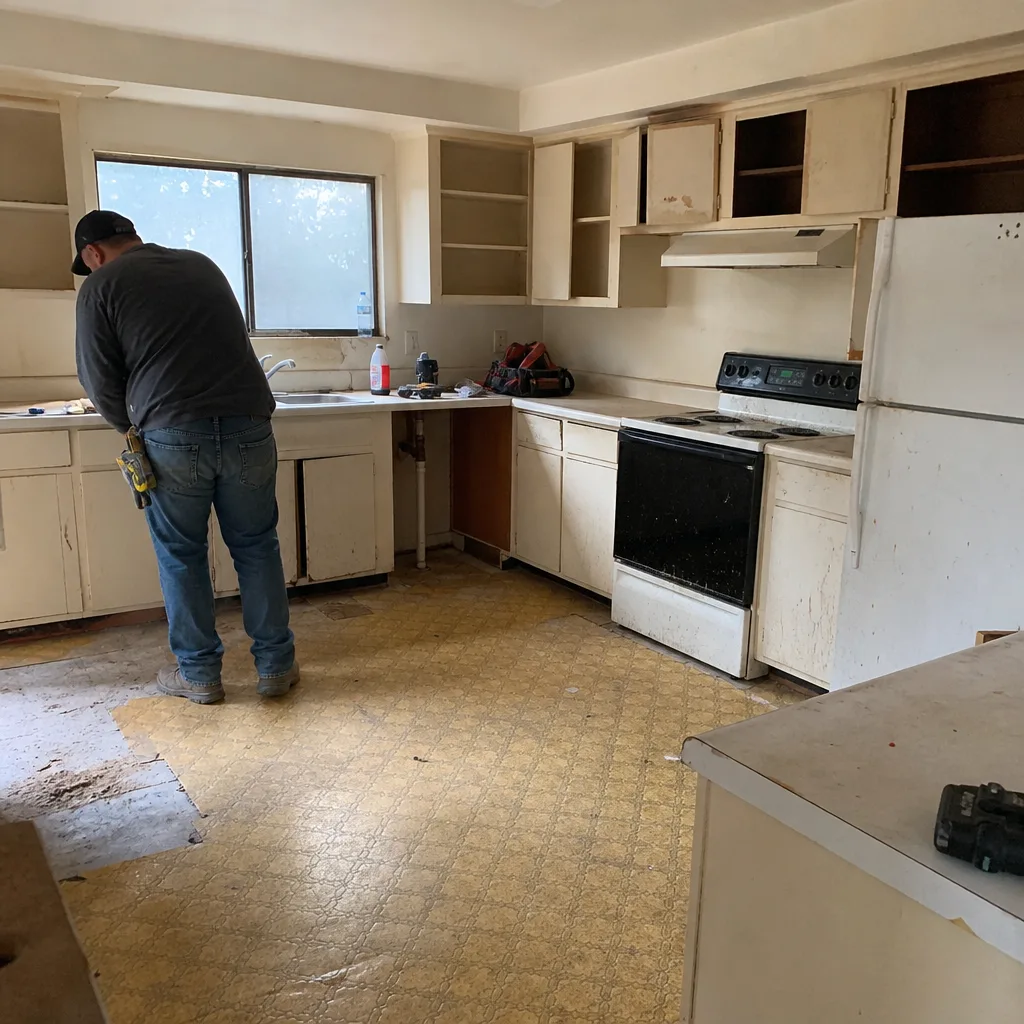 Before
 After
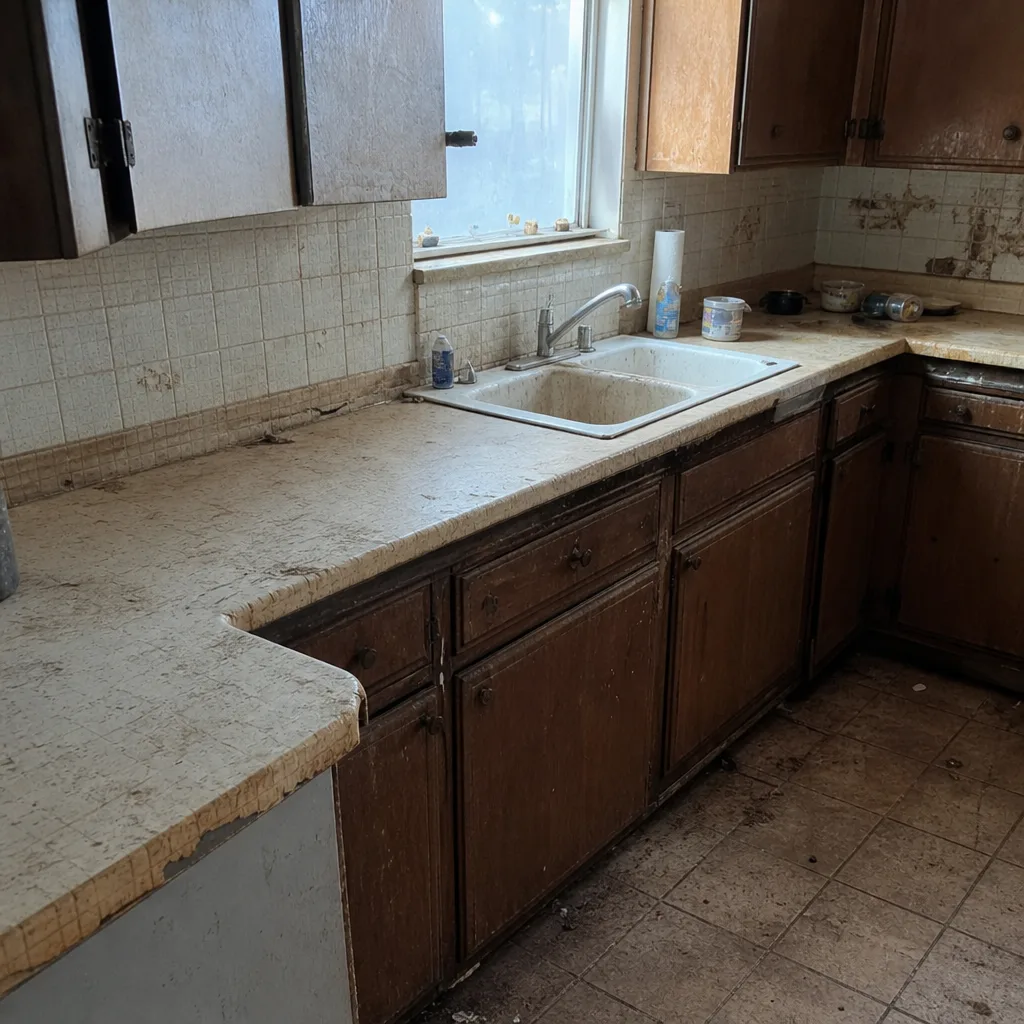 Before
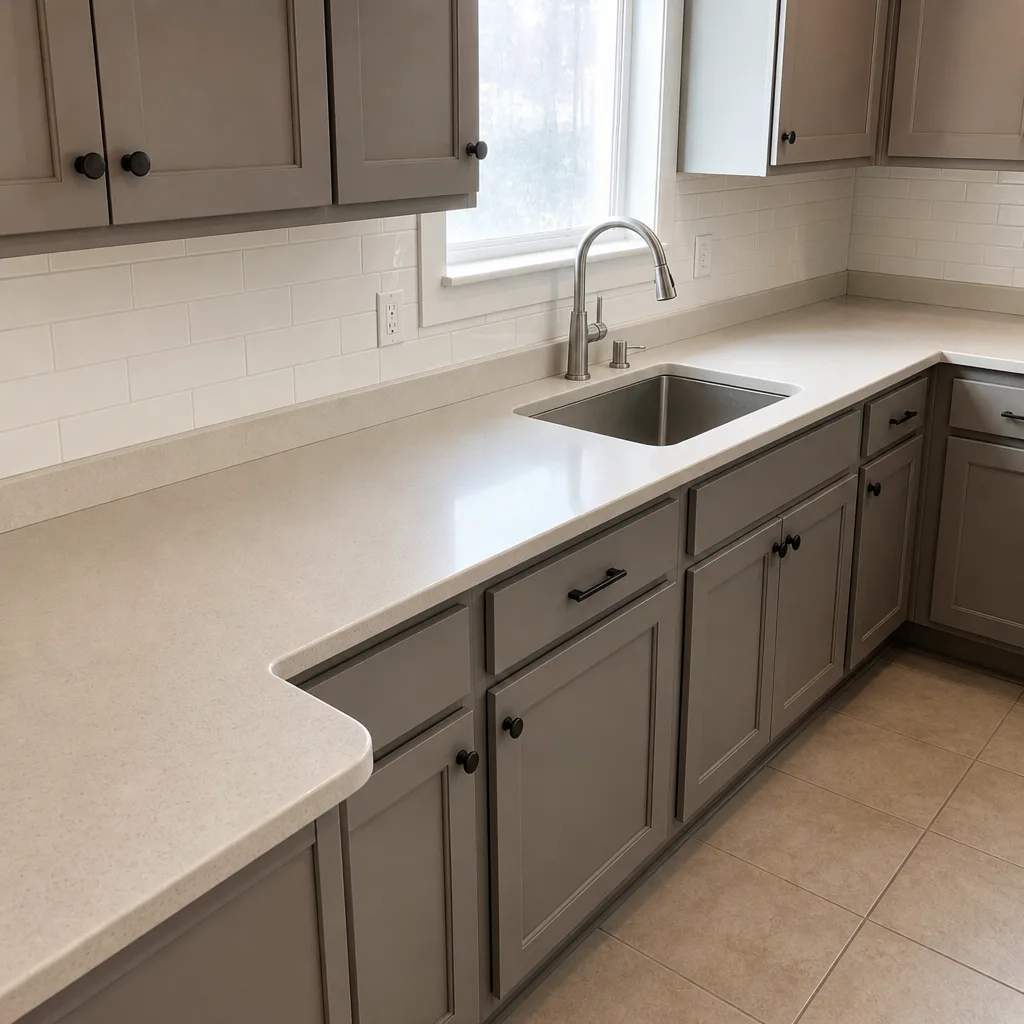 After
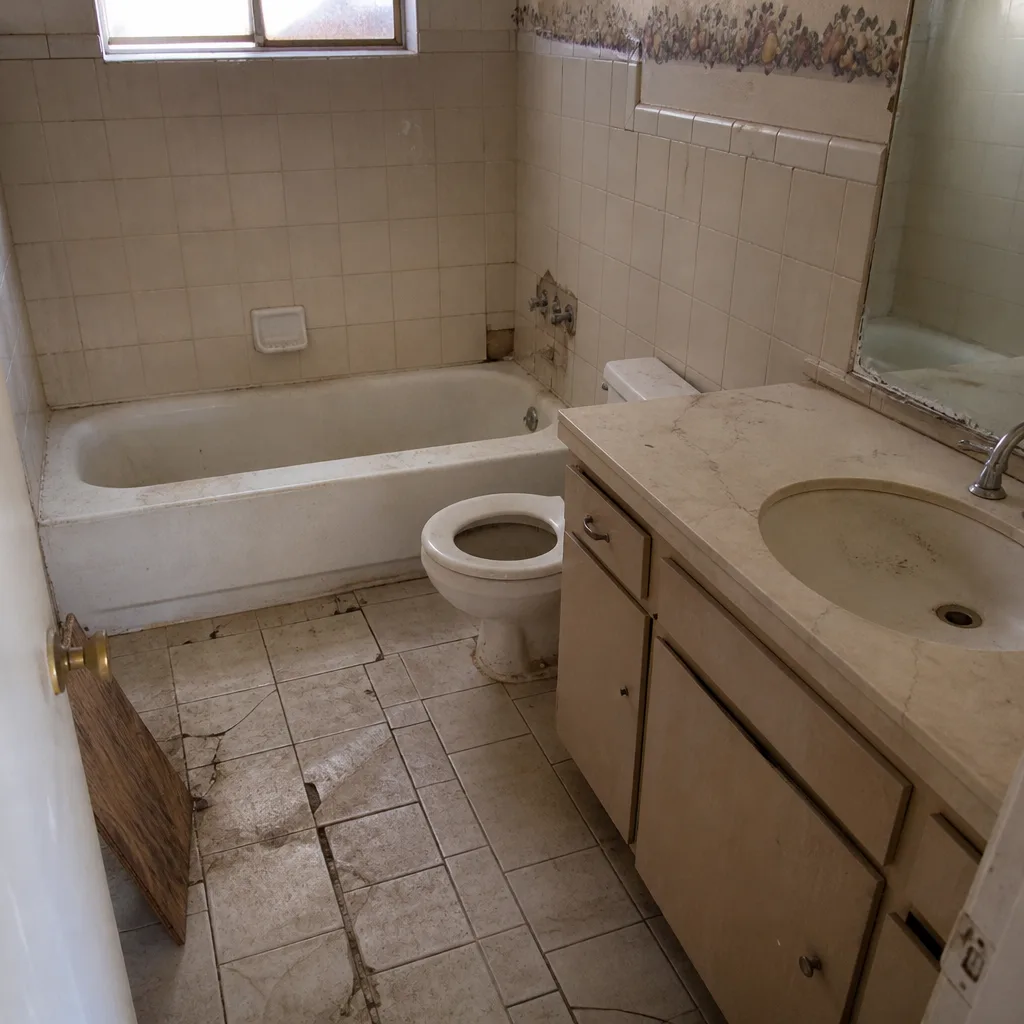 Before
 After
Frequently Asked Questions

A 30-40% deposit at contract signing is normal in Nevada; anything over 40% without a milestone schedule is outside standard practice. Call (844) 834-9740 for a written estimate with a clear payment schedule – estimates are free.
It’s a series of small, verbal changes to the plan that never get written down or priced, adding up to thousands on the final invoice. The early signature is a contractor who stops putting things in writing around week two or three; ask for a written change order on every change, no matter how small.
Caliche is a cemented calcium carbonate layer in the soil that becomes structurally unpredictable when disturbed during demo. A contractor familiar with Boulder City soil will stop, explain what they’re seeing, and adjust slab prep before the pour – if yours doesn’t mention it, ask.
A licensed subcontractor carries their own state license, insurance, and bond; an unlicensed helper does not. Ask your general contractor for a written list of every sub with license numbers, then verify them with the Nevada State Contractors Board before work begins.
You should have a signed contract listing scope, price, timeline, and payment schedule; copies of all permits pulled before demo; a written change-order process; and a written guarantee that spells out what’s covered and for how long. Missing any of these is a warning sign.
It shouldn’t, if the scope is written down and any change gets a written change order with a price attached. Penhallow gives every homeowner a written price before any work starts, so the number on day one is the number on the invoice – call (844) 834-9740 for yours.
The Bottom Line
The warning signs that cost Boulder City homeowners the most aren’t the obvious ones. They’re the quiet patterns: verbal change orders that never get written, a contractor who’s silent about caliche soil during demo, unlicensed helpers on site, and upfront payment requests that break normal practice. Catch them early, in writing, and the remodel stays in your control. Demand a written price, a written schedule, a written guarantee, and a written change order on every adjustment. If a contractor resists any of that, that’s your answer. Kitchen remodeling in Boulder City and whole-home remodels are big investments – protect them with paper. When you’re ready for a written estimate from a team that answers the phone, call Penhallow Remodeling Boulder City at (844) 834-9740 for a free estimate.
More Boulder City Remodeling Resources

If you’re planning a project and want to understand what a written price and a written guarantee look like in practice, these guides walk through the process from the contractor’s side. Start with our overview of Penhallow Remodeling Boulder City home, then explore what goes into a Boulder City bathroom remodel and a Boulder City kitchen remodel, including the local materials and products – Therma-Tru entry doors, ViewLux windows, and Barrette and Master Halco fencing – that hold up in this climate.
Written by the team at Penhallow Remodeling Boulder City.