Last updated November 18, 2026








Free written scope consultation - allowances, timeline, and change-order rules on paper before a single trade is scheduled
Construction Permits, Codes & Inspections in NV: What You Need to Know
If you close a Boulder City home sale and an inspector finds unpermitted work, Nevada disclosure law requires you to report it. That’s the part most homeowners miss. In a city where the building department is small enough that inspectors know specific streets by name, “nobody will notice” is a riskier bet than people realize. This guide walks through what actually triggers a permit in Boulder City, how the inspection queue really moves compared with Clark County’s, what happens to your insurance when unpermitted electrical work surfaces during a claim, and how to confirm a contractor pulled a permit in your name. We’ve been through this process on remodels across Boulder City, and the simplified version you’ll find on most contractor websites leaves out exactly the parts that cause trouble.
Quick Answer
In Nevada, construction permits are issued at the local level, and Boulder City runs its own Building Department rather than deferring to Clark County. Any structural change, electrical or plumbing work beyond a simple fixture swap, or addition to a home in Boulder City generally requires a permit before work starts. The permit should be pulled in the homeowner’s name with the contractor listed as the agent, and all inspections must pass before the project is considered closed.
Styles & brands we work with
- Kitchen remodeling
- Bathroom remodeling
- Home additions & ADU
- Roofing
- Windows & doors
- Driveway & pavers
- Fence
Table of Contents
- Why Boulder City’s Permit Process Differs from Clark County’s
- Which Projects in Boulder City Legally Require a Permit
- The Square Footage and Dollar Thresholds That Trigger a Permit
- How the Boulder City Inspection Queue and Timelines Work
- What Unpermitted Work Does to Your Homeowner’s Insurance
- The Role of NV Energy and the Southern Nevada Water Authority
- How to Confirm Your Contractor Actually Pulled a Permit
- What to Expect During Inspections
Why Boulder City’s Permit Process Differs from Clark County’s
Boulder City is one of the few municipalities in Southern Nevada that maintains its own building department instead of routing permits through Clark County. That’s not a technicality. It changes the pace, the paperwork, and the relationship between the inspector and the homeowner. Clark County processes permits for a metro area of more than two million people through a centralized system with dedicated counter staff and online portals. Boulder City runs a much smaller operation, where the same inspector may review a kitchen remodel on one street and a retaining wall on the next.
What that means in practice:
- Faster counter conversation, slower formal review. You can usually get a real answer from a Boulder City plans reviewer in a single visit because the department is compact. But formal plan review on a structural addition can still take longer than Clark County’s online queue because there are fewer reviewers on staff.
- Local knowledge cuts both ways. Inspectors in Boulder City know the housing stock. A home on a hillside lot near the historic district has different foundation and drainage expectations than a newer build in a subdivision to the east. That shows up in the inspection comments.
- No consolidated Clark County portal. Boulder City permits are filed and tracked through the city directly, not through the county’s online system. If your contractor files in Clark County because that’s where their account lives, the permit won’t be valid in Boulder City.
We’ve watched Boulder City homeowners assume their contractor is handling permitting because the contractor uses the phrase “we’ll take care of it.” That phrase can mean many things. It does not mean a permit was filed until you see the permit number with the city. Ask for it in writing before demo day. If you’re comparing contractors for a project and want to know how we handle this on our General Contractor in Boulder City page, we spell out where the permit responsibility sits on every job.
Which Projects in Boulder City Legally Require a Permit
The simplest rule: if the work touches structure, electrical, plumbing, or the building envelope, assume a permit is required until a Boulder City plans reviewer tells you otherwise. Small cosmetic work is treated differently. Below is how the categories typically break down. Always confirm with the Building Department directly, because the line moves based on how the work is described and whether it modifies a load path, a circuit, or a plumbing line.
Work that generally requires a permit
- Any wall removal or new wall, including a non-load-bearing wall if it changes egress or affects a structural span
- Adding or relocating electrical outlets, circuits, or panels
- New plumbing lines, relocated fixtures beyond a like-for-like swap, or gas line changes
- Kitchen and bathroom remodels that move or replace plumbing or wiring behind the wall
- Room additions, garage conversions, and any project that adds heated square footage
- Decks, patios with roofs, and shade structures above a certain height or attached to the house
- Re-roofing when the sheathing or underlayment is being replaced
- Water heater replacement
- Pools and spas
Work that usually does not require a permit
- Painting, wallpaper, and interior finish work
- Replacing a cabinet or countertop in the same footprint with no electrical or plumbing change
- Swapping a light fixture or a faucet on an existing line
- Flooring replacement over an existing subfloor
- Landscaping without retaining walls or structures
Where homeowners get burned is at the edges. Changing a bathroom vanity is cosmetic. Moving the sink six inches to the left is a plumbing permit. That distinction matters at resale, when a buyer’s inspector notes the change and asks for documentation. We build this distinction into every Bathroom Remodeling in Boulder City plan before work starts, so there’s never a question later about which category a change fell into.
The Square Footage and Dollar Thresholds That Trigger a Permit
Nevada doesn’t set a single statewide dollar threshold for residential permits. Cities do. Boulder City’s code uses a mix of square footage and scope-based rules rather than a clean number in most cases, but the practical thresholds that come up again and again on remodels look like this:
- Structural additions: any addition that increases the footprint of the house requires a permit and full plan review, regardless of square footage
- Detached structures: accessory structures over roughly 200 square feet generally trigger a permit; below that, rules depend on whether the structure has power or plumbing
- Decks: attached decks and any deck over a certain height above grade require plans; freestanding ground-level platforms are often exempt
- Fences: height limits are enforced by the city, and fences over the limit require approval
- Electrical service upgrades: any change to the meter panel or service capacity requires a permit and utility coordination (more on that below)
The dollar threshold question comes up most on remodeling. A $6,000 tile and paint refresh in a bathroom is usually cosmetic. A $32,000 bathroom remodel that reconfigures a shower and moves a drain is not. The cost is not what triggers a permit; the scope is. But the cost is often the homeowner’s first clue that the scope has crossed into permitting territory. If a contractor tells you a project in that range “doesn’t need a permit,” ask them to put that in writing. That document will matter if the work is ever discovered at resale.
How the Boulder City Inspection Queue and Timelines Work
Here’s the part competitors tend to gloss over: Boulder City’s permit turnaround is different from Clark County’s on almost every project type. The department is smaller, so the queue moves on a different rhythm. Based on what we’ve seen in 2025 and early 2026:
- Over-the-counter permits (simple electrical, plumbing, water heaters) can often be issued the same day if you walk in with a complete application. Missing paperwork sends you to the back of the line.
- Minor remodeling permits typically clear plan review in one to three weeks. That’s faster than Clark County on simple work because there’s less volume ahead of you.
- Structural additions and second-story work typically take four to eight weeks for plan review, sometimes longer if the project touches drainage, grading, or fire separation.
- Inspection scheduling runs on a route-based system, so a small project may wait several days between phases depending on where the inspector’s other jobs sit on the calendar.
What we tell homeowners to plan for: budget the permit window before demo, not after. Nothing derails a schedule faster than pulling walls out and finding out the permit is still in the reviewer’s inbox. On an addition, a realistic build window adds the plan review time to the construction time. If a contractor promises a fast-track that skips review, ask how they plan to pass final inspection without it.
What Unpermitted Work Does to Your Homeowner’s Insurance
This is the consequence homeowners underestimate most. Unpermitted structural or electrical work isn’t just a resale problem. It’s an insurance problem, and it can void coverage on the exact claim you’d need the policy for.
Here’s how it plays out in practice. Suppose unpermitted electrical work in a kitchen addition was done two owners ago and the wire fails, starting a fire. When the adjuster investigates, the carrier may find that the circuit was never inspected, meaning it never got the local sign-off that verifies it was installed to code. The insurer can deny the claim on the basis of material misrepresentation or a code violation that was never disclosed. Even when the claim is paid, you can be left covering the code-upgrade work yourself.
- Disclosure duty in Nevada requires sellers to report known unpermitted work. That disclosure kills deals or forces price reductions.
- Claim denial risk is real when the causation traces to unpermitted work.
- Post-claim remediation usually requires bringing the whole system up to current code, not just the failed component.
- Mortgage lenders can demand documentation of permitted work when you refinance or sell.
The cheapest fix is always the one that happens before demo. A permitted, inspected job leaves a paper trail that protects you at claim time, at resale, and at refinance.
The Role of NV Energy and the Southern Nevada Water Authority
Some permits in Boulder City trigger a utility review that homeowners don’t expect. The two most common are electric service changes and anything that affects water service or drainage on the property.
NV Energy service territory
Boulder City sits in NV Energy’s service territory. Any permit that changes the electrical service entrance, adds significant load (EV charger, new HVAC with electric heat, an addition with its own panel), or adds a new meter requires coordination with NV Energy in addition to the city permit. The utility review is separate from the city’s plan review. Both have to clear before power is energized on the new work. We’ve seen this add two to four weeks to a project timeline when the homeowner assumes the electrician is handling it alone.
Southern Nevada Water Authority
For Boulder City, water is affected most by new service lines, irrigation changes over a certain size, and pools. The Southern Nevada Water Authority sets regional water-use rules that the city enforces during plan review. Pool permits and irrigation retrofits need to show compliance with those rules before the city issues. Landscape changes that convert turf to desert landscaping on a large scale sometimes trigger a review you weren’t expecting.
If your project touches either electric service capacity or water service size, ask the plans reviewer which utility reviews will be required. Then call the utility yourself to confirm their timeline. That call takes ten minutes and saves weeks.
How to Confirm Your Contractor Actually Pulled a Permit
The single question that protects you most: was the permit pulled in your name with the contractor listed as the authorized agent, or was it pulled in the contractor’s name? The difference matters because a permit in your name ties the responsibility to the property owner of record. It also means you can look it up independently and confirm it’s active before work starts.
- Ask for the permit number in writing before any work starts. Not a promise. A number.
- Look up the permit directly with the Boulder City Building Department. Confirm the address, the scope description, and that the permit is “active” rather than “applied for.”
- Check the listed scope. Does the permit cover the actual work being done, or does it describe a smaller scope that the current project would be violating?
- Confirm the contractor is named correctly. The company name on the permit should match the company you signed with.
- Confirm inspections are scheduled. A permit that gets pulled and never inspected is not closed. Ask for the inspection schedule as part of the project plan.
- Keep every permit and inspection record. When you sell, you’ll want them.
If a contractor hesitates when you ask for the permit number, that’s the answer. Either they didn’t pull it, or they haven’t started the process. Either way, you’re exposed.
What to Expect During Inspections
Boulder City inspections follow the standard phase sequence: rough-in, then cover, then final. The rough-in inspection happens after framing, electrical, and plumbing are in but before drywall goes up. Cover inspection happens after drywall and before finishes. Final inspection happens at the end and closes the permit.
Common reasons homeowners fail an inspection on the first pass:
- Missing or unclear electrical labeling on the panel
- Framing that doesn’t match the approved plans, even when it’s stronger
- Improper flashing at walls and openings
- Handrail and stair geometry that doesn’t meet code
- Smoke and CO detector placement
- Drainage slope that fails the water test
Every one of these is fixable and re-inspectable. The re-inspection fee is small compared with a failed final on the last day of a project. If you’re remodeling a kitchen and want a realistic picture of what the inspection schedule looks like on that type of job, our Kitchen Remodeling in Boulder City page walks through the phase plan. The boulder-city building department schedule is predictable if the contractor builds the phases around it.
Common Mistakes to Avoid
- Trusting a verbal “no permit needed” on a change that clearly touches structure or electrical. Get the answer in writing from the city, not the contractor. The cost of a permit is small compared with the resale and insurance exposure.
- Pulling the permit in the contractor’s name instead of yours with the contractor as agent. A permit in the contractor’s name can be harder to trace back to your property, and it complicates the record you’ll need at resale.
- Assuming Boulder City operates through Clark County’s permit system. It doesn’t. If your contractor files through the county portal because that’s their habit, the permit won’t be valid in Boulder City.
- Starting demo before the permit is issued. In a small department, an inspector can spot a dumpster and a gutted kitchen from the street long before the permit exists. Starting without one can force a stop-work order and cost weeks.
- Overlooking the NV Energy service upgrade early enough in the process. A panel upgrade looks simple on paper until the utility review adds weeks. Call the utility before finalizing the schedule.
- Skipping the final inspection. A permit that never closes leaves an open file on the property that a buyer’s agent will find during due diligence. Always close the permit.
- Assuming a big-box handyman or a general laborer can handle permitting. Permits require a licensed contractor as the agent of record. If the person doing the work isn’t licensed, the permit can’t be issued in their name.
See the difference
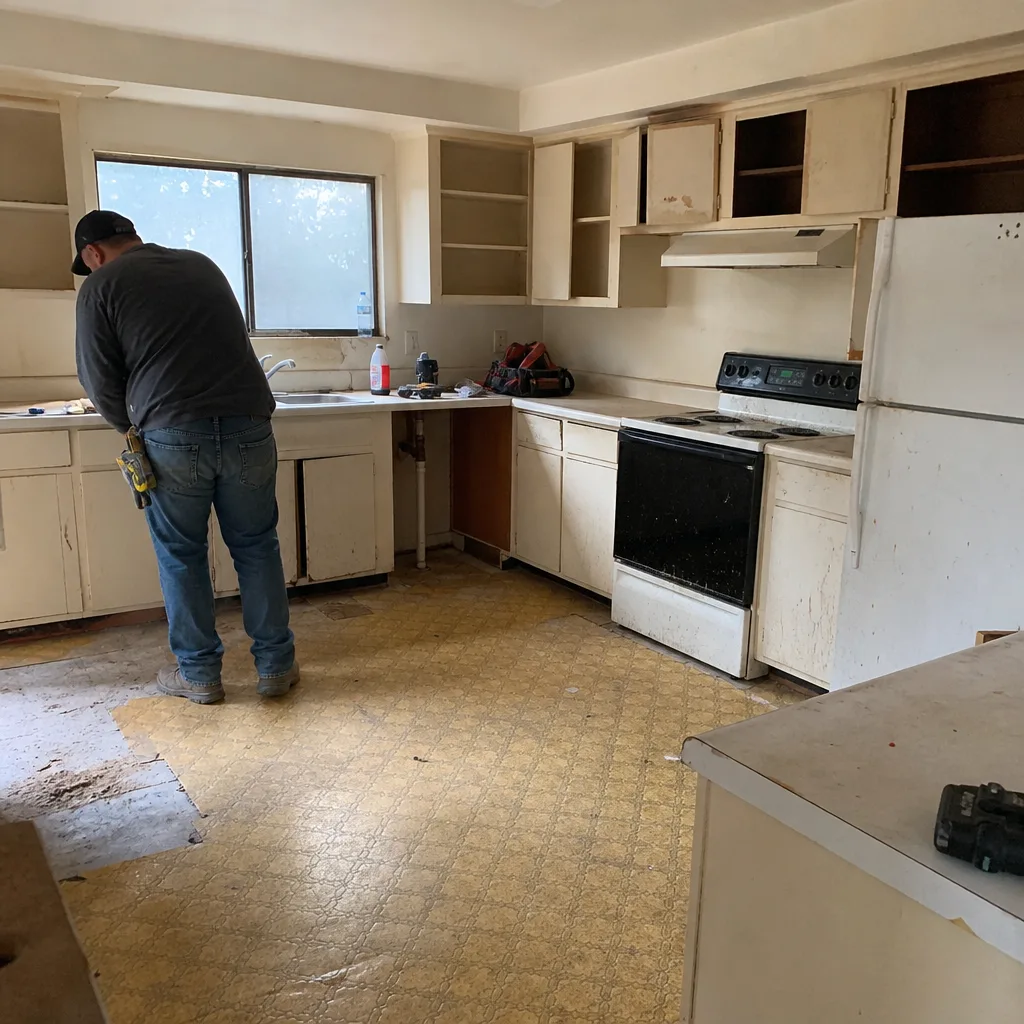 Before
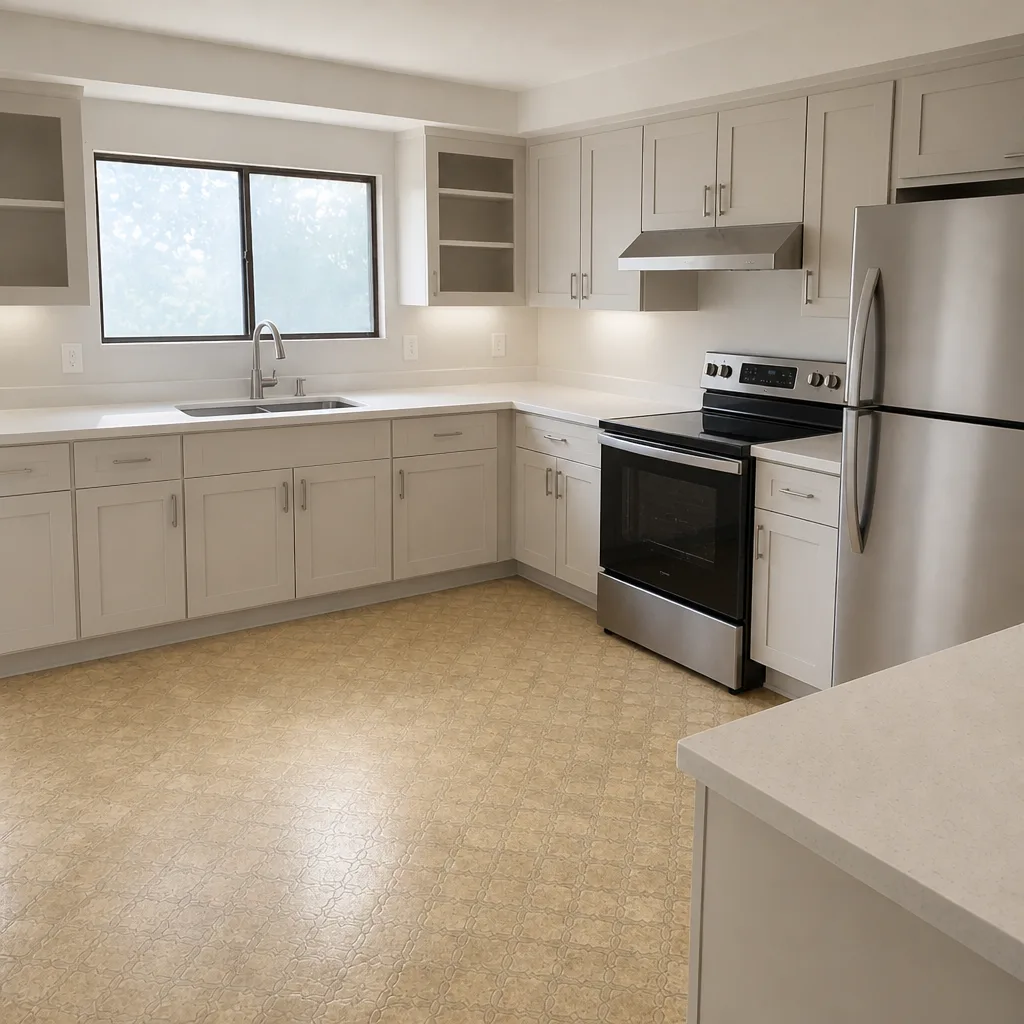 After
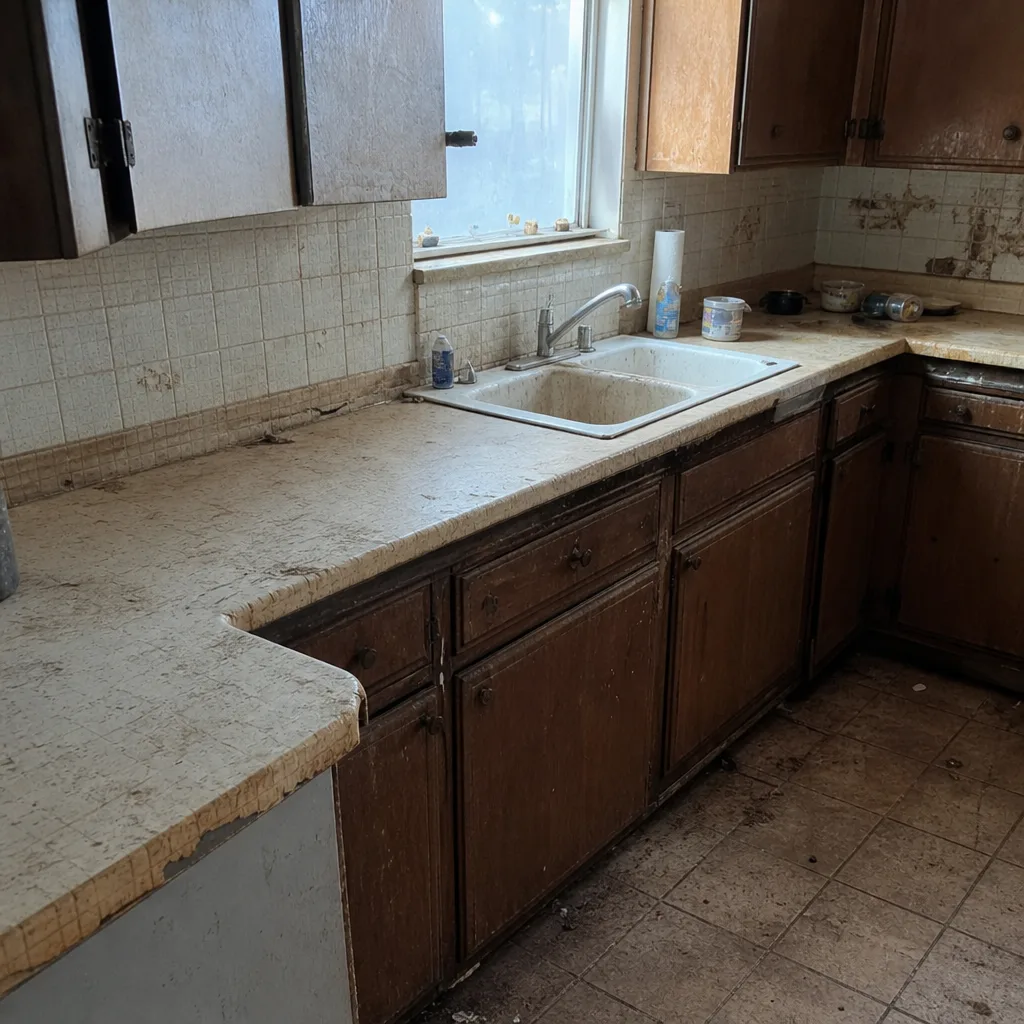 Before
 After
 Before
 After
When to Call a Professional
Call a licensed contractor when the scope touches anything structural, electrical, or plumbing. That’s true even for work that looks small: swapping a bathroom vanity is a weekend job for a handy homeowner, but moving the drain line to shift the vanity six inches requires a permit and a licensed plumber. Same with removing a wall: whether it bears a load is not always visible, and drilling into a wire that wasn’t on the plan is a fire hazard. Electrical work in particular deserves a trained professional; panel work and new circuits carry real risk if the wiring isn’t sized and grounded correctly.
Penhallow Remodeling Boulder City offers free estimates in Boulder City, and we’ll tell you honestly which parts of a project need a permit and which don’t before you sign anything. We put that answer in writing alongside the price. If you’re planning a remodel and want a second opinion on the permit question, that’s what a free estimate is for. Our Penhallow Remodeling Boulder City home page has the full picture of how we work.
Frequently Asked Questions

If the remodel touches electrical, plumbing, or any wall, yes. A cosmetic refresh (paint, new cabinet doors, countertop swap in the same footprint) usually does not require a permit. A full kitchen remodel that moves outlets, replaces a range hood duct, or reconfigures the layout does. The dividing line is scope, not cost. Call (844) 834-9740 for a free estimate and we’ll tell you which category your project lands in before you commit.
Over-the-counter permits for simple electrical or plumbing work can be issued the same day. Standard remodeling permits typically clear plan review in one to three weeks. Structural additions and second-story work usually run four to eight weeks. The city’s department is smaller than Clark County’s, which can mean faster counter answers but slower formal review on complex projects. Call our team for a realistic timeline on your specific scope.
Yes if the work involves plumbing or electrical changes, which most full remodels do. Moving a shower drain, relocating a sink, or adding a circuit for a heated floor all trigger a permit. A like-for-like faucet replacement typically does not. The safest path is to tell the plans reviewer exactly what’s changing and get their answer in writing, then include that permit in the project plan before demo begins.
Nevada disclosure law requires you to report known unpermitted work on the seller’s disclosure form. In a city the size of Boulder City, that disclosure reaches the buyer’s inspector quickly, and the deal can stall or force a price reduction. Unpermitted work also complicates refinancing, since lenders want documentation of permitted improvements on the property. Retroactive permitting is possible but expensive. Call (844) 834-9740 for a free estimate on bringing the work up to code.
The permit should be pulled in your name with the contractor listed as the authorized agent. That’s the standard structure and it protects you. If a contractor offers to pull the permit in their own company name instead, ask why. In most cases it isn’t a technicality; it’s a sign the paperwork trail isn’t being handled in your interest.
Accessory structures over roughly 200 square feet generally require a permit. Below that, the answer depends on whether the structure has power, plumbing, or sits on a permanent foundation. For anything with electrical service or water, assume a permit is required. The quickest path is to call the Boulder City Building Department directly with the dimensions and intended use of the structure.
The Bottom Line
Nevada’s permit rules look uniform on paper, but Boulder City runs its own process and the differences matter. Permits are issued locally, not through Clark County. Timelines are different, and utility review through NV Energy and the Southern Nevada Water Authority can add weeks to a project that looked simple. The permit should always be pulled in your name with the contractor as agent, and the final inspection must close before the job is truly done. The real cost of unpermitted work isn’t the permit fee; it’s the resale problem, the insurance denial, and the retrofit that happens on someone else’s schedule. This is the part of construction permitting Boulder City homeowners ask about most, and it’s the part worth getting right before demo day.
If you’re planning a remodel and want to know exactly which permits your project needs before you sign a contract, call Penhallow Remodeling Boulder City at (844) 834-9740 for a free estimate. We’ll give you the price in writing, the permit plan in writing, and the guarantee in writing before any work starts.
Written by the team at Penhallow Remodeling Boulder City.